
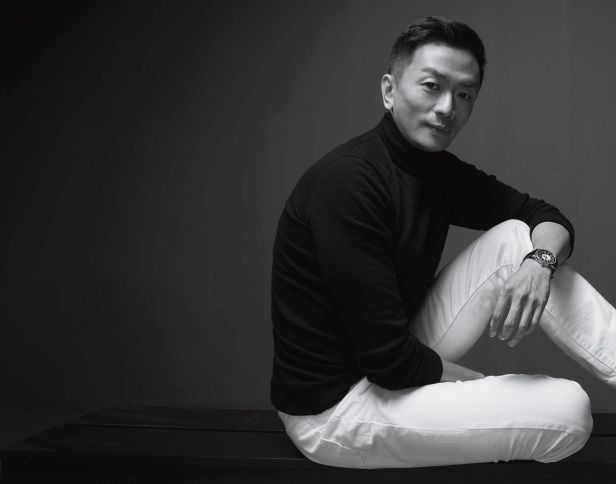
Meet Larry, a seasoned brand strategist who is channeling his experience from working with global brands into helping mid-career individuals develop their iconic personal brand. With three decades of experience in China—first as a Creative Director in multinational advertising agencies and later as the founder of his own brand consultancy—Larry has worked across a wide spectrum of industries.
He has helped some of the world’s most iconic companies, including Apple and Coca-Cola, navigate the competitive landscape, unlock new market opportunities, and create resonant brand experiences in the world’s second-largest economy. Today, Larry helps professionals in midlife uncover new career opportunities and reinvent their careers through his Brand You personal branding programme.
You’ve worked with global giants like Apple and Coca-Cola in top agencies. What sparked the shift from big brand campaigns to helping individuals build personal brands?
I spent almost 30 years in China, where I worked with many global brands. Through my work with these major brands, I realised how competitive the market was and how grounded their branding models and systems were.
When I returned to Singapore in October last year to become a caregiver for my parents, I began attending courses such as coaching courses by the International Coaching Federation and the Advanced Certificate in Training and Assessment (ACLP) qualification.
Many of the people I met—solopreneurs, SME owners, and executives—approached me for branding advice once they learnt about my background. This made me reflect on my own situation as I, too, needed to rebuild my personal brand after three decades abroad. It became clear that there was growing demand for personal branding, particularly among midlife professionals going through career transitions.
After a few months of research, I created the Brand You personal branding programme, mainly targeted at midlife individuals seeking greater visibility, career progression, or a fresh start as consultants, coaches, or mentors.
Tell us more about your 4D Brand Tree model. How did you develop it, and why is it such a powerful tool for professionals?
I developed the 4D Brand Tree model by consolidating the successes and lessons I had observed across multiple MNCs. My approach focuses on branding from the inside out, rather than merely surface-level identity.
Unlike the common call to “reinvent” oneself at midlife, I believe in reorganising. Most professionals with 20–30 years of experience already have an abundance of skills and knowledge. The challenge is to sort through these, retain what is still relevant, and let go of what no longer serves them. I use the metaphor of a traveller carrying an overstuffed suitcase—you need to unpack, reorganise, and decide what to take forward.
The model has four stages: Discover (finding unique strengths and niche), Define (strategising brand identity and positioning), Develop (creating and executing the brand action plan), and Defend (conducting a brand audit to evaluate result). This structured approach ensures professionals not only build a personal brand and execute it, but also maintain it through regular reflection and adjustment.
Many feel that self-promotion is boastful or vain, and they are uncomfortable with being seen as “selling themselves”. This mindset is especially common in Asian cultures, where humility is valued. Here, my coaching background helps—I guide them to see that personal branding is about authenticity, not vanity.
Unlike most personal branding approaches, your BRAND YOU involves executing and auditing a real brand plan. What surprising outcomes have clients discovered during this stage?
At the self-discovery stage, many executives—even C-suite leaders with decades of experience—struggle to articulate their strengths. They are quick to identify weaknesses, but hesitant to acknowledge what they excel at. To address this, I need them to go through the Gallup StrengthsFinder 34 assessment, which reveals strengths they may have overlooked.
During the brand audit stage, I apply different methods to help clients seek brand clarity, including an external survey from their contacts. The feedback is often eye-opening: people around them notice talents or qualities they themselves have never highlighted. This external validation not only boosts their confidence but also deepens authenticity.
Personal branding isn’t just about chasing likes or followers—it’s about showcasing the real person behind the job title and building genuine connections.
What are some of the common mindset blocks people face when it comes to branding themselves, and how do you help them overcome these?
There are two main blocks, particularly among midlife professionals. The first is the belief that it is “too late” to start. With long careers and established titles, many also feel they no longer need personal branding. But I remind them that branding is about aligning with the current market and future opportunities, not just past achievements. And no one is too late to embark on his or her journey of personal branding.
The second is cultural. Many feel that self-promotion is boastful or vain, and they are uncomfortable with being seen as “selling themselves”. This mindset is especially common in Asian cultures, where humility is valued. Here, my coaching background helps—I guide them to see that personal branding is about authenticity, not vanity. It’s about letting people see who you truly are, beyond your CV.
What do you believe is the biggest misconception about what a brand truly is?
Too often, branding is reduced to visuals—logos, colours, or taglines. These are merely the end product of a much deeper process: brand strategy. Similarly, in personal branding, people think a polished photo or a clever story is enough. In reality, these should be the final expression of a carefully thought-out strategy that aligns one’s identity, values, and goals. Without that foundation, visual identity lacks meaning.
In your view, what makes a good entrepreneur?
Entrepreneurial success doesn’t just depend on academic qualifications or even technical expertise. A good entrepreneur is someone with the courage to believe in their vision, dream big, and take a leap of faith despite the uncertainty.
Resilience and the ability to face challenges are crucial. When I started my own agency in China at 31, I had no guarantees, but I held onto the belief that if I persevered, something good would come of it. That belief carried me through.
What’s your vision for Singapore in the next five years?
Singapore has always excelled at branding itself internationally. While working on Singapore Tourism Board and Singapore Airlines campaigns in China, I saw how deliberate our rebranding efforts are—every few years, new initiatives like F1 or Sentosa revamps refresh the nation’s image.
Looking ahead, I believe Singapore can extend this branding expertise to its people, especially midlife professionals. We have a wealth of experienced individuals whose knowledge remains invaluable, even if they’re no longer in traditional roles. Empowering them with strong personal branding will not only support their career transitions but also add depth to Singapore’s human capital.
If you could have a superpower for one day, what would it be and why?
I would choose the power to pause battles—not only between nations but also between people and within ourselves. Too often, we are caught in constant conflict, whether external or internal. A pause would allow us to reflect, reconsider, and find clarity before acting. With reflection, we might realise there are better paths forward than confrontation. And we might remember who we once were, before the war began.
Connect with Larry: LinkedIn.

