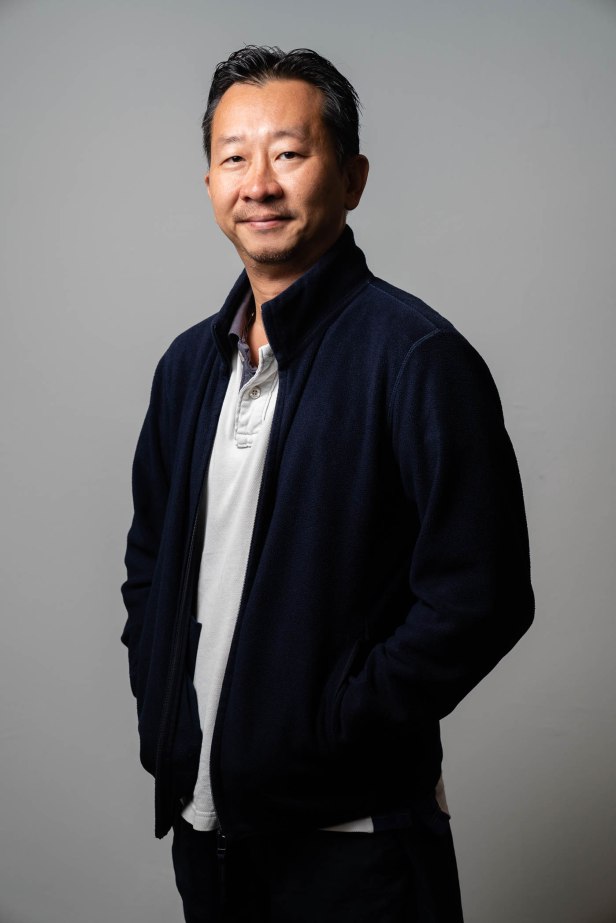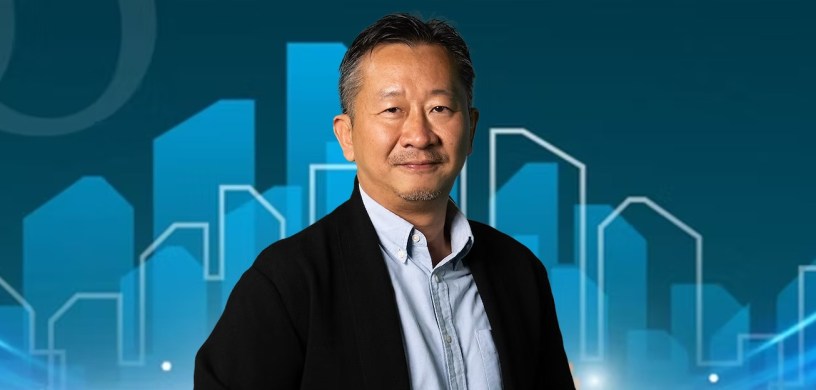
Meet Johnny, the founder of Ashoka Tree Associates Pte Ltd and Agarwood Corporate Services Pte Ltd, who helps entrepreneurs and companies take control of their financial performance through clarity, compliance, and sustainable growth. In today’s fast-paced business world, many excel in sales and branding but neglect one crucial pillar—understanding their financials. Johnny believes true success lies not just in revenue generation but in mastering financial literacy and strategy.
His services go beyond bookkeeping, offering tailored solutions in financial management reporting, budgeting, tax optimisation, and business advisory. Despite the challenges of the pandemic and initial scepticism, Johnny successfully strategised and led a client to achieve an IPO on the SGX Catalist Board in August 2025—proof of his deep commitment and expertise in navigating complex financial landscapes.
What inspired you to establish a boutique business advisory company and a corporate advisory firm, and how do you envision it differentiating from traditional accounting and corporate service providers?
I come with over 20 years of corporate experience across multiple domains—from the Big 4 audit firms to corporate banking, multinationals, and CFO of SMEs and a public listed company . I spent some years stationed in China and more than a decade in financial leadership roles. This breadth of exposure gave me the confidence to bring forward corporate-level expertise into a boutique practice.
At the same time, giving back and creating social impact has always been a core part of my life. I’ve dedicated significant time to supporting charities and non-profit organisations, often assisting them with financial management, accounting, and compliance.
Equally committed, I also spare no effort to serving SMEs through my firms. My goal has never been to “scale big” but rather to stay lean and focused, bridging the gap for businesses that may be underserved by the large firms who tend to prioritise multinationals. By combining professional depth with a human, socially conscious approach, I believe our practice offers something more personal, holistic and accessible.
Having led a client to an IPO on the SGX Catalist board this month, what were the biggest challenges in the process, and what lessons can other SMEs learn from your experience?
Naturally, there were the expected hurdles—securing regulatory approval, streamlining workflow processes, strengthening internal controls, implementing robust financial management practices, and strategising and executing a compelling business growth narrative to showcase the company’s value proposition. The capital markets element also required careful optimisation of valuation: striking a balance between raising sufficient funds for growth while ensuring the pricing remained meaningful to investors.
The greatest challenge, however, was ensuring leadership alignment. Guiding the company’s management team and assembling a professional advisory group—including the auditor, lawyer, and sponsor—required persistence and resilience. Proper planning and preparation are crucial for an IPO.
While an IPO offers many benefits and opportunities, it also demands significant time, costs, and resources. It’s essential to have an experienced advisor who acts in the company’s best interest and can walk this journey together to avoid delays or potential failure. An IPO should not be viewed as the final destination, but rather the beginning of the next stage of growth.
Going public requires not just financial strength but operational discipline and governance readiness.
What are the biggest gaps in financial management for SMEs, and how does your firm address them?
Many SMEs are led by highly capable entrepreneurs who excel at their craft, but they often lack exposure to best practices in financial management. This can manifest in insufficient financial planning, inadequate reporting structures, and limited financial foresight.
Some focus almost entirely on sales, overlooking the importance of cash flow, cost management, and long-term sustainability. This is where we step in. Having seen businesses from both the corporate and investor sides, I bring not only technical knowledge but also a pragmatic, big-picture perspective.
We help SMEs set up robust reporting structures, strengthen cash flow management, and align their finances with growth strategies. Many of our SMEs are strong businesses with the potential to scale to greater heights and increase their enterprise value. With the right support, they can be polished into gems in their own right.
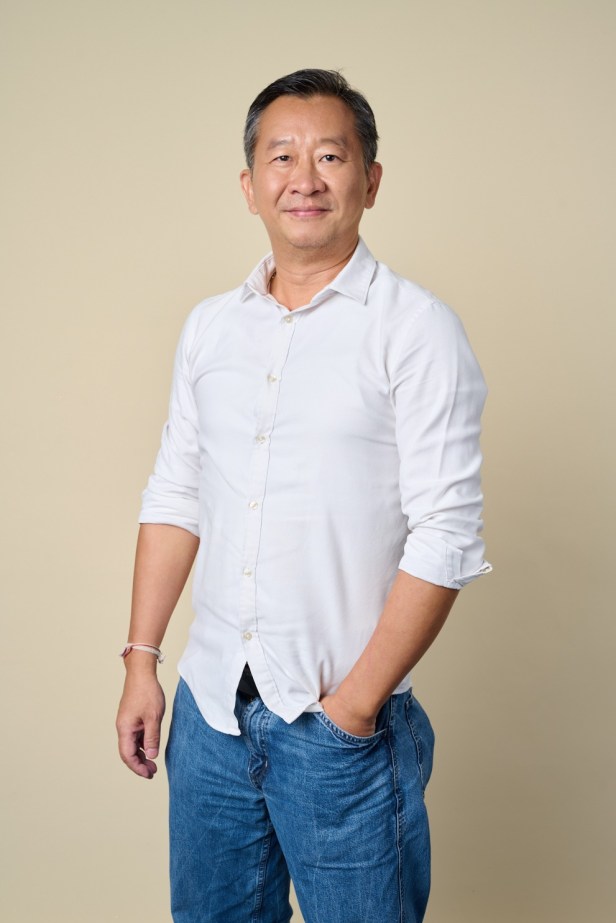
When you help a small business stabilise and grow, you’re not just improving a balance sheet—you’re strengthening a family, a community, and in some cases, a whole supply chain. To me, that impact is far more meaningful than contributing to another large corporate milestone.
What trends are you seeing in the SME landscape, particularly post-COVID?
From the government’s perspective, support remains strong, whether in capability development, innovation, or internationalisation. The policy direction is clear: equip SMEs to transform, innovate, and scale beyond Singapore. Grants and incentives continue to be available to encourage this.
Another emerging trend in the SME landscape is the adoption of technology and digital solutions such as accounting, POS, HR, CRM, and inventory management systems to improve productivity and mobility in the post-Covid era, often leveraging PSG grants.
We are also an approved PSG vendor for Xero, one of the most popular and widely adopted cloud-based accounting solutions. With pre-approved status under PSG, businesses can enjoy up to 50% grant support when implementing Xero to streamline their operations.
Many start-ups focus heavily on revenue but neglect financial reporting and structure. What advice would you give founders on building sustainable systems early?
It’s natural for start-ups to prioritise sales in the early stage—cash flow is critical to survival. However, once revenue begins to grow, proper financial management must not be overlooked.
Profitability is ultimately more important than turnover, and that requires discipline in cost control, reporting and forecasting. Founders should establish basic but reliable reporting structures early on. They should also learn to view finance not just as compliance, but as a tool for strategy—helping them secure funding, optimise operations and prepare for scaling.
Cash flow management, in particular, is critical. A profitable business can still fail if it mismanages cash. Sustainable growth comes from balancing ambition with sound financial discipline.
You believe the true impact lies in helping small businesses and start-ups. Why do you find this more fulfilling than corporate achievements?
SMEs form the backbone of Singapore’s economy, employing large numbers of people and sustaining families through stable jobs. Unlike multinationals, where achievements often benefit shareholders far away, supporting SMEs means seeing direct, tangible impact on local livelihoods.
When you help a small business stabilise and grow, you’re not just improving a balance sheet—you’re strengthening a family, a community, and in some cases, a whole supply chain. To me, that impact is far more meaningful than contributing to another large corporate milestone.
What’s your vision for Singapore in the next five years?
Singapore already has many advantages—world-class infrastructure, a strong currency, stable governance, friendly tax regime and a pro-business environment. I believe we must continue to support our SME ecosystem and revitalise our capital markets. Recently, we’ve seen MAS-led initiatives aimed at boosting the development of Singapore’s stock market, including the establishment of the S$5 billion Equity Market Development Fund (EMDF) to inject liquidity.
These efforts have strengthened our conviction to advise clients to pursue IPOs in Singapore, where we are based. With the right measures, Singapore can position itself as Asia’s hub for start-ups, innovation, and financial growth.
We should encourage SMEs not just to survive but to scale globally, supported by accessible funding, strong governance, and an innovative mindset. If we nurture this ecosystem, Singapore will remain not only competitive but also a beacon of entrepreneurship and financial strength in the region.
If you could have a superpower for one day, what would it be and why?
I would choose the power to unite like-minded people and resources into a virtuous upward cycle of goodwill. With such influence, we could create collaborative solutions to reduce suffering, foster happiness and strengthen community spirit. True progress isn’t just about financial gains but about uplifting society as a whole.
Connect with Johnny: AgarWood, Instagram and LinkedIn.
Johnny is a member of Rainmaker, a revolutionary movement that rallies like-minded people together based on the values of Love, Authenticity, Respect, Kindness and Youthfulness (LARKY).