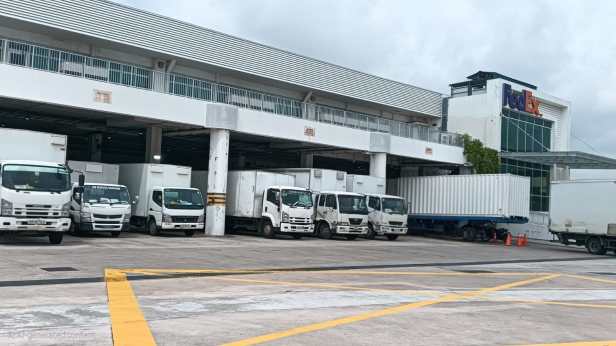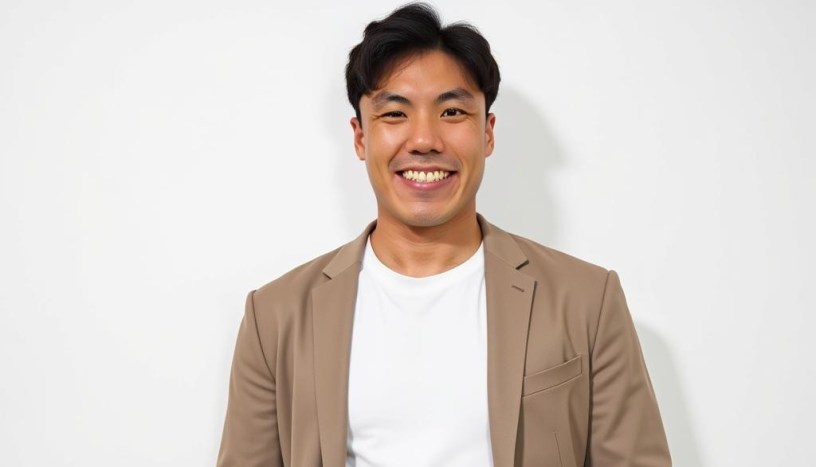
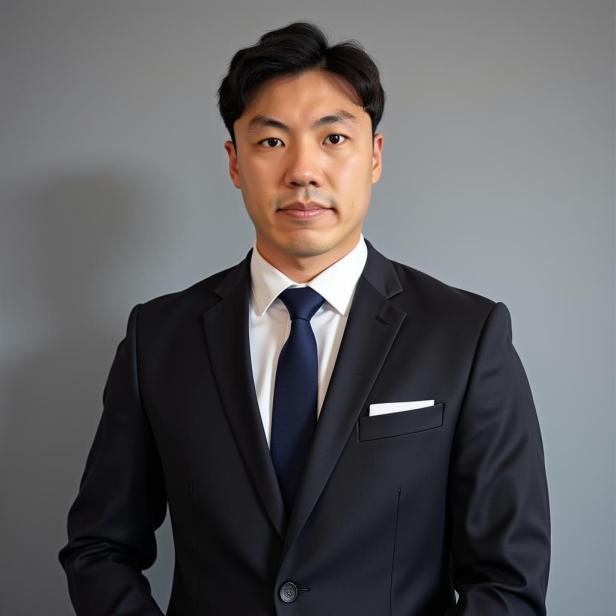
Meet Jun Wei, the founder of Farrel Transport & Trading, a Singapore-based logistics firm trusted by major names across healthcare, fashion and e-commerce. Cutting his teeth on the ground and earning his stripes project by project, he built Farrel on three non-negotiables—integrity, clear communication and reliability.
Beyond logistics, Jun Wei and his wife, Yvonne, co-founded Farrel Distribution, bringing curated consumer products to market through smart, creator-led campaigns. Practical, adaptable and relentlessly transparent, he bridges B2B rigour with B2C agility—proof that great operations are ultimately about trust, teamwork and doing the simple things exceptionally well.
What inspired you to start Farrel Transport and Trading, and how did you first break into the logistics industry?
To be honest, I got into this industry purely by a stroke of luck. I had no exposure to logistics at all, and I don’t think many people grow up knowing much about it. Even in my generation, people saw logistics as an unglamorous job.
At the time, I was studying finance at university, so this line of work was completely unrelated to my background. I had a relative in the industry, and during the holidays, I would sometimes help out, learning bits and pieces along the way.
Not long after I graduated, he told me he wanted to retire and asked if I’d like to try running a new project. I decided to give it a shot, and when I managed to survive the initial stages, I realised I could do this. From the start, it was unfamiliar territory, but my relative took me under his wing, teaching me about the industry and taking me everywhere so I could learn from the ground up.
He was the middleman for projects and passed them on to me to handle. From there, I learned about vehicles, operations, and the business as a whole—starting from day one on the ground until today, 10 years later. It wasn’t so much inspiration as it was luck and meeting the right people along the way who brought me to where I am today.
Your company has worked with major brands like TNT, FedEx, DHL, and Grifols. How do you build trust with such high-profile clients, each with very different logistics requirements?
I was the one who bid for the FedEx contract, and many other customers—such as Grifols, Catalent, Abercrombie & Fitch—came under them. When major customers tender a project, FedEx decides which vendor to award it to.
In logistics, especially last-mile delivery, timing and communication are critical. My team is transparent—we address issues upfront and relay them immediately to the client’s project managers.
If there’s a delay, we inform them in advance and agree on a buffer. Over the years, this upfront honesty and ability to learn from mistakes have given clients confidence in Farrel as a reliable partner.
For both, trust and adaptability are key. Trust takes years to build, and adaptability determines survival in a fast-changing world. Logistics requires learning on the go—no two days are the same. Problems can arise at any time, from vehicle breakdowns to staffing issues. The ability to adapt quickly is essential.
In the healthcare and fashion industries, timing and precision are crucial. What operational systems or principles have you put in place to ensure smooth execution?
I emphasise integrity, honesty, and communication with my team. Once these three are in place, everything else follows. For example, if a delivery is delayed, we must communicate the exact timing so I can relay it to operations, ensuring everyone knows what’s going on.
For damaged shipments, we have a system (set up by FedEx) where we take photos as soon as we receive the cargo—even before it reaches the customer.
This way, the receiving customer is informed in advance, reducing disputes and allowing for a smooth handover. It’s about being proactive and transparent at every step.
What motivated you and your wife Yvonne to start Farrel Distribution, and how does running a distribution business differ from the logistics side?
Yvonne is very adventurous. One day, we came across a product—snacks, in this case—in Malaysia and loved it so much we bought a lot back to Singapore.
We shared it with family and friends, and everyone loved it. Yvonne suggested turning it into a business. We engaged TikTok content creators, and things took off from there.
The main difference between distribution and logistics is that distribution requires much more online marketing and vendor collaboration. Logistics is about established client relationships, whereas distribution requires actively building visibility and engaging directly with customers.
As a husband-and-wife team in business, how do you divide roles and manage differences in working styles?
Yvonne is the creative one—full of ideas and eager to jump into opportunities. I’m more cautious and prefer to analyse before acting. She brings in about 80% of the ideas, while I focus on execution.
This balance works well because we complement each other. We also make a clear distinction between work and personal life—when we’re working, we’re partners; outside of work, we’re husband and wife.
We never carry disagreements into the next day, which keeps both our relationship and business healthy.
What have been your biggest takeaways from running both a B2B logistics company and a B2C distribution business?
For both, trust and adaptability are key. Trust takes years to build, and adaptability determines survival in a fast-changing world. Logistics requires learning on the go—no two days are the same.
Problems can arise at any time, from vehicle breakdowns to staffing issues. The ability to adapt quickly is essential.
What’s your vision for Singapore in the next five years?
I see artificial intelligence and sustainability becoming more prominent. Singapore is already a global hub for trade and logistics, and these changes will shape the industry further.
For example, regulations requiring vehicle upgrades for sustainability will impact logistics companies. On a personal note, I hope the cost of living doesn’t rise too much further, as middle-class families are already feeling the strain.
If you could have a superpower for one day, what would it be and why?
I’d choose luck—absolute luck. In operations, unpredictable problems are a daily occurrence. I’d love a day where everything goes smoothly, with no breakdowns, delays, or unexpected issues. That would be a perfect day for me.
Connect with Jun Wei: Instagram.
Jun Wei is a member of Rainmaker, a revolutionary movement that rallies like-minded people together based on the values of Love, Authenticity, Respect, Kindness and Youthfulness (LARKY).