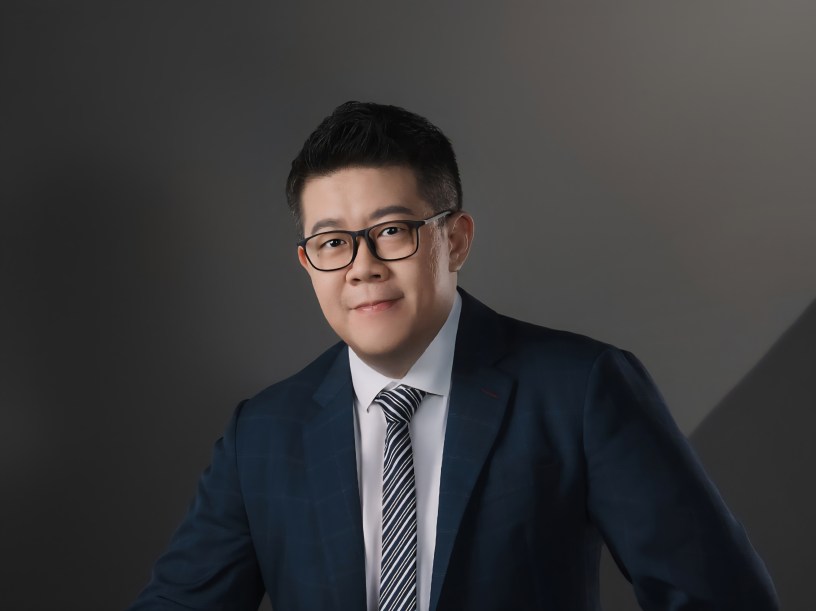
Meet Bob, founder of Bob & Co, a boutique consultancy that blends digital innovation with human connection to help SMEs thrive. What began as a humble side hustle while he was still a full-time finance manager has since evolved into a trailblazing firm at the forefront of tech-driven accounting and advisory services. Bob’s journey from Excel spreadsheets to AI integration showcases not just adaptability, but a relentless pursuit of better solutions for entrepreneurs and high-net-worth clients.
With a passion for efficiency and a deep belief in personalised service, Bob leads with a clients-first mindset. Whether he’s advising on digital transformation or personally checking in with clients, Bob proves that in an era of automation, the human touch still makes all the difference.
What inspired you to start Bob & Co, and how has your vision for the firm evolved over the years?
When I first started the firm, I was still employed as a finance manager in an engineering company. At the time, it was simply a side hustle to earn some extra income and make life more comfortable. Initially, I was taking on part-time accounting jobs from various contacts.
Some friends even questioned why I would bother registering a company for what seemed like just a few thousand dollars in income, calling it a waste of time and money. But I was clear on what I wanted to do.
Over time, the business grew. I secured an office—though back then I rarely used it because I was still working—and even hired staff. It wasn’t until 2019 that I left employment to fully focus on running Bob & Co.
At first, the goal was just to make money. But as the business matured, our mission evolved. At one point, we focused on helping SMEs digitise their accounting practices, transitioning from manual data entry to cloud-based software like Xero.
This shift transformed our efficiency, and we wanted to help our clients experience the same benefits. In fact, I just met with developers before this interview to explore a major project involving AI for our practice. That’s how our vision has evolved over the years.
As a boutique consultancy, how do you differentiate your services from larger accounting or advisory firms?
I’d say it’s the strength of our relationships. Larger firms have the brand name, yes, but because they manage so many clients, they often lack personal touch.
We’re different. While we use technology to improve efficiency, we believe it can’t replace human connection. I make it a point to personally visit all my clients—big or small—even for a quick coffee or phone call.
It’s important that they know we’re there for them. Larger firms may not provide that level of availability or intimacy unless it’s a major account.
You work closely with entrepreneurs and high-net-worth individuals. What are some of the most common financial or structural blind spots that you help them uncover?
It’s quite surprising that some entrepreneurs and high-net-worth individuals are not fully aware of their own financial numbers. That’s a surprising statistic—because at their level, you would expect them to know exactly what they’re doing. They may have accumulated wealth through successful businesses and are excellent at what they do, particularly in sales or their core expertise.
However, I’ve come across quite a number of business owners who, despite their high net worth, don’t have a clear understanding of their company’s financial performance. They may know how much cash they have, but they’re often not concerned about cost structures, tax optimisation, or financial strategy.
I believe that for them to grow further as entrepreneurs—or to elevate themselves to the next level of wealth—they need to start taking charge of their financial data. Understanding and actively managing their numbers can truly propel them to greater success.
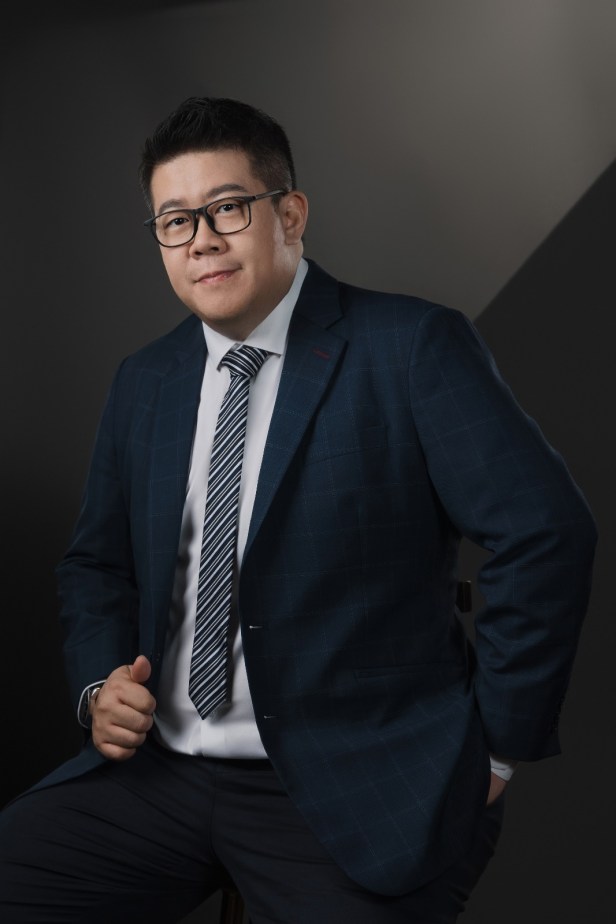
I wouldn’t choose time travel. While many might want to go back and fix past mistakes, I believe humans are meant to make mistakes and learn from them. That’s how we grow.
In your experience, what are the key considerations when structuring a business for cross-border expansion?
Honestly, starting a new business from scratch overseas is often easier than trying to replicate what you do in Singapore.
Key challenges include compliance—Singapore is strict and transparent, whereas some overseas markets have hidden costs and under-the-table practices that are hard to avoid. Legal frameworks may look clear on paper, but there’s often a lot of grey area in execution.
Another key issue is presence—you can’t be everywhere. You only have 24 hours in a day and one pair of hands. So you need the right partner or right-hand person on the ground who shares your values and can help execute your vision reliably.
Looking ahead, what do you believe is the most valuable mindset shift entrepreneurs and investors need to adopt in a rapidly changing global business environment?
The ability to change. Many entrepreneurs fall into the trap of believing they’ve already made it and don’t need to adapt.
Digital transformation is a classic example—many resist it, thinking they can survive with what’s worked for 20 to 30 years. But if the whole world is changing and you’re not, you’ll quickly become obsolete.
My digital marketer once said that having a digital presence means you’re only competing with others who have one too. But without one, you’re competing with every accountant in the world—and that’s a much tougher game.
In your opinion, what makes a good entrepreneur?
A good entrepreneur must be nimble and willing to learn continuously. With how quickly things change, you have to be ready to pivot, adapt, and make informed decisions quickly.
Resilience and flexibility are non-negotiable traits in today’s environment.
What’s your vision for Singapore in the next five years?
Singapore is facing challenges, but I believe it’s in good hands. We’ll continue to evolve and grow. I’m confident that Singapore will maintain its position as a Southeast Asian hub and continue to develop as Asia’s leading financial centre—perhaps even outpacing Hong Kong in certain areas.
If you could travel back in time, what would you do and why?
I wouldn’t choose time travel. While many might want to go back and fix past mistakes, I believe humans are meant to make mistakes and learn from them. That’s how we grow.
Connect with Bob: Bob & Co and LinkedIn.
Bob is a member of Rainmaker, a revolutionary movement that rallies like-minded people together based on the values of Love, Authenticity, Respect, Kindness and Youthfulness (LARKY).
