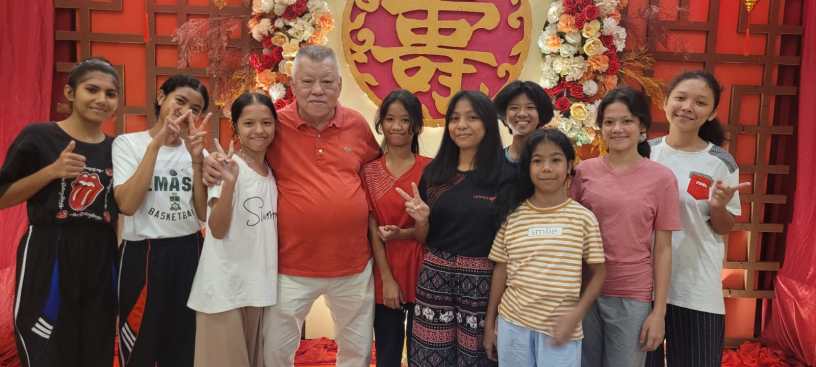
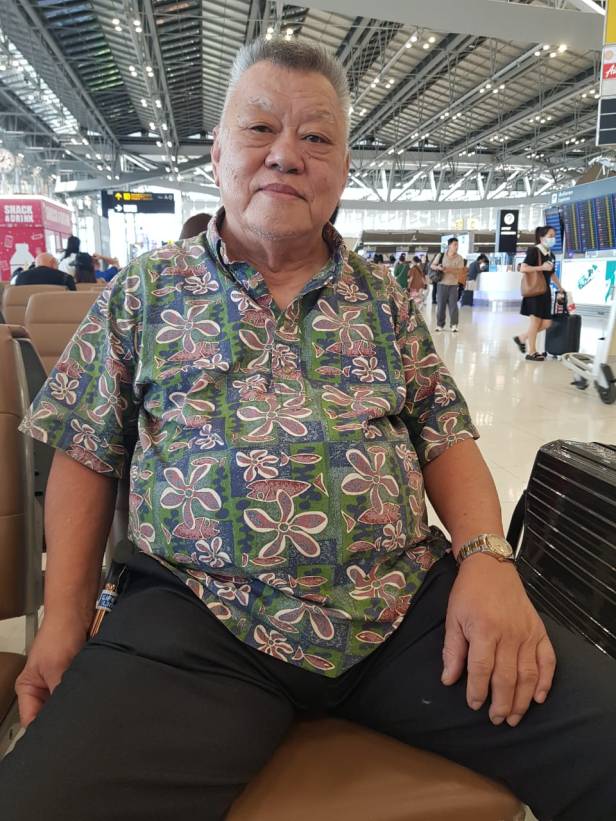
Meet Thomas, the soft-spoken Singaporean founder of Willing Hearts Orphanage in the Philippines—a shelter that has fed, educated, and empowered hundreds of underprivileged children since 2008. Inspired by his long-time domestic helper’s selfless acts of charity, Thomas decided to dedicate his life to uplifting others, even letting go of his personal assets to sustain the orphanage.
At 86, Thomas continues to run Willing Hearts with Filipina Maria Teresa with humility and purpose. From starting a soup kitchen run by former orphans to supporting education through scholarships, his mission is not just about charity—it’s about dignity, sustainability, and giving people a chance to rise. His story is a powerful reminder that one person’s quiet generosity can change countless lives.
What inspired you and Maria to start Willing Hearts Orphanage back in 2008, and what were the early days of the shelter like?
I started Willing Hearts Orphanage in 2008 because of my helper, Maria Santa Teresa. She’s now the co-founder and head of the centre. She began working as a domestic helper for me when she was 20—now she’s 62, so it’s been many years.
When she first came to work with me, after three months she asked if I could help by giving her some old clothing and canned food to send home. I agreed, and every month I gave her a box to ship back.
After a year, I began to wonder how she needed so much. So I decided to visit her hometown in Manila, together with my family. We went to see where she lived and I was shocked to find that she was giving her entire salary—about $300 at the time—to help the poor, feeding over 220 children in her community.
She was doing all this while still working here. I was very moved. I thought, if she could do so much with so little, then I must do something too. So I decided to let go of some of my properties and dedicate myself to supporting orphans and the poor.
I was inspired by her simple, selfless way of living, and we’ve been working together to run the orphanage ever since.
How does a typical day look like for a child at the orphanage?
We currently have over 30 children, and the place can house up to 50. More importantly, we started a soup kitchen four years ago, which now feeds 400 people a day.
What makes it special is that it’s run by the orphans themselves—our graduates. Two of them handle administration and earn about $300 per month. They run the supply chain, supported by two cooks.
The rest of the children help with chicken and pig farming, gardening, and vegetable cultivation. It’s a special model—orphans helping to give back to society. That’s the spirit of Willing Hearts.
Besides providing food and shelter, education is also a key focus. How do you ensure each child receives the academic and emotional support they need?
Every child is given a scholarship to study, no matter how far their school is. From pre-school onwards, education is our top priority—right after food. Many of our children are doing very well.
Some have graduated and a few are now in junior college and university. A group of them is even planning to start their own accounting firm. I always encourage them to continue their studies and find ways to give back to society.
Willing Hearts has hosted many volunteers through CSR programmes and schools. What do you hope these volunteers take away from their experience?
We’ve worked with organisations like MAS and RHB Singapore. RHB alone has sent 1,200 staff members over the past six years. Every Saturday, they help with packing food, sorting donations, and preparing shipments to the Philippines.
Schools also participate through their VIA programmes, and companies get involved via CSR. Even churches send volunteers on an ad hoc basis.
My job is to bring these volunteers to the orphanage, let them see the work firsthand, stay with us, and interact with the children. That’s the real experience I want them to take home.
We went to see where she lived and I was shocked to find that she was giving her entire salary—about $300 at the time—to help the poor, feeding over 220 children in her community.
Can you share a memorable story that showcases the impact Willing Hearts has made in a child’s life?
Every child we accept must go through an approval process with the Department of Social Welfare and Development (DSWD) in the Philippines. They are assessed by social workers before being admitted.
One story that stood out was recently featured on television. A boy who had previously run away from the orphanage returned. Maria didn’t scold him. She simply opened the door and welcomed him back—no anger, no questions.
That was very touching and showed me what a good heart she has. Her approach really made a difference in that boy’s life. I’m very proud of the work she has done.
Given limited funding and resources, how do you currently sustain operations, and how can individuals support your cause?
There are some kind-hearted individuals who help. For example, when a friend’s parents passed away, he donated all the wake offerings to help feed the children. That made a big difference.
We don’t go out actively asking for money. Some companies, temples, or churches give us food items like noodles, which we then ship to the Philippines. We are sustained by the goodwill of people like this.
If you could have a superpower for one day, what would it be and why?
At this age, I don’t wish for much. I just wish I had the power to heal. My wife is half-paralysed after a surgery and can no longer walk. Every Monday, I have to bring her around in a wheelchair.
We can’t travel anymore, and it has been a big setback. But I carry this cross cheerfully. I’m a Catholic, so every morning I attend mass before heading to the market. That keeps me going. At 86, I’m still doing everything I can with a thankful heart.
Connect with Thomas: WillingHeartsOrphanage.

Follow our socials found here: linktr.ee or contact us here if you wish to share your story.
