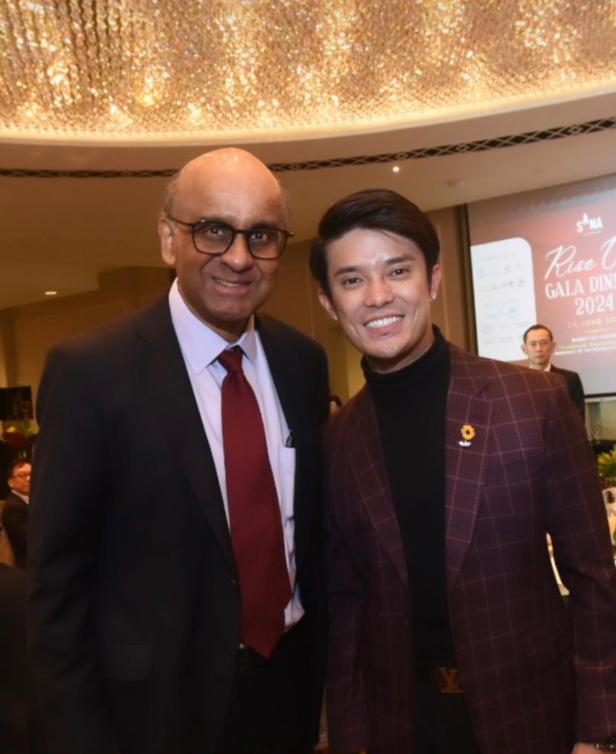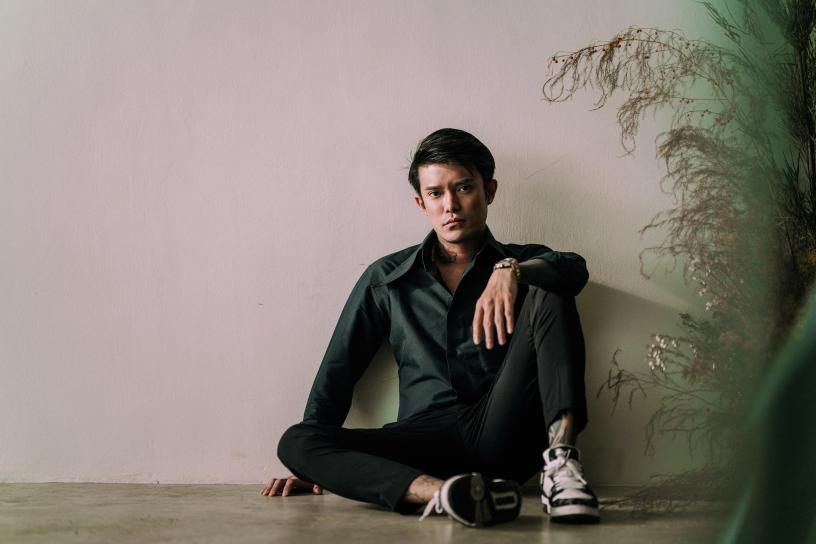
Meet Simonboy, a former drug addict who spent 16 years trapped in addiction before turning his life around. After a failed suicide attempt, he found hope and healing in a Christian halfway house, where the support of fellow recovering addicts helped him rediscover joy and purpose. That pivotal experience became the foundation of his transformation—from rock bottom to a renewed life of meaning and faith.
Today, Simon is a motivational content creator, entrepreneur, and family man, inspiring thousands through his authentic storytelling on social media. Whether he’s sharing personal battles or uplifting others, his mission is clear: to show that no one is too broken to be rebuilt. His story proves that with the right support, even the darkest past can lead to a powerful and purpose-driven future.
Can you take us back to the lowest point in your life, and what finally pushed you to turn things around?
I was on drugs for 16 long years, using non-stop. During that time, I never got to live a normal life. My lifestyle was like a zombie’s—every moment was about finding money for the next fix. Toward the end of my drug use, everything started to feel meaningless. I had lost many opportunities in life.
I was already in my 30s, and when I compared myself to my friends, I felt really lousy. I had also lost loved ones, but I couldn’t do anything about it because I was deep in addiction. Living with that kind of regret made life feel more and more meaningless.
Eventually, I attempted suicide. I didn’t succeed, but that moment was a severe wake-up call. I knew I had to seek help because the next time, I might not be so lucky. That’s when I went to a Christian halfway house—The New Charis Mission—and that’s when things really began to change.
At the halfway house, there were about 70 of us, all going through similar struggles. Most were ex-convicts battling addiction. But there, everyone truly understood what I was going through. There were brothers in their 40s, 50s, even 70s, all with more experience than me.
It felt like fighting a battle together instead of alone—like trying to break ten chopsticks versus one. I remember clearly—in my second month there—I smiled and laughed joyfully for the first time in years.
In that moment, I realised that life could still be good and meaningful. I stayed there for two years. We did everything from house moving and cleaning to serving in elderly ministries. All of that gave me purpose. The staff there also sat with us to discuss our future and help us rebuild it, offering guidance and support every step of the way.
What inspired you to start your content creation journey?
After two years in the halfway house, I decided to re-enter society. I was 34 and felt that I was quite far behind others. I started doing food delivery, but deep down, I knew it wasn’t something I wanted to do long-term.
I kept exploring options and took SkillsFuture and WSQ courses to upgrade myself. While studying, I came across TikTok and saw people like Mayiduo creating content. It caught my interest, and I thought maybe this was something I could try.
I began teaching myself how to produce and edit videos. When my first video went viral, I was hooked. From that point on, content creation felt like the only real option for me—it wasn’t just a career choice; it was my way forward.


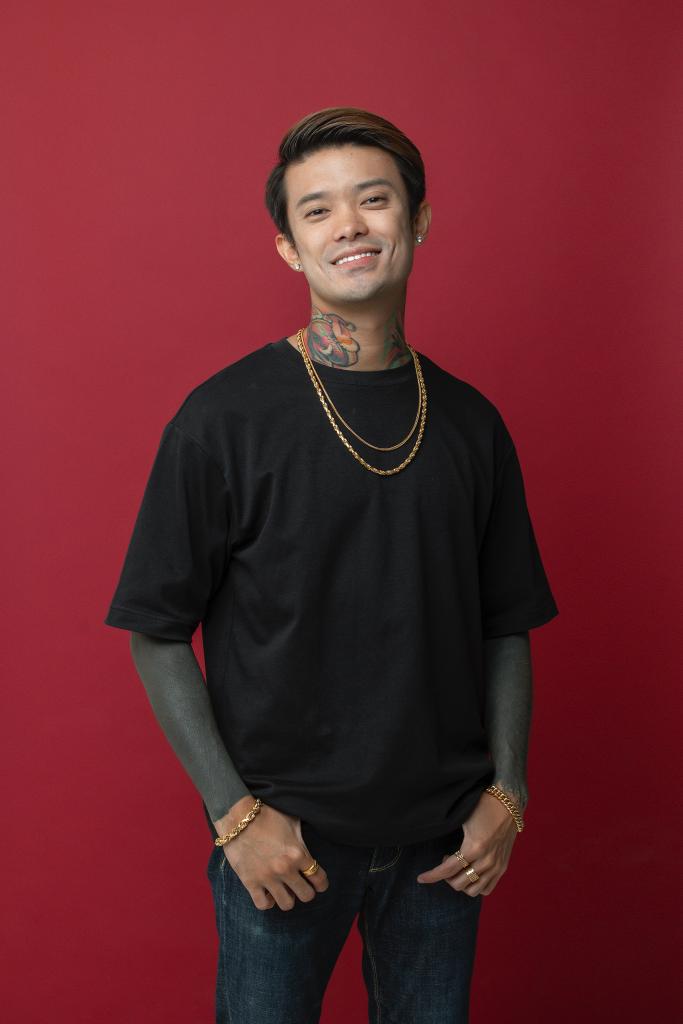

Eventually, I attempted suicide. I didn’t succeed, but that moment was a severe wake-up call. I knew I had to seek help because the next time, I might not be so lucky.
You’ve built a powerful online platform. How do you decide what stories to share, especially those that are very personal?
When you decide to step into social media, you need to accept that there are no more secrets. Your past, your struggles, your mistakes—they’re part of your story. I don’t plan which stories to share; if I feel something can benefit my audience and spread a positive message, I’ll share it.
Of course, I make sure I’m ready to face the response, including potential judgment. If something still feels too raw or personal, I hold back. But generally, I believe in full transparency—it’s how real impact happens.
How do you and SimonGirl support each other, both in the family and in business?
My wife gives me a lot of freedom to pursue my career. She trusts my decisions and doesn’t limit me, even when it comes to acting roles. That said, I still always consult her before making any big moves.
On my end, I supported her in leaving her corporate job to start her own business—Number One Helper Agency—which is now doing very well. It broke even within eight to nine months and is already profitable.
We support each other in all the ways we can. She handles the back-end operations and admin, which I’m not very strong in, and I help with strategy and growth opportunities.
What message would you like to share with those trying to overcome addiction?
Addiction should never be a solo battle. There are great organisations like The New Charis Mission, Teen Challenge Singapore, and Breakthrough Missions that walk this journey with you.
Don’t believe you have to fight it alone—seek professional help. Many people realise they have an addiction only after years or even decades, and by then they feel like it’s too late. They come out at 30 or 40, feeling left behind.
Most of the jobs available to them pay very little, which makes them want to give up. But there are resources that can help them rebuild—courses, counselling, even family support. Life doesn’t have to be stagnant.
I used to feel stuck too, but I’ve learnt that life can be joyful and meaningful again. Keep life simple, and don’t look down on yourself.
What do you think makes a good entrepreneur?
I think a good entrepreneur is someone who’s willing to fail. Not every business or idea will succeed, and that’s okay. The key is to keep trying. You may have to go through ten different failures to find the one success that changes everything. It’s about resilience and refusing to give up.
What’s your vision for Singapore in the next five years?
I’m not someone who’s politically inclined or particularly visionary, so I’ll leave the policymaking to the professionals.
But I’m grateful to live in Singapore—it’s safe, and most of us have homes and basic needs met. I think we’re in a good place.
If you could have a superpower for one day, what would it be and why?
I’d choose time travel. I’d go back and do what I could for the people I lost. But honestly, I don’t focus on regrets anymore.
Everyone has regrets, but I try to look forward. Whatever we’ve done wrong or lost, we can always try to make it right today and do better tomorrow.
Connect with Simon: TikTok, Instagram and Facebook.