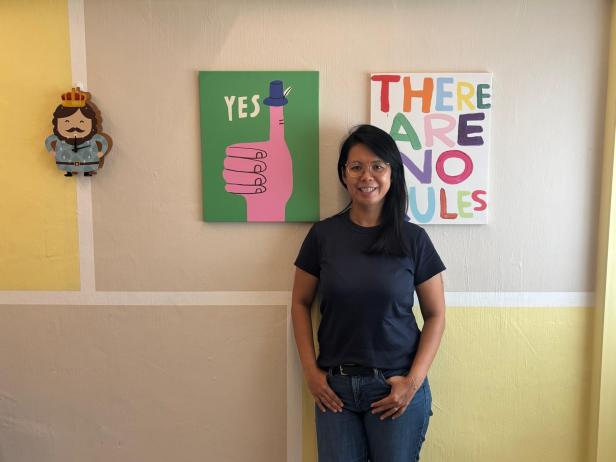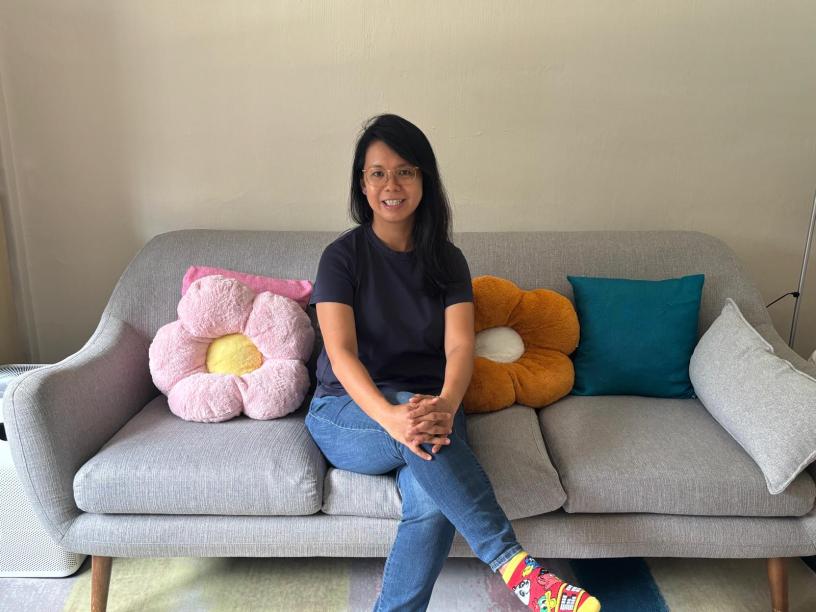
Meet Hui Ting, the founder of Summer’s Therapy Services and a dedicated speech therapist who began her career in social work and psychology with a deep desire to support children with special needs. It was during her social work placement that she discovered speech pathology—a profession that allowed her to connect more directly with children and make a meaningful impact on their development.
By focusing on early intervention and relationship-based care, she has helped countless children find their voices and improved the quality of life for entire households. Today, Summer’s Therapy Services is more than just a practice—it’s a safe space where children are empowered, parents are supported, and progress is celebrated every step of the way.
What inspired your transition from social work and psychology into speech pathology?
I first discovered speech pathology during my social work placement. I had studied social work and psychology with the intention of working with children with special needs and their families.
However, during the internship, I found myself working more with the parents than directly with the children, and I realised that wasn’t quite what I was looking for. By chance, I met a speech pathologist who was working directly with a child, and I was inspired.
I wanted a profession that allowed for direct, meaningful interaction with children, so I decided to pursue speech pathology.
Why did you decide to offer speech therapy services at your client’s home?
The child is usually more comfortable in a familiar environment, which helps them open up and build rapport with the therapist more easily. Parents are also more relaxed at home—they often see me more as a friend visiting than a professional in a clinical setting.
This is especially beneficial for toddlers or children with physical disabilities who may find it difficult to travel. It’s also helpful for children with autism who may experience meltdowns or become overstimulated on public transport.
What are some of the challenges you face when working with children with special needs?
One of the main challenges is building trust and engagement. It can take time before a child is willing to communicate or participate in activities.
Another challenge is working with the parents. Parents of children with special needs often experience emotional trauma—many have hopes and dreams for their child, and discovering developmental delays can be difficult to process. Supporting and engaging the parents is just as crucial as working with the child.
Can you share a memorable success story where therapy significantly improved a child’s or family’s life?
Yes, I have two. One was a three-year-old boy who had no spoken words. He could babble, like saying “baba,” and could follow instructions well, but he didn’t speak. His mother, a psychologist, had brought him to several therapists who told her he would never speak and would need a picture exchange communication system.
I suggested trying alternative strategies—oral motor exercises, speech imitation, and language stimulation—which hadn’t been tried before. Eventually, the child began to speak in simple sentences.
Today, he’s in Primary 6, sitting for his PSLE, and recently won a trophy in a Chinese speaking competition. His mum sent me a photo—she was so proud.
The second case was a 2.5-year-old child with Down syndrome. He had no speech and poor feeding skills.
Fortunately, the family was incredibly supportive. Now he’s in Primary 5 in the mainstream stream. While he struggles academically, his self-esteem and ability to express himself are strong.
That progress brought great relief to the family, especially with prior tension from the paternal grandparents. It really changed the family dynamic.
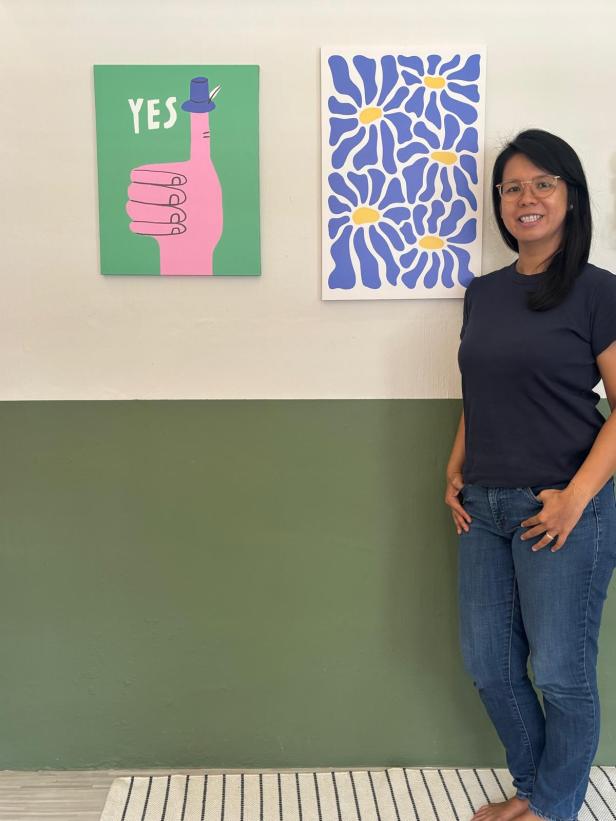
Many parents think speech delays can be resolved by simply encouraging the child to speak—by looking at the mouth or prompting words. But speech development is holistic. Other foundational skills need to be developed first.
What are some common misconceptions parents have about speech delays or disorders?
Many parents think speech delays can be resolved by simply encouraging the child to speak—by looking at the mouth or prompting words. But speech development is holistic. Other foundational skills need to be developed first.
Another misconception is that if the therapist is spending time playing rather than directly prompting speech, it’s a waste of time. In reality, we’re building trust. Sometimes it takes three or four sessions just to develop that rapport. Without trust, the child won’t feel safe or motivated to communicate.
What advice would you give to parents who are unsure if their child needs speech therapy?
Many parents today turn to ChatGPT or Google to self-diagnose, which can be overwhelming. My advice would be to consult a speech therapist for a proper, face-to-face assessment.
Whether or not they choose to proceed with therapy, at least they’ll have a clearer understanding of their child’s needs from a professional.
What is your long-term vision for Summer’s Therapy Services?
I hope to develop Summer’s Therapy into an integrated centre with a team of healthcare professionals. Occupational therapy is a key area I’d like to add to our services.
I also want to strengthen our early intervention and special needs educational programmes, so that we can become a one-stop centre for families seeking holistic support.
What’s your vision for Singapore in the next five years?
I’d love to see more children with special needs integrated into mainstream education. I also hope Singapore will improve accessibility for individuals with visual or physical impairments—like installing more ramps.
I also hope that society as a whole becomes more understanding and patient when encountering individuals with special needs in public spaces.
If you could have a superpower for one day, what would it be and why?
If I could have a superpower for just one day, I’d want the ability to instantly train a whole team of speech therapists.
Right now, it takes two years for a Master’s or four years in a special programme. If I could accelerate that process, we’d have so many more professionals ready to support children with special needs. That would make a huge difference.
Connect with Hui Ting: SummersTherapyServices, Facebook and YouTube.