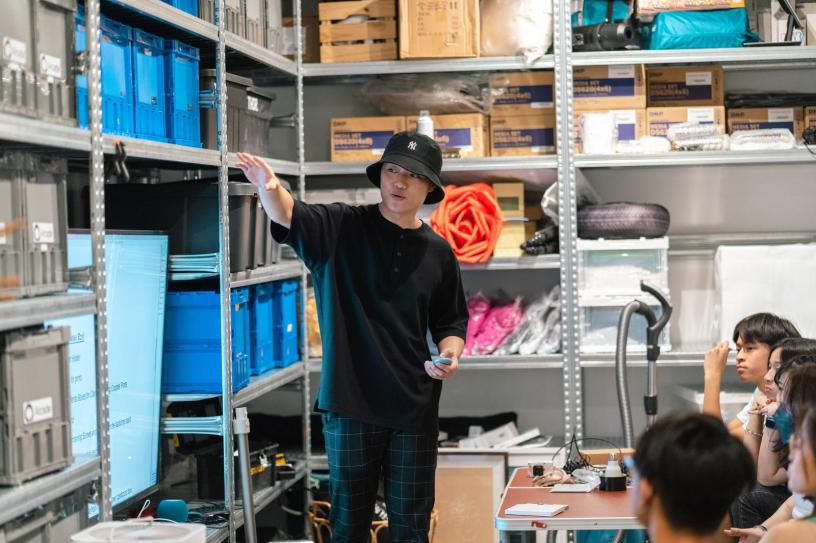
Meet Rex, the co-founder of Patrons’, a Turkish-inspired eatery in Singapore’s CBD that blends tradition with innovation. What began as a childhood dream shared with his Turkish partner has grown into a successful F&B venture shaped by friendship, grit, and a deep understanding of local preferences.
With a keen eye for market needs and a passion for food, Rex championed the concept of customisable Turkish meals—offering office workers and food lovers healthier, tailored options without compromising on authenticity. Backed by years of R&D, Patrons’ has become a standout brand delivering flavour, flexibility, and genuine heart.
What inspired you to start a business centred around Turkish cuisine and how did the customised meal concept come about?
It’s always been a childhood dream. My partner is Turkish and we have been primary school friends. During those good times, we often talked about how to get rich together in the future. We also used to patronise my friend’s family restaurant at East Coast, and since secondary school, we’ve worked part-time as waiters at his dad’s restaurant.
After our National Service, we discussed starting something of our own, and that’s how our brand came about. A group of primary school friends came together to make it happen.
The customised meal concept came about because we are located in the CBD and realised that the customisation method works best for office workers. The crowd here wants to know what they are eating, and many are picky eaters.
For example, some people don’t like onions or mayonnaise, so customisation gives customers the freedom to choose what they like.
How do you balance authenticity with the need to customise meals for modern dietary needs?
You’re right. If we brought true 100% authentic Turkish food to Singapore, I don’t think people would be able to accept it easily. Turkish food, especially desserts and drinks, are usually very sweet. My partner is a chef, so we went through an R&D phase before opening.
We realised we needed to find a balance between authenticity and local tastes. We reduced the sugar content and kept things healthy. Most of our drinks are not so sweet. Take our baklava for example. The authentic version should have syrup dripping from it, but ours is less sweet so people can enjoy it without feeling overwhelmed.
Can you share the challenges you faced introducing Turkish cuisine to a broader audience?
Singapore is a multiracial society, so Turkish cuisine is quite easy to accept, especially with Singaporeans being exposed to various cuisines. However, I realised after opening the restaurant that Singaporeans love bread.
That’s why our flatbread is one of our bestsellers. There weren’t major challenges in terms of acceptance as people really enjoy the food.
Can you share your lowest point in life and one lesson you learned from it?
My lowest point was when we started our first outlet right after the lockdown. We had no experience in hiring staff. Due to the HR constraints, some of the people we hired were much older than us, which made internal management difficult.
So my partner and I had to do everything ourselves. We were in the shop from 7am until closing at 12am and even stayed at our partner’s house to avoid oversleeping. This went on for about 1.5 years. All the money we earned went towards repaying the loan for our startup capital.
The biggest lesson we learned is that having a solid SOP for your business is crucial. Only when your shop is robust can you hire people with minimal supervision.
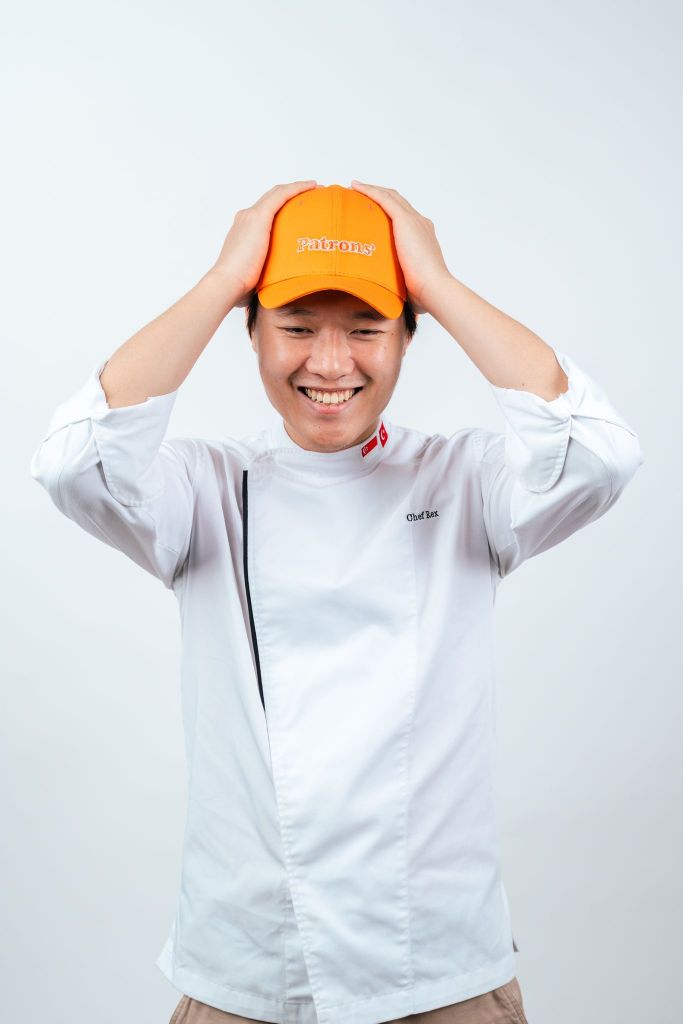

A good entrepreneur doesn’t seek perfection before starting. They are the ones who take action first and refine things along the way. It’s more important to take the first step rather than over-plan and delay.
What do you think makes a good entrepreneur?
A good entrepreneur doesn’t seek perfection before starting. They are the ones who take action first and refine things along the way. It’s more important to take the first step rather than over-plan and delay.
Most things will change along the way anyway. Of course, you need some planning, but taking action is key.
What’s your vision for the future of Patrons’ such as planning to expand or franchise?
For now, we’re exploring the event space, bringing our brand beyond the CBD. As for franchising, we’re not looking into that just yet as it’s a risky step. If it fails, all the effort from our current outlets could be wasted.
For the event space, I also run another events-related business, so I see the demand for good food at events like carnivals and gastro pubs. We’re also looking into seasonal catering for both B2B and B2C markets.
This is a huge opportunity, especially with the rise of live-stream shopping. Having a product people can sample helps us sell beyond relying solely on walk-ins.
What’s your vision for Singapore in the next five years?
From a big-picture perspective, the next five years are very unpredictable, especially economically. With global instability, people are becoming more cautious with their spending. It won’t be as easy as it was pre-COVID.
That’s why I urge other entrepreneurs, especially in the F&B sector, to think carefully before expanding too aggressively. Many F&B businesses have already closed in Q1 2025, so that’s a real concern.
If you could have one superpower for a day, what would it be and why?
If I could have a superpower, it would be the ability to heal. Beyond business and money, I’ve learned to treasure loved ones more over the past three years.
I lost a few close people to illness, and if I had the power to heal, at least they wouldn’t have to suffer, and maybe they could live a bit longer.
Connect with Rex: Instagram and Facebook.
Rex is a member of Rainmaker, a revolutionary movement that rallies like-minded people together based on the values of Love, Authenticity, Respect, Kindness and Youthfulness (LARKY).

