
Meet Asmah, a wellness practitioner specialising in homeopathy and Bach flower remedies. Her holistic approach focuses on restoring balance in the body and mind by addressing the root causes of discomfort rather than just the symptoms. She works closely with clients to understand their emotional and physical state, crafting personalised treatment plans that support long-term wellbeing.
Driven by a belief in the body’s innate ability to heal, Asmah combines her knowledge of classical homeopathy with the gentle power of Bach flower remedies to promote emotional clarity, stress relief, and overall vitality. Her compassionate presence and the transformative effects of her work has fostered self-awareness and lasting inner harmony.
What inspired you to pursue a career in holistic health, and how did your journey from wanting to be a doctor to studying engineering eventually lead you to embrace homeopathy and Bach flower remedies?
From a young age, I was fascinated by the human body and the idea of healing. I initially aspired to become a doctor, but life took a different route and I ended up studying engineering. However, the desire to help others never faded.
It was my own health challenges and the emotional toll of managing a restaurant business that nudged me towards holistic healing. I discovered homeopathy and Bach flower remedies and felt an instant connection.
These natural, non-invasive methods didn’t just restore my physical health—they helped me regain emotional clarity and balance. That’s when I knew this is what I was meant to do.
You mentioned that during the pandemic, Bach flower remedies played a crucial role in your recovery by helping you balance your emotions. Can you share more about the experience?
Absolutely. During the pandemic, I had a severe case of COVID-19 and was hospitalised. When I was being rushed to the hospital, I told my daughter to pack all my supplements, vitamins, my homeopathy remedies and my Bach flower remedies for me. Also, some fruits—because I don’t like to eat hospital food.
When I reached the hospital, the doctor saw my chest X-ray and from the look on their faces, I could see that things were not good. I was warded in an isolated room, and within just a few minutes, I had a terrible cough and vomited blood. I panicked. I called the nurse—she came in and reassured me, but no medication was given. She said she would inform the doctor.
This episode repeated again at 3:00 a.m. when I was lying in bed. I had a terrible cough again, which led to vomiting fresh blood. Again, I called, and again, the nurse came in and reassured me—still no medication.
I was very lucky to have the prayers of my family. I also had a very good doctor friend who kept in touch with me throughout the journey and kept assuring me: “Look, just increase all your supplements, double or triple the dose.”
I started taking Bach flower remedies more religiously and increased my vitamins. Since the hospital wasn’t giving me anything, I just relied on all these. It was, of course, a terrifying time for me, my children, and everyone else. As I lay in the hospital, hearing news of loved ones succumbing, and with negativity all around, I told myself—I don’t want to die and I won’t die. I have to pull through this.
I had great conviction that I would. So with everything—mentally, physically and emotionally—I was prepared. Bach flowers helped me prepare emotionally, homeopathy helped me with my healing, and nutrition supported my immune system.
Miraculously, on the fourth day, I tested negative. I believe emotional balance played a huge role in my healing. That experience reinforced my belief that when the mind is calm, the body heals better.
After selling your restaurant in 2022 to focus on your holistic health practice, how have your past entrepreneurial experiences influenced your approach to one-to-one consultations and client care?
Actually, running a restaurant taught me resilience, empathy, and the importance of service. These three things stayed with me. I learned to listen closely to feedback, observe patterns, and adapt quickly. These are the same skills I now apply to client care. Every individual who walks into my consultation room is treated with the same dedication that I gave to my business.
I focus on building trust, creating a safe space, and crafting personalised healing journeys. My entrepreneurial experience taught me that consistency and heart-centred service lead to transformation—whether in business or in healing.
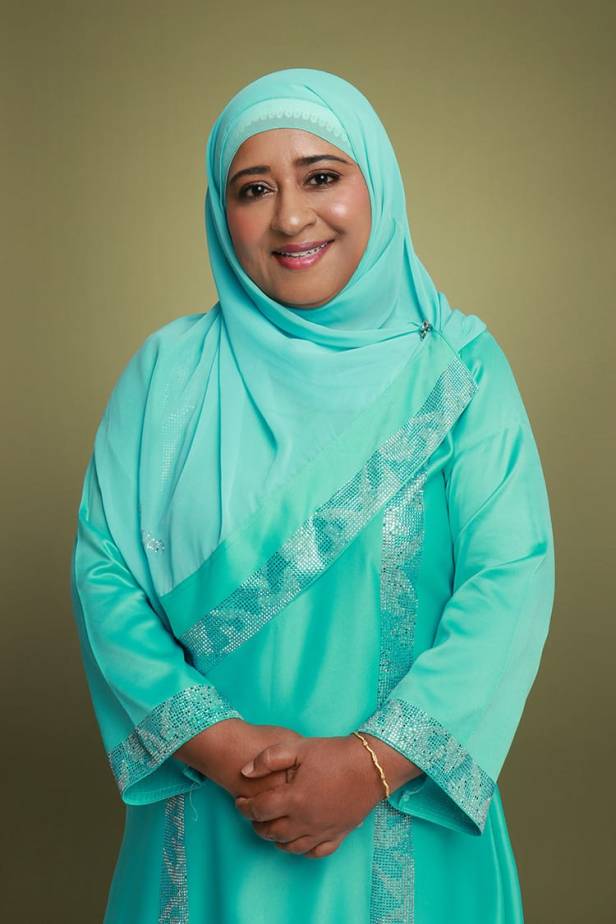
The mind and body are deeply connected, so at Health Optimum, we don’t just treat symptoms—we look at the whole person.
You integrate homeopathy, Bach flower remedies, emotional and lifestyle coaching, and nutrition. What makes this integrated approach particularly effective in helping individuals achieve holistic well-being?
The mind and body are deeply connected, so at Health Optimum, we don’t just treat symptoms—we look at the whole person. Homeopathy works on deep healing. Bach flower remedies balance emotions. Lifestyle coaching brings clarity and alignment.
Nutrition fuels the body. When these elements are combined, healing becomes sustainable. It’s not a quick fix—it’s a path to long-lasting well-being. This integrative approach helps individuals not just survive, but thrive emotionally, physically, and professionally.
Can you share how you use Bach Flower remedies to help your clients?
As a certified Bach Flower practitioner with years of experience in emotional and mental wellness, I use Bach Flower Remedies as a gentle yet powerful tool to support my clients in achieving emotional balance and overall well-being.
Bach Flower remedies work on the emotional and energetic levels. They are natural, plant-based essences developed by Dr Edward Bach in the 1930s and are designed to address specific negative emotional states—such as fear, anxiety, grief, indecision, overwhelm, or low self-worth—which often underlie or contribute to physical and mental health issues.
My approach involves three key steps. I will start with an in-depth consultation. Then, I create a safe, confidential space for the client to share their current emotional experiences, challenges, and recurring thought patterns. I listen not only to their words, but to the emotions behind them—because emotional distress is often hidden beneath physical symptoms or life circumstances.
Step 2 involves personalised remedy selection based on the client’s emotional profile. I select a custom combination of up to seven Bach Flower remedies that directly correspond to their emotional state. Each remedy addresses a specific emotional imbalance.
For example: Mimulus for known fears, Larch for lack of confidence, Rescue Remedy for acute stress or trauma.
The last step involves support and follow-up with my clients over the next few weeks. During this time, subtle yet profound shifts often occur—emotions settle, clarity returns, and clients feel more centred and empowered. We follow up regularly to adjust the remedies as emotions evolve and healing progresses.
Unlike conventional medicine, Bach Flower Remedies gently address the root emotional causes of distress. When emotions are acknowledged and harmonised, the mind calms, the body follows, and healing happens from within.
This approach is non-invasive, safe for all ages, and beautifully complements other modalities like nutrition, homeopathy, or conventional care. My clients often report better sleep, improved mood, restored inner calm, and a renewed sense of self after taking their personalised blends.
How do you tailor your consultations to meet the diverse needs of your clients, from personal healing to supporting NGOs and women’s empowerment organisations?
As I said, every client is unique—and so is their story. My approach is individual-based, not one-size-fits-all. My consultations are guided by deep listening and empathy. Whether I’m working with an executive, a stay-at-home mother, or a community organisation, I assess emotional patterns, stressors, and lifestyle challenges.
For NGOs and women’s groups, I often create community-based workshops focused on emotional empowerment and practical self-care tools. The goal is always the same: to meet people where they are and guide them gently to where they want to be.
Can you share a memorable success story where holistic methods made a significant difference in a client’s life?
A young woman came to me feeling emotionally paralysed after years of trauma and grief. She had tried many forms of therapy but found little relief. After just a few sessions integrating Bach flower remedies, homeopathy, and emotional coaching, she began to feel lighter, more hopeful, and gradually resumed her career.
Today, she’s thriving both emotionally and professionally. Stories like hers are why I do what I do. They remind me that healing is possible—and often closer than we think. This is just one example of the many success stories I’ve had.
I have another success story about a 4.5-year-old boy who could not walk or talk, and whose mind was that of a 2-year-old. Doctors had said he would not be able to walk. However, after being on my nutrition programme, he started walking after three months.
What are your aspirations for Health Optimum and how do you plan to further promote holistic health care and accessibility to underprivileged communities?
Of course, my vision is to expand Health Optimum into a trusted hub for emotional and mental wellness. I want to bring holistic care to schools, corporate offices, and especially underserved communities.
I’m currently exploring collaborations with NGOs and philanthropists to set up low-cost wellness clinics where Bach flower remedies and homeopathy are made accessible.
Emotional well-being should never be a luxury—it’s a necessity, and everyone deserves access to it.
What’s your vision for Singapore in the next five years?
This is something very close to my heart. I envision a Singapore where emotional and mental well-being is prioritised just as much as physical health—a society where stress is addressed holistically and workplaces invest in emotional intelligence and preventive care.
If we can normalise conversations around emotions and provide natural, gentle healing methods to our communities, we will raise a healthier, happier, and more resilient nation.
Connect with Asmah: LinkedIn.

