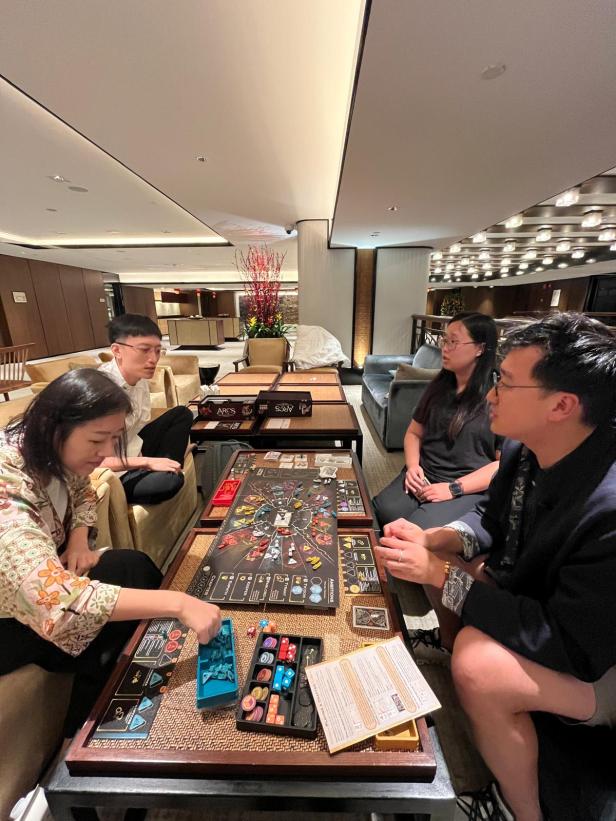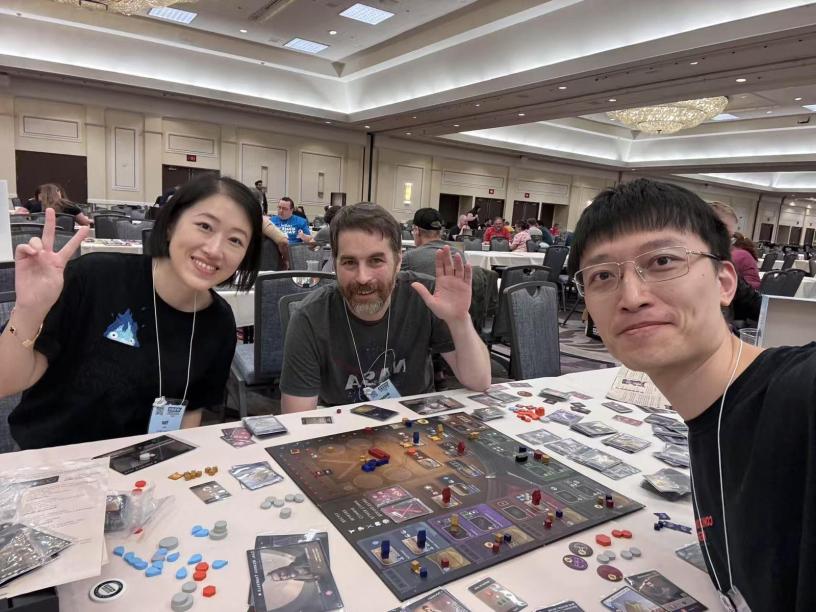
Meet Ivan and his wife Lynn, the visionaries behind World Series of Board Gaming (WSBG) Asia, right here in Singapore. Spearheaded by passionate board game advocates, the WSBG Asia Satellite Tournament aims to bridge international talent with the global stage in Las Vegas. With Singapore chosen as the regional host, Ivan and Lynn hope to unite top players, local communities, and regional champions in a celebration of strategy, competition, and fun.
WSBG Asia goes beyond competition—it fosters cultural connection, game education, and community engagement. It’s more than a qualifier; it’s a movement to crown global talent and elevate Singapore as a hub for gaming excellence. Here is their story.
What inspired the expansion of World Series of Board Gaming into Asia?
We can look at it from two sides. One is from our end—why we want to bring it over from the US to Asia. The other is why the US WSBG community agreed to our proposal. From their end, I believe they also want to expand their influence outside of the US to become more international, like the Olympics of board gaming.
When we attended WSBG in Vegas last September, we noticed that among the thousands of players there, there were very few players from Asia.
We envision WSBG evolving into the true “Olympics of board gaming,” so we proposed expanding the tournament to Asia—and the WSBG committee loved the idea.
They already had the concept of “satellite tournaments,” which are held in various US cities to send the best players to the main Vegas event. I told them we could bring this satellite concept to Asia—just like the Olympics has the Asian Games. In the end, we made it happen.
Secondly, both sides want to crown the best board gamers in the world. To achieve that, you need wider coverage from the first round and reach players from as many different countries as possible.
In fact, Asia has many strong players. When we were preparing for our trip to the US, we actively sought out top-tier players or “masters” to coach us. We reached out to the world’s number one player and asked him to train us. After four weeks of intense training under his guidance, our skills improved rapidly.
This coach is a Chinese national living in China. We believe he never had the chance to travel abroad—let alone to the US. Talented people like him rarely get to compete on the world stage. By bringing WSBG to Asia, we open up opportunities for people like him to qualify and maybe even win a flight ticket to the US finals.
The last motivation is more personal. My wife and I are now Singapore PRs, and we want to make this country more successful and more fun. Our friends often say Singapore is a bit boring, so we thought—why not bring something exciting here?
We lobbied hard for Singapore to host the Asian tournament. While Asia has other major board-gaming hubs—such as China and Thailand—we proactively showcased Singapore’s unique advantages: a cosmopolitan environment with four official languages (English included) and excellent regional connectivity. Those strengths convinced the WSBG committee that the Lion City was the perfect launchpad for their first Asian event.
Ours is a satellite event—it acts as a gateway. The Vegas event is the world stage, whereas the Asia tournament is where the journey begins.
To give the tournament its unmistakable Singapore-and-Asia twist, we rolled out the Asian Board Game Playoffs—a series of Asian-themed titles with cash prizes, generously sponsored by Origame.
We’re also powered by an awesome roster of contributors: Mensa Singapore, IBGA, Layplayleow, Paul’s Tabletop, the Chinese-language channel 棋鼓相当 (US-based), indie design studio 星空桌游 and many local board game cafes. Together, this dream team turns the WSBG Asia Tournament into a vibrant regional showcase.
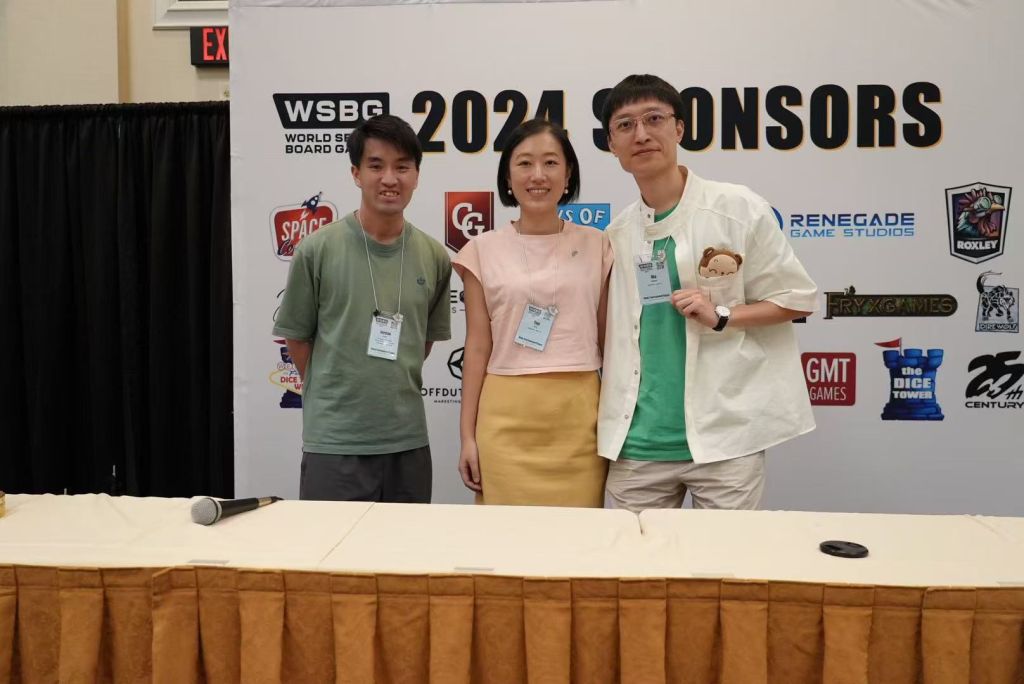
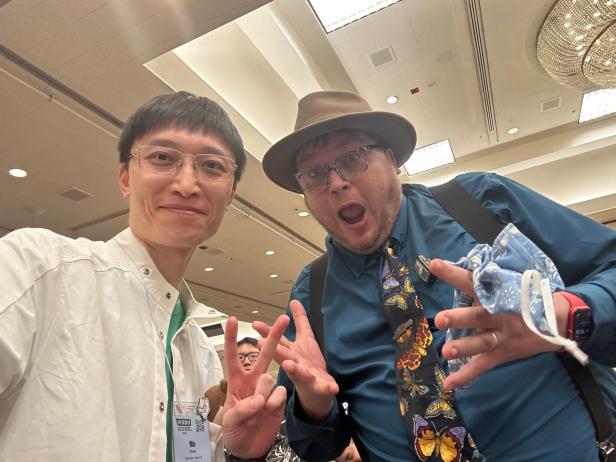
Competition doesn’t have to be only about winning. People, especially adults, spend so much time working that they forget the joy of competing. We want to bring back that passion.
How do you select the featured games for WSBG Asia, and what criteria are used to ensure a fair and exciting competition?
The 16 featured games are inherited 100% from the US. These are selected by WSBG as the most classic and representative board games—just like the Olympics has specific sports. Because we are sending our winners to the US finals, we must follow the exact same rules and formats.
For example, if someone wins the game Splendor in Singapore, they can be crowned the Asia Champion of Splendor and will represent Asia in Vegas. Everything needs to match the Las Vegas standards.
What kind of response have you received from the local gaming community, and how has the scene evolved in recent years?
We’ve reached out to groups like Singapore Mensa and various board game communities, and the response has been overwhelmingly positive. Players are not only eager to compete—they want to connect.
Casual gaming tickets are selling out quickly. However, we’ve noticed that some local gamers are hesitant to compete. Maybe it’s part of the culture—perhaps they don’t want to try unless they’re sure they’ll win. But that’s just an observation.
Aside from the competition, what kind of community building or education aspects does WSBG Asia incorporate into the tournament experience?
Competition doesn’t have to be only about winning. People, especially adults, spend so much time working that they forget the joy of competing. We want to bring back that passion. You might practise hard, make new friends, and still get eliminated in the first round—but the memories stay with you.
Whether it’s staying up late to practise, or dealing with the disappointment of losing, these experiences build resilience and create lasting memories.
What are some of the biggest challenges in organising an international-level board gaming tournament, especially in terms of logistics and player diversity?
The biggest challenge is mass communication. Every country uses different platforms—Singapore, Japan, Korea, Taiwan, China, Malaysia—they all have unique social media channels. We lack financial and manpower resources, so we focus on global platforms like Facebook, Instagram, and Google. But for China, where these platforms don’t work, we use Xiaohongshu.
Language barriers are another issue. In countries like Korea and Japan, content needs to be in the local language, but we don’t have the resources to fully verify every translation.
Another challenge is sourcing the game sets. We had to order the full set of 16 board games from the US because we couldn’t secure all of them locally. We needed at least four copies of each game—that’s a lot of boxes to ship and prepare.
How does it feel to be holding the tournament for the first time in Singapore?
It’s exhausting. We’ve been spending many late nights and weekends on this, while juggling our full-time jobs and parenting. The tournament hasn’t even started yet—it takes place at the end of the month—but we’re already feeling the pressure.
That said, we’re seeing a lot of support from the community. Industry players like David Tan from IBGA have been incredibly helpful, connecting us with others and offering great ideas. We’re thankful for the local support.
Looking forward, how do you envision WSBG Asia contributing to the global board game scene and what can fans expect in future editions?
This is just our first edition. We reached out to the Singapore Tourism Board and they were very interested in supporting us, but the timing was a bit too tight for this year. They’ve expressed interest in sponsoring us next year. With more resources and sponsorship, we hope to make future editions even bigger.
For now, our focus is to make this edition concrete and smooth. Even if we don’t have thousands of players, we want every participant to have a high-quality experience with clear rules and well-organised matches.
In the future, we hope to attract more audience members, provide livestreaming for remote viewers, and possibly invite the US WSBG committee to attend. We also hope to bring in more celebrities and make it a fun, exciting event for everyone.
What’s your vision for Singapore in the next five years?
When I approached the Singapore Tourism Board, I said something very bold—I want to make Singapore the “Country of Wisdom.” When people think of Singapore, I want them to associate her with intelligence, strategy, and harmony. Our kids are winning global math Olympiads, and our society is very smart.
Singapore has also managed to stay neutral and strategic even when the US and China are in conflict. Racial harmony here is another example of wisdom in action. No other country handles diversity as well as Singapore.
This vision aligns with board gaming. Board games are not just about competition—they require rhythm, strategic thinking, alliances, and resilience.
I hope Singapore can host more human intelligence–focused activities like board gaming, TV game shows, and e-sports like Dota. Let’s position Singapore as the global hub for wisdom, strategy, and human excellence. If that comes true, that would truly be “Passion Made Possible.”
Connect with Ivan: Facebook, Instagram and Xiaohongsu.