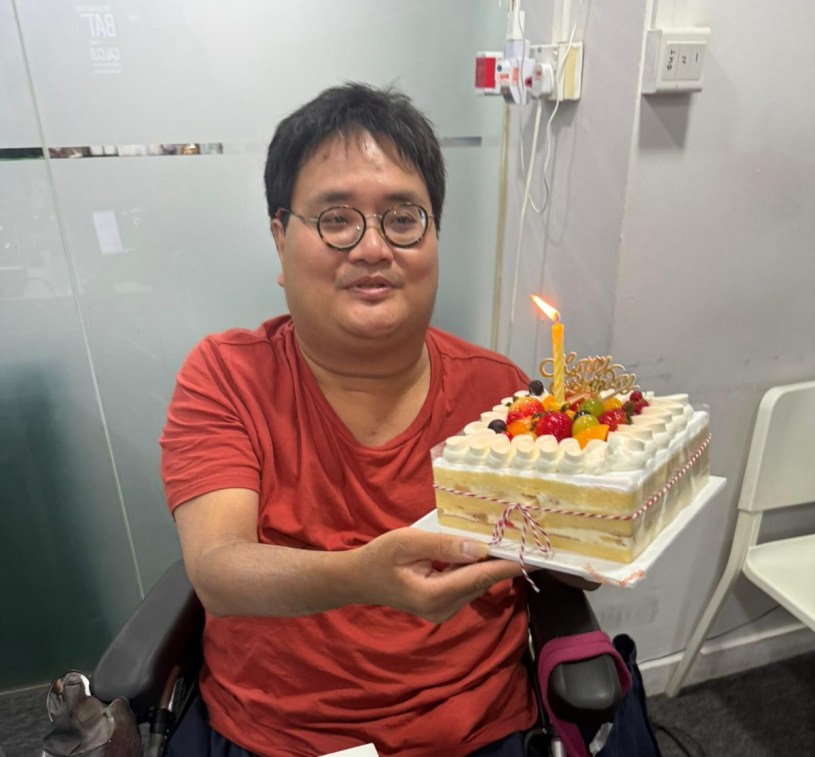
Meet Toby, whose life took a dramatic turn during his National Service in 2000, when a sudden brain infection left him permanently paraplegic. What followed was a long and painful road through hospitalisations, personal loss, and physical limitations. But instead of giving in to despair, Toby transformed his journey into one of resilience, reinvention, and purpose.
Today, he’s known not just as a survivor—but as “Toby the Toy Man,” a disabled toy collector and reseller bringing joy to others through vintage playthings. He opens up about mental health, finding meaning through giving, and how he hopes to shape a more inclusive Singapore.
Can you take us back to the day your life changed during National Service—how did you cope with the diagnosis and recovery process following the brain infection?
The turning point in my life came during National Service in the year 2000, when I was an able-bodied young man. One day, I suddenly became very ill and was diagnosed with a brain infection. The infection left me paraplegic, and I lost the use of my legs permanently.
It was an incredibly traumatic experience—both physically and emotionally. At first, I felt despair and confusion. I couldn’t believe that a young man with so many dreams could be rendered disabled so suddenly.
Coping with the aftermath wasn’t easy. The early days were the hardest. I had to relearn everything—from how to move with assistance to how to navigate a world that wasn’t built with wheelchair users in mind. But I clung to the belief that my life wasn’t over.
I sought emotional strength from my family, especially my late father, and gradually shifted my mindset from loss to adaptation. My journey of recovery became a long but transformative one, rooted in acceptance, education, and resilience.
You’ve faced multiple hospitalisations and medical complications over the years. What keeps you going through each challenge?
Yes, I’ve had recurrent hospitalisations due to persistent health issues, such as yearly kidney stone infections and other complications stemming from my condition.
Each hospital stay is physically draining and emotionally taxing, and there have been moments when I truly questioned whether I could endure any more. What keeps me going is a mix of purpose, faith, and the desire to still contribute meaningfully to society.
My late father’s memory gives me strength—I often tell myself that he’s still watching over me. I’m also driven by the belief that my lived experiences as a person with a disability are valuable.
I have something to share, whether it’s through storytelling, advocacy, or even just by showing up and continuing to fight. That inner fire, the will not to give up, is what sustains me.
What was it like letting go of your family’s provision shop, and how did that experience shape your outlook on entrepreneurship and resilience?
Letting go of our family’s provision shop was one of the most painful decisions I’ve had to make. It was more than just a business—it was a symbol of our family’s hard work and unity.
But with rising costs, competition, and my own deteriorating health, we couldn’t sustain it. Watching something so personal close down was heartbreaking, but it taught me a valuable lesson about entrepreneurship: resilience sometimes means knowing when to pivot, not just push through.
From that loss, I learned how to adapt. I shifted my focus to something else I was passionate about—collecting and reselling toys. The closure taught me that entrepreneurship isn’t just about profit; it’s about purpose, community, and reinvention.
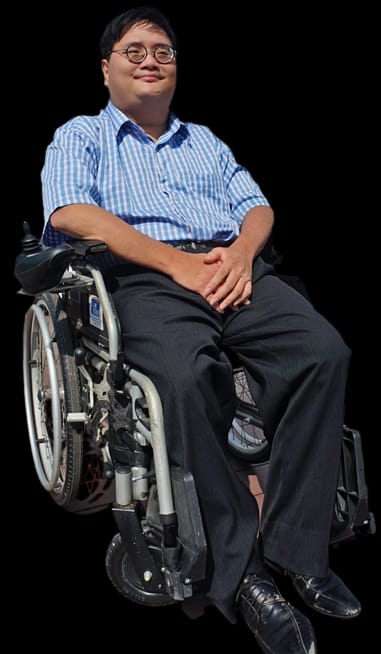
Even though I struggle with health and financial difficulties, I’ve always believed that generosity isn’t limited by circumstances. When I heard about children in the Philippines needing toys and supplies, I didn’t hesitate.
Despite the job market’s bias, you’ve continued to find ways to earn a living. Tell us about your toy resale business and what sparked your interest in vintage toys.
After facing years of rejection in the job market, often because of my disability, I decided to create my own opportunity. That’s how my toy resale business under the name “Lim Kopi” on Carousell began.
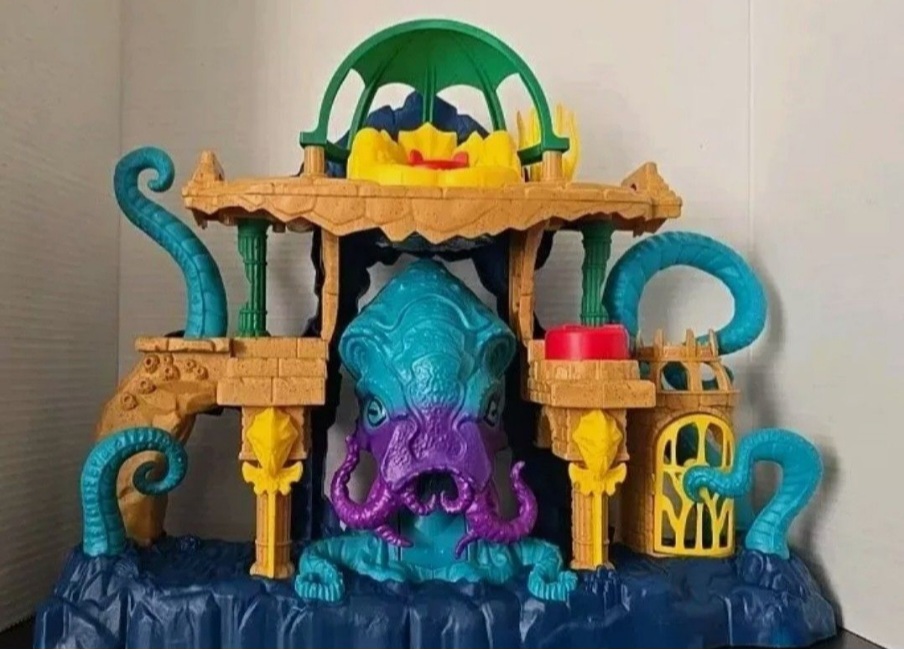
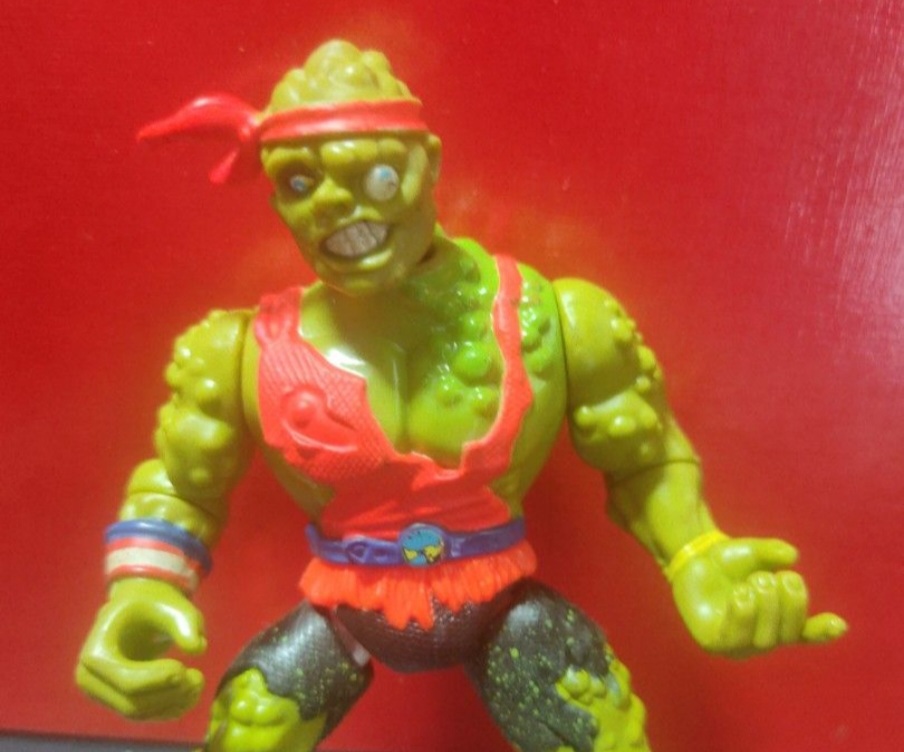
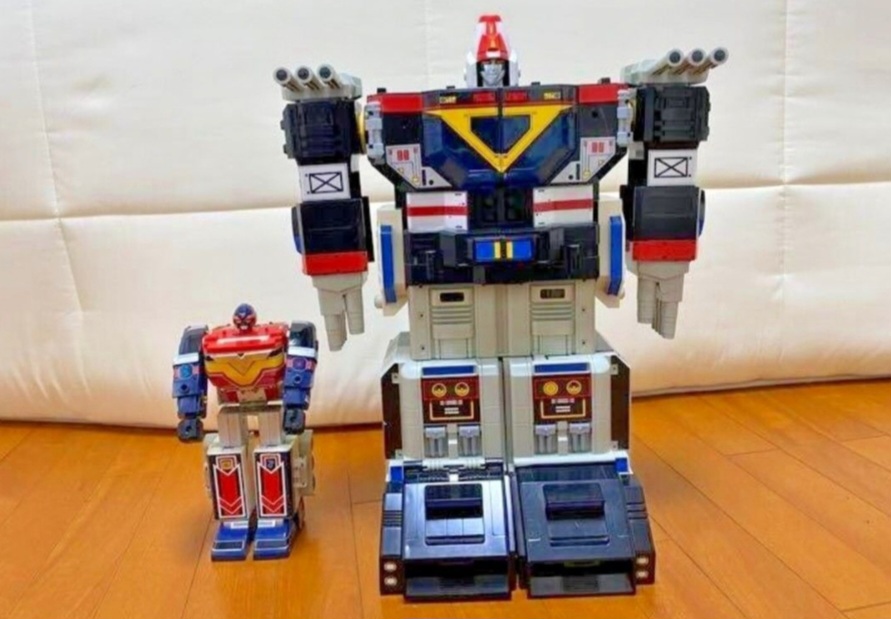
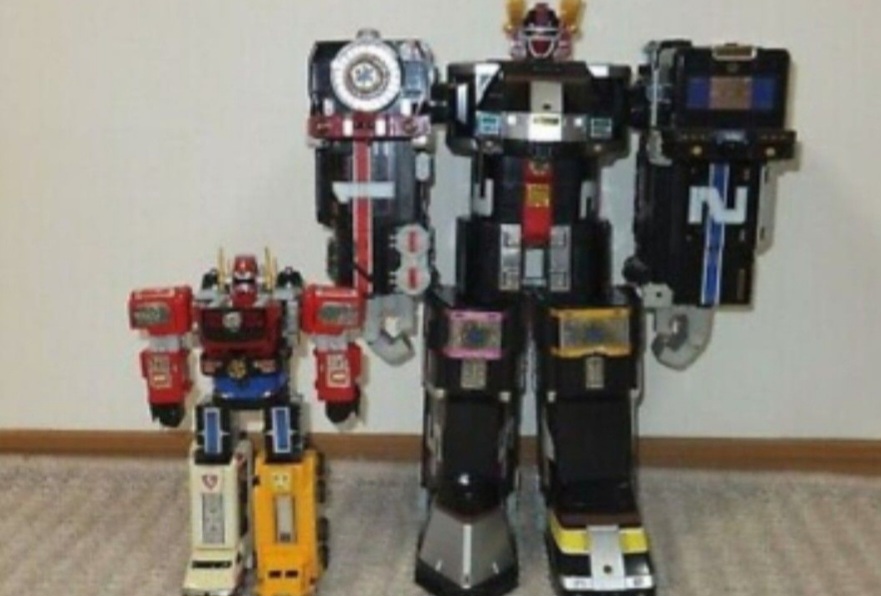
I’ve always had a deep love for toys—especially vintage ones like Transformers, Lego, and Gundam models. Toys carry nostalgia, hope, and a sense of wonder. They remind people of better times.
I go around my neighbourhood collecting discarded toys, sometimes even retrieving them from dustbins. I clean them up, restore them if I can, and resell them. Many people now know me as “Toby the Toy Man,” Singapore’s one-of-a-kind disabled Toy Karang Guni.
I also hope readers who come across this story will consider donating unwanted toys to me, so I can continue this sustainable and meaningful effort.
You’ve also donated toys to a cause in the Philippines, even while facing your own difficulties. What drives your sense of generosity?
Even though I struggle with health and financial difficulties, I’ve always believed that generosity isn’t limited by circumstances. When I heard about children in the Philippines needing toys and supplies, I didn’t hesitate.
I packed a box of good-condition toys and sent them to Adrian Soco, knowing how much joy it could bring. Helping others helps me, too. It reminds me that even in a wheelchair, I’m not powerless. I can still make a difference in someone’s life.
It gives me purpose, and I think that’s something we all need—especially when facing adversity.
What were the most meaningful moments from your journey toward earning your degree in English with Business?
Completing my Bachelor of Arts in English with Business from UniSIM in 2006 was one of the proudest achievements of my life. It was meaningful because I did it despite my condition, despite people doubting me.
I remember attending lectures, doing assignments, and preparing for exams while dealing with mobility challenges. What stood out the most was how literature became a source of comfort and strength.
I saw myself in the stories of underdogs, rebels, and those who defied the odds. It validated my belief in education as a powerful equaliser and gave me the skills and confidence to communicate, teach, and inspire.
For others going through physical or emotional setbacks, what advice or message of encouragement would you offer based on your journey?
My message would be: your limitations do not define you—your response to them does. It’s okay to feel lost, broken, or angry at first. But don’t stay there. Find your why, your reason to keep moving forward. For me, it was family, literature, and toys.
For someone else, it might be music, art, or community service. Seek help when you need it, and don’t be ashamed of your struggles. The road won’t be easy, but it will be yours—and that makes all the difference.
Most importantly, believe that your story matters. You’re still writing it.
What’s your vision for Singapore in the next five years?
My hope is for a more inclusive and empathetic Singapore—one where people with disabilities are not just seen, but heard, valued, and included in meaningful work.
I hope our policies evolve to support PWDs in both employment and independent living. I’d also like to see a Singapore where the arts—especially storytelling, film, and theatre—are more accessible to people like me, who have lived extraordinary lives in ordinary settings.
Everyone has a story, and I hope to help tell those stories through writing, media, or even film one day. And perhaps most of all, I hope for a society where someone like me doesn’t have to keep fighting to be seen as capable. One where we are all given a fair shot to thrive.
Connect with Toby: Facebook and Carousell.