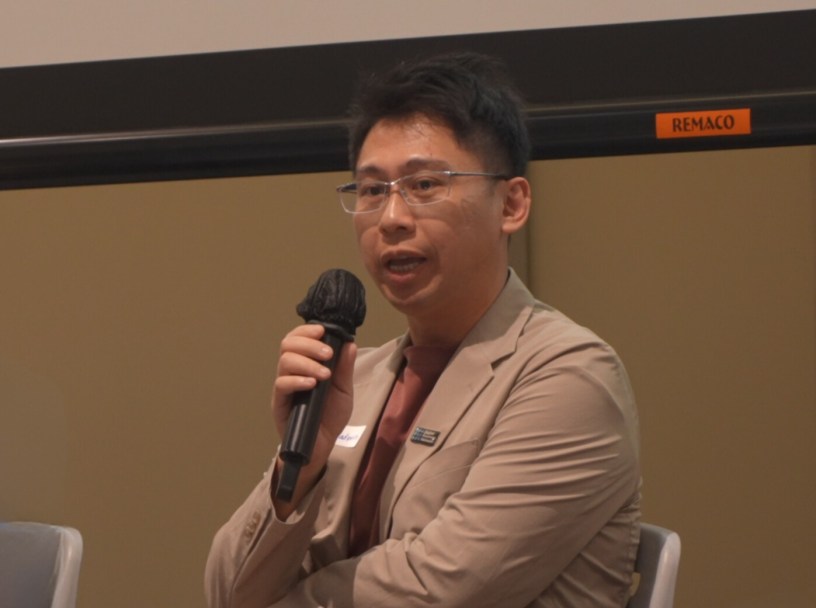
Meet Gladwin, an experienced HR strategist and consultant offering lean and efficient HR solutions tailored specifically for these labour-intensive sectors. With a deep understanding of the industry—shaped by personal experience running an F&B outlet, Gladwin bridges the gap between administrative overload and strategic manpower planning.
Through services like fractional HR support and outsourced payroll management, Gladwin has helped numerous SMEs streamline their operations, reduce costs, and build sustainable teams. His approach is reshaping how small businesses approach HR in Singapore’s evolving employment landscape.
What inspired you to specialise in HR for the retail and F&B industry specifically?
Actually, we’re not only focused on retail—we also manage temporary staffing. The reason I chose to concentrate on these areas is because of my family background. We used to run an F&B business ourselves, selling lor mee.
I’ve had firsthand experience in sourcing manpower and building my own network in this sector. That’s why we decided to focus on it. Also, not many companies are doing this because it’s not easy to find manpower for blue-collar roles.
What are some of the most common HR challenges you see businesses in this sector facing today?
The main challenge is definitely manpower—it’s very hard to find people. Additionally, in the F&B and retail sectors, business owners usually don’t have the time to manage administrative tasks, payroll, or other HR-related responsibilities. These business owners often operate on very tight budgets and focus entirely on their operations.
As a result, they don’t allocate time or resources to maintain proper HR records. This becomes an issue, especially when it comes to fulfilling government requirements like CPF submissions. Because they are so focused on day-to-day operations, they may forget these crucial tasks.
You focus on keeping HR lean and efficient. What does that look like in practice?
We provide fractional HR services. Many companies in Singapore find it expensive to hire full-time staff, and often, they don’t require a full-time headcount to manage their HR needs. By tapping into our resources, businesses can outsource part of their HR work.
This helps them reduce cost and streamline operations. Often, business owners lack knowledge in areas like payroll or accounting. If they were to handle these tasks themselves, the opportunity cost would be much higher.

A lack of proper HR policies can destabilise a company. For any successful business, manpower is a key factor. If turnover is high, it becomes difficult for the company to grow and scale sustainably.
Can you share a success story where your HR strategy significantly improved a client’s operations or team culture?
We recently had a client with a team in Singapore doing administrative work. Due to rising costs, they approached us for advice. After reviewing their processes, we identified that they could outsource some routine work to us.
By doing so, their internal staff were freed up to take on more advanced tasks. This allowed the company to retain existing staff while increasing overall productivity. We helped streamline their processes and contributed to substantial cost savings.
What is your approach to building long-term relationships with your clients?
At the end of the day, it goes back to basics. We believe in being responsive and delivering quality work. Customer service and quality are our top priorities. In our sector, referrals are very important.
A bad reputation spreads quickly, so we always aim to serve our clients well and maintain our reputation through consistent service.
In your opinion, how important is HR in driving business success?
I believe HR is very important, especially for companies looking to expand. Without a good HR structure in place, and if your manpower is not well-managed, many issues can arise.
A lack of proper HR policies can destabilise a company. For any successful business, manpower is a key factor. If turnover is high, it becomes difficult for the company to grow and scale sustainably.
Recruiters pay attention to the language applicants use. What are some trigger words potential employees should avoid, and why?
During interviews, applicants should avoid bringing up salary at the very beginning. It’s better to first showcase your skills and relevant experience. Focus on what you can offer to the company, not just what you want for yourself.
If a candidate focuses too much on their own needs and expectations, it may show a lack of alignment with the company’s goals—and that often means they won’t stay long in the role.
What’s your vision for Singapore in the next five years?
With AI and technology rapidly advancing, and more retrenchments already taking place, I foresee more people being displaced from traditional jobs. Although upskilling is encouraged, many programmes are too surface-level or too short—lasting just a few days to a few months.
This is not enough for someone, say in their 40s, who has been retrenched and is trying to enter a new field. The mismatch between salaries, experience, and job expectations will make it even harder for these individuals to find employment.
As a result, I believe more people will turn to freelancing, contract work, or entrepreneurship to offer their skills on a project basis. Companies benefit too, since they can reduce costs without compromising on expertise.
In the next five years, this will become a common trend and an important part of Singapore’s employment landscape.
Connect with Gladwin: HREvolve, LinkedIn and Facebook.


Really appreciate the practical and grounded perspective here. It’s clear Gladwin’s hands-on experience in F&B gives him a rare understanding of the HR pain points most consultants miss. Fractional HR support is such a smart solution for lean businesses.
LikeLike