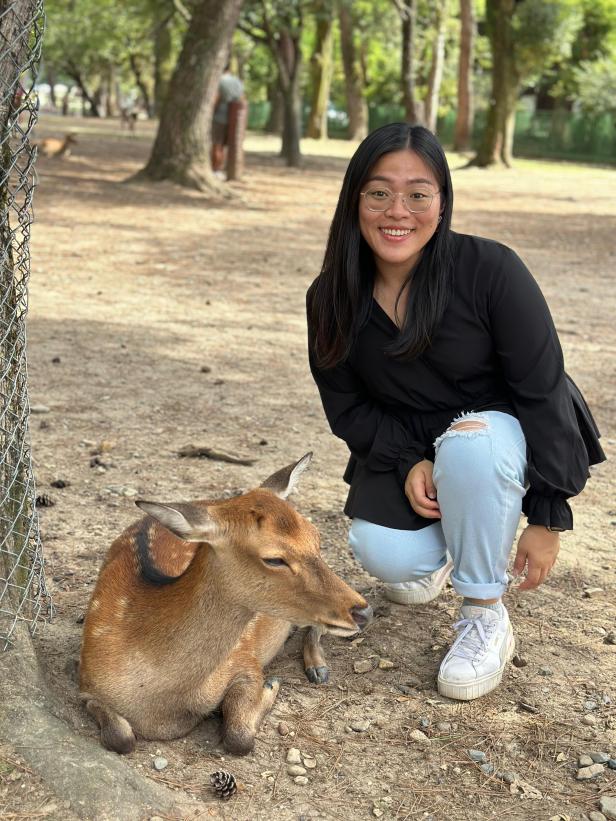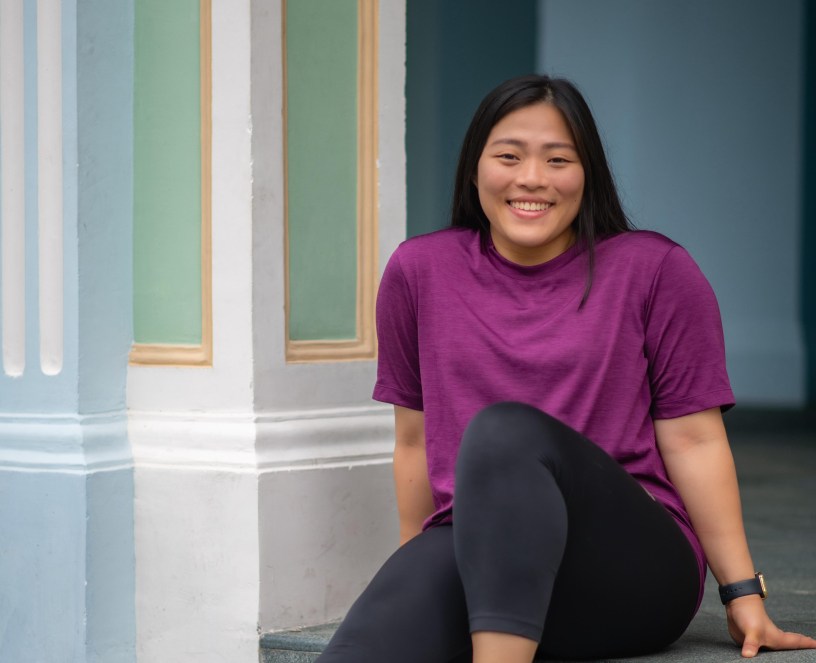
Meet Qistina, a passionate body recomposition coach in Singapore who turned her personal battle with childhood obesity into a mission to help others achieve lasting health. After years of struggling with crash diets, low self-esteem, and ineffective fitness programmes, Qistina discovered the power of body recomposition—a science-backed approach that focuses on fat loss and muscle gain, not just numbers on the scale.
Today, Qistina works with busy professionals and individuals from all walks of life, helping them achieve real, sustainable results without extreme diets or unrealistic routines. Her coaching philosophy goes beyond fitness; she focuses on mindset, emotional resilience, and creating tailored strategies that fit seamlessly into modern lifestyles. Her journey is proof that true transformation begins with self-awareness, support, and the right strategy.
What inspired you to become a body recomposition coach, and how did your personal journey overcoming childhood obesity shape your coaching philosophy?
I suffered from childhood obesity since young, so growing up, weight has always been a problem. I started my journey of weight loss at around 12. But of course, during that whole time—since I was 12 years old until now—I had been trying many ways to lose that weight. I’ve tried a lot of crazy diets. I’ve done things like totally cutting carbs out of my diet for months.
I’ve focused on food fads, tried tea detoxes, and followed a lot of other people’s programs. I’ve also done crazy, vigorous exercising and even gone to hospitals and psychiatrists for help, including the Health Promotion Board. But nothing really seemed to work for me—until I was 21 years old.
When I came across the concept of body recomposition, it took me a while to understand it and to see how it could work for my body. When you’ve been trying to lose weight for too long, you eventually start to wonder if you’re just made this way—if you’ll ever be able to lose weight. Eventually, what helped me achieve progress and lose 16kg was really understanding my body and why it was the way it was.
Many people had focused only on telling me to diet and exercise, but that’s only one way to manage weight and health. What no one considered was how stress, sleep cycles, hormones, and nutrition all interact. Once I managed these elements holistically—with proper sleep, stress management, nutrition, and exercise—everything balanced out.
That’s when I finally saw results. I realised too many people who suffer from obesity are judged for being ‘lazy’ when in fact, they’ve not been shown a sustainable or realistic path. That’s what made me want to help others.
So many professionals struggle with fitness due to their demanding schedules. I really came to understand that busy professionals—despite having hectic schedules—don’t give up on health because they’re lazy. It’s just that they’ve not yet found a method that matches their lifestyle. Once I understood that, I realised they are willing to put in the effort, but they need something that fits into their lives.
Even with inconsistent sleep, limited time to eat properly, and high stress, there are still adjustments that can be made—like increasing protein intake or improving metabolism through small, manageable changes. It’s really about customising a plan that works for their life, health status, and personal goals.
What are some common misconceptions about body recomposition that you often encounter?
The biggest misconception is that too many people are fixated on the number on the scale. They worry whether their weight is dropping, when in fact, body recomposition is about burning fat and building muscle. Muscle is heavier than fat, so the scale may not change much, but the body visibly transforms.
The second misconception is that people think eating less is the answer. In fact, insufficient nutrition slows down fat loss. You need enough nutrients for your body to burn fat effectively. So those are the two biggest misconceptions.
Can you walk us through your typical approach when coaching a new client?
First and foremost, it’s about understanding where they are currently with their health and body. Then I find out where they want to go. The thing about weight loss or achieving a better physique is that different people have different levels of commitment. Once I understand how much they’re willing to put in, I tailor adjustments to their eating habits, exercise, hydration, and sleep. Everything is customised to the individual.
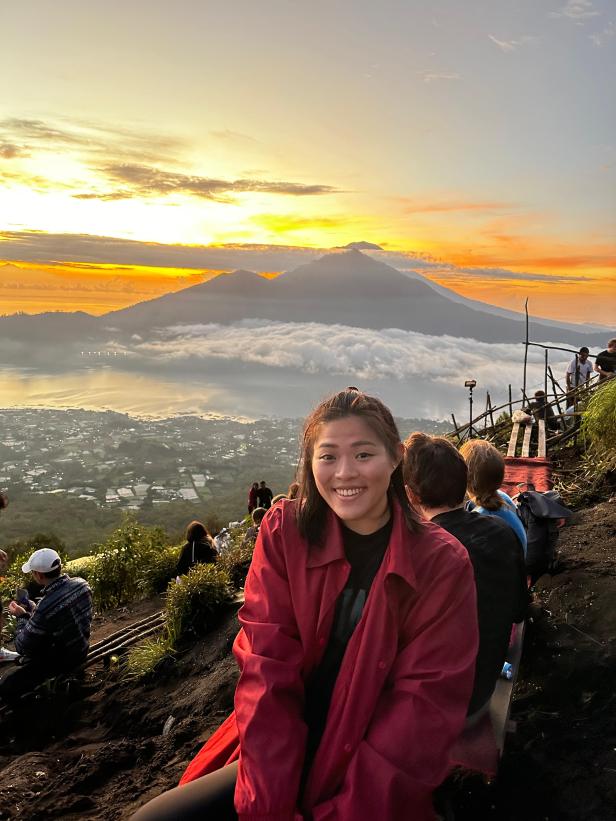
The biggest misconception is that too many people are fixated on the number on the scale. They worry whether their weight is dropping, when in fact, body recomposition is about burning fat and building muscle.
How do you help clients stay motivated and consistent, especially when progress feels slow or life gets in the way?
Being there throughout the journey is key—understanding their emotional highs and lows and why they wanted to achieve their goals in the first place. Many busy professionals forget their goals when work gets overwhelming. I make sure they know I’ll be here whenever they’re ready to get back on track. That helps tremendously.
I also remind them that slow progress doesn’t mean failure. Sometimes they think they’re back at square one, but actually, they’ve just slowed down, not regressed. As a coach, I help them see their progress more clearly and stay encouraged. My support doesn’t stop at 90 days; I walk the entire journey with them until they hit their goal.
Can you share a real-life story where your coaching transformed someone’s life?
Yes. I worked with someone who deeply resonated with my personal journey. We’re the same age, and she also struggled with childhood obesity and constant yo-yo dieting. Her starting weight was over 101kg. She faced isolation, judgement, and very low self-esteem. I understood her emotionally, and she badly wanted to lose weight, but didn’t believe her body could do it. It took months to gain her trust, but when she saw that I genuinely cared, she gave it a try.
We didn’t do anything magical. We worked on nutrition, mindset, and sustainability. And slowly, she started to change. Today, she sends me selfies every two weeks to show her progress. She hasn’t reached her goal yet, but her confidence has grown tremendously.
She has started socialising, she’s now volunteering for NDP, and she recently got a promotion at work. It’s not just about weight loss—it’s about transforming quality of life, mental well-being, and self-belief. That’s why I do what I do.
What advice would you give to someone who has tried multiple fitness programmes but has not seen lasting results?
Don’t give up yet—but also, don’t try everything blindly. There is a solution out there for you, but you need to take the time to find it and to truly understand it. Everyone’s body works differently. Sustainable change takes time, and your job is to find the method that fits your body and your life, and then commit to working on it.
What’s your vision for Singapore in the next five years?
I think Singapore is heading toward a greater awareness of holistic wellness—not just aesthetics or rigid fitness goals. The idea of a total wellness space is still new here, compared to Western countries where it’s more common. But I see it growing in the next five years.
People are starting to understand their bodies better and are looking for personalised, sustainable ways to stay healthy. Health and wellness won’t just be for young or fit people anymore—it will become something that’s accessible and achievable at any age. I hope that more people realise that health is limitless and that every person has the right to feel strong, confident, and empowered in their own body.
Connect with Qistina: LinkedIn and Instagram.
Qistina is a member of Rainmaker, a revolutionary movement that rallies like-minded people together based on the values of Love, Authenticity, Respect, Kindness and Youthfulness (LARKY).