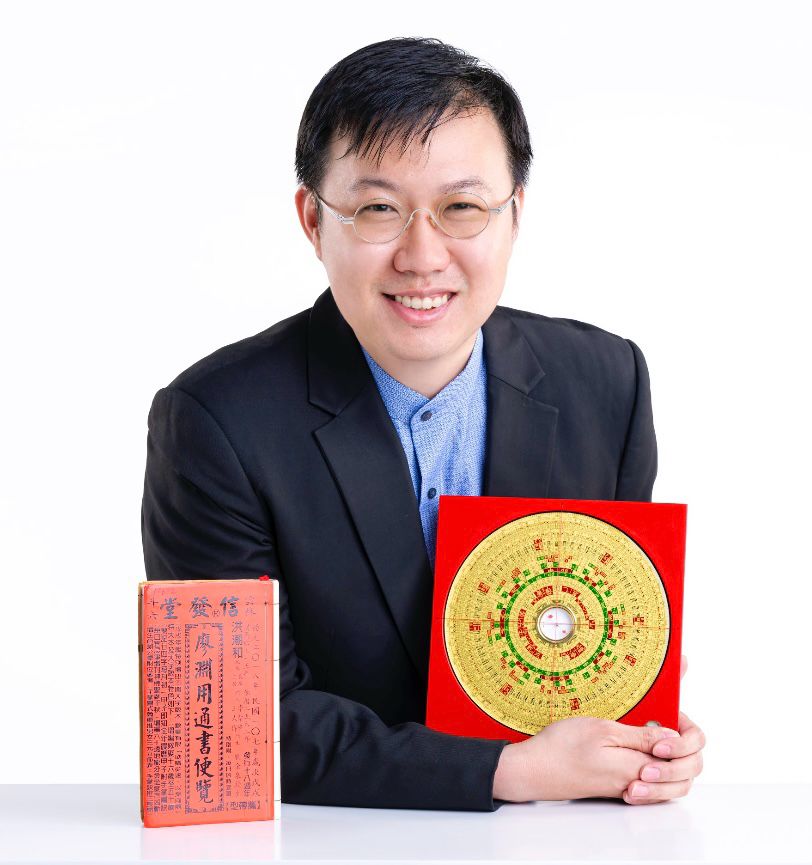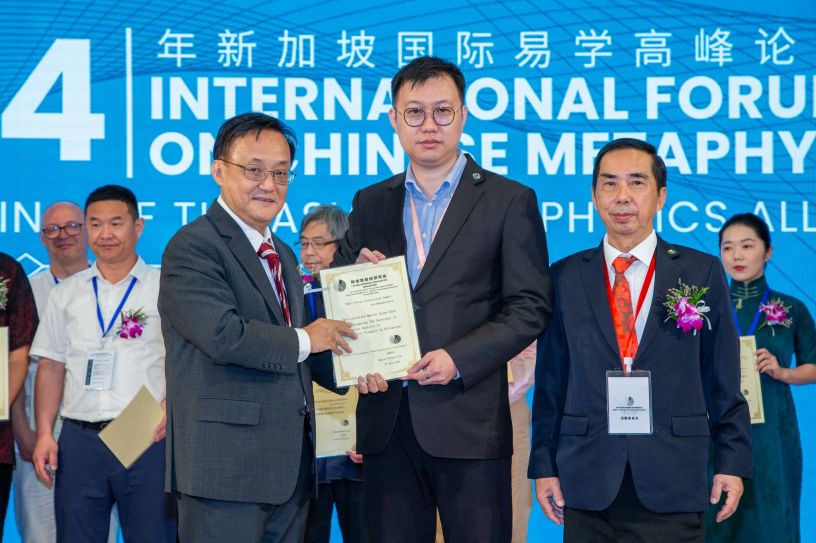
Meet Jason, a seasoned Singapore-based Feng Shui consultant and metaphysics practitioner who shares how he bridges traditional Chinese wisdom with contemporary life. From his early skepticism to mentoring clients through life-altering transformations, his approach blends BaZi diagnostics, Feng Shui principles, and modern tools like software and drones to provide clarity and healing.
In a world increasingly driven by data and digital tools, there remains a powerful curiosity around ancient practices that speak to harmony, energy, and self-discovery. Whether advising a struggling banker-to-be or uplifting someone in emotional crisis, Jason shows us that metaphysical guidance, when applied with integrity, can be both practical and profound.
What first drew you to the study of metaphysics, and how did your journey into Feng Shui begin?
A Taiwanese master came to Singapore and I did some translation work. At that time, I was very young and didn’t believe in such things. But through the translation, I also saw testimonials from his customers.
That’s how I got interested bit by bit. Eventually, I had my own fortune told. My teacher said, why not continue and try this line? I said OK, and that’s how it all started.
How do you integrate traditional Chinese metaphysics with modern Western approaches in your consultations?
Nowadays we talk about gender equality, which was not emphasised in the past. In the past, when the woman’s chart was ‘too strong’, old masters would say she ‘克夫’—meaning she would jinx her husband.
Obviously, in today’s time, we can’t read it that way. So we adjust according to modern societal values. For instance, in the past, when we say someone has a strong Sha Qi, it doesn’t necessarily mean death. It could mean bad health, and we would just advise the person to go for a check-up or visit the hospital.
Technology-wise, because there is so much to remember, we now use phones, drones, 360° cameras, and even computer software to document things—especially for drawings and charts.
For example, BaZi has evolved into a format we can use with software. It’s much faster now. In the past, when I was learning, we had to flip through many books and it took around 30 minutes to produce one chart. Now, with software, it takes 5 to 10 minutes.
Also, people’s lives have become more complex. In the past, if you were a farmer, you only did one thing. Now, one person may run multiple businesses. So the way we read BaZi has to change as well.
Many people are unfamiliar with BaZi. Can you explain how is it different from Feng Shui, and how both can work together?
Actually, when we talk about Chinese metaphysics, we refer to 天地人—Heaven, Earth and Man. Each of these three aspects includes many techniques. Tian refers to time, such as auspicious dates and BaZi.
Di refers to the environment—the place you stay or your family background. Ren refers to the person. All three must be in harmony. When we talk about Feng Shui, we sometimes mix it with other methods, but BaZi and Feng Shui are different schools. BaZi is a diagnostic tool for your life. Feng Shui works on the place, especially on directions.
We cannot just analyse a person using Feng Shui alone. Feng Shui must benefit someone at a particular time. So Tian, Di, Ren must align. Sometimes, if the BaZi shows difficulties, we can use Feng Shui to resolve or improve the quality of the chart.
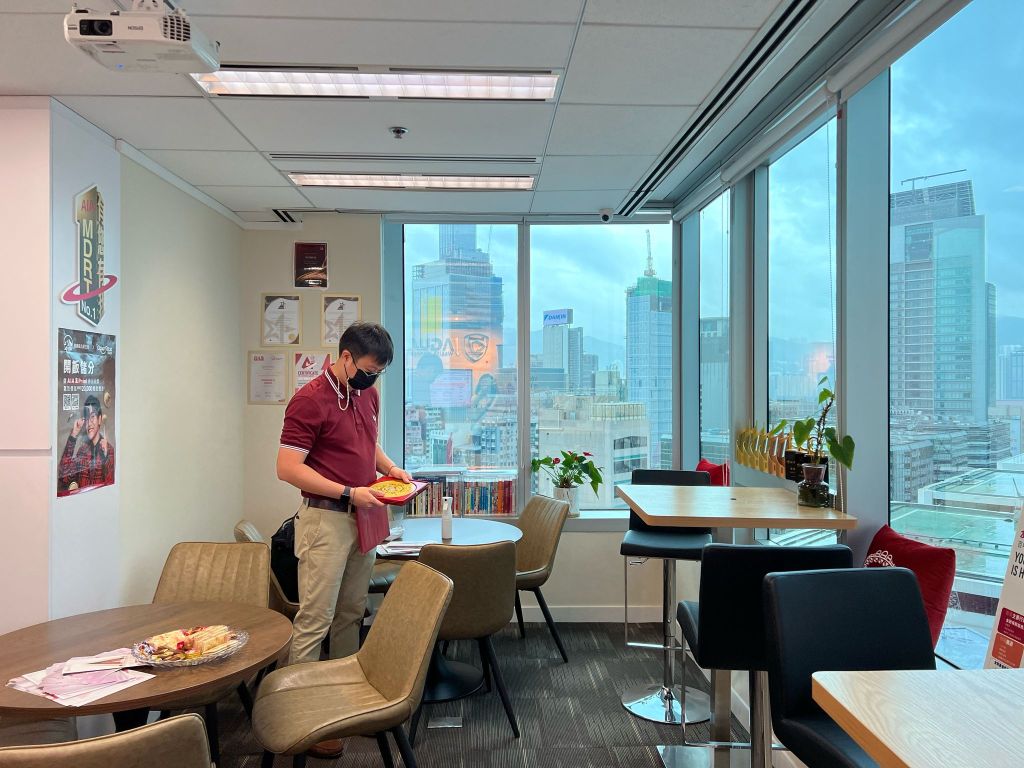
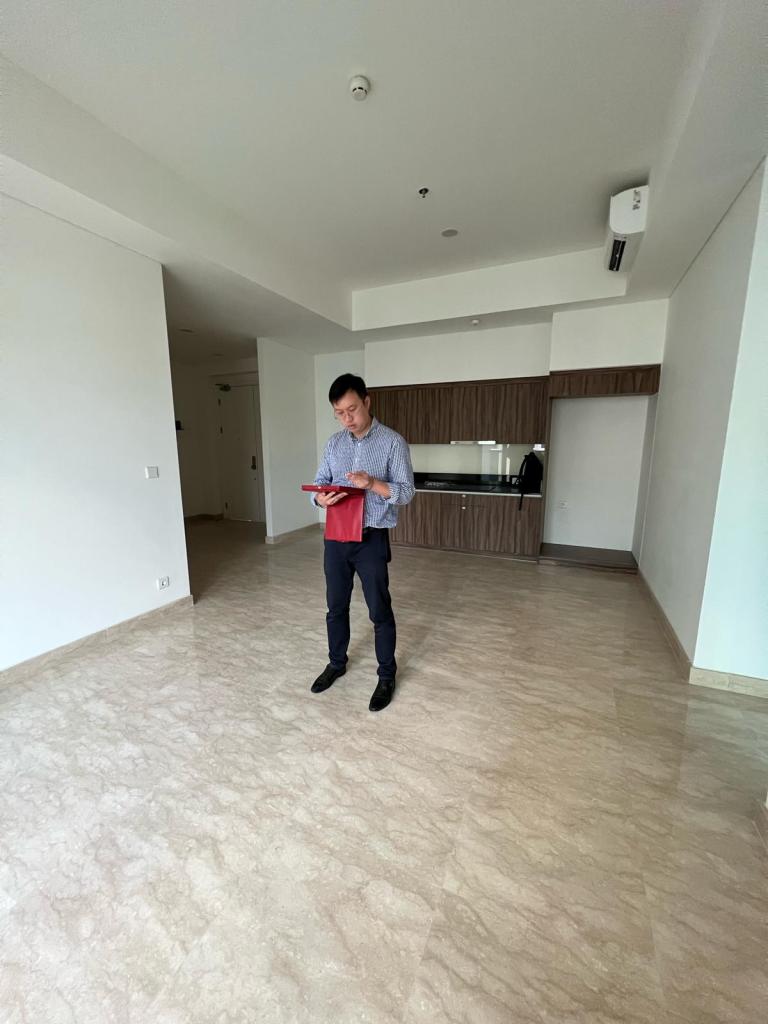
She was staying in a big house alone, and I advised her to move to a smaller unit. In Feng Shui, the house controls the people, and her space was too big and had stagnant energy. She followed my advice and feels much happier now.
What are a few common misconceptions people have about Feng Shui and metaphysics, and how do you address them?
One of the most common misconceptions is that Feng Shui is a religion. Because Feng Shui originated from China, people tend to associate it with Buddhism or Taoism, which is not true.
In fact, Feng Shui was not originally called Feng Shui—it was called Kan Yu, which is the study of landscape. It was used for survival and prosperity. There is no religious element. Also, people think Feng Shui is superstition, but it’s not. Superstition is based on tales without structure.
Feng Shui and BaZi are structured systems. We have five elements, 12 horoscopes, characteristics, and formulas. One thing I admire about the Chinese is that they were able to turn observation into calculation.
For example, they created the Luo Pan, the Chinese compass, which has many rings filled with formulas and data to analyse the environment. It’s not just about direction. Some simplified teachings, like ‘45° from your door is your wealth sector,’ come from Tibetan Black Hat Feng Shui, which is influenced by American thinking to help people remember. But in traditional Feng Shui, finding the wealth sector is not so simple.
Also, Feng Shui techniques are passed down and refined by generations. If a technique sounds too simple, like placing a table at 45°, you need to question whether that information is reliable. Everyone has a different BaZi chart.
Can you share a memorable transformation or success story from one of your clients who applied your recommendations?
I have two, but I’ll share one first. This person was referred by my hairdresser. He was a salesperson in a catering company. I looked at his BaZi chart and it was above average, so I asked him why he ended up doing sales in catering. He said life wasn’t going well and he didn’t even have a diploma. I advised him to consider the finance line.
It wasn’t easy because to be a banker you need certain qualifications. But he took my advice, went back to study, and even though he almost gave up a few times, he pulled through. Now he is a banker in a local bank, owns a car, is happily married, and has a kid. He didn’t believe in himself at first, but I believed in him.
The second story involves an auntie referred to me by my client. She felt her life was bad and was on the verge of suicide. I looked at her BaZi chart and told her she just needed to hang in there—it would improve after a few months.
She was staying in a big house alone, and I advised her to move to a smaller unit. In Feng Shui, the house controls the people, and her space was too big and had stagnant energy. She followed my advice and feels much happier now.
Why do you think auspicious dates and timings are important for events like business launches and weddings?
As I mentioned earlier, it comes back to Tian, Di, Ren. Tian represents timing. Everything has a right time. Even the day we were born carries energy and life purpose. So picking a good date helps to align with that energy. It doesn’t guarantee success, but it helps. Success still depends on the individual.
BaZi is the person, Feng Shui is the place, and timing is the Heaven component. If you have a good house and a good BaZi, but not right timing, it’s like having no key to unlock the potential. Picking the right date activates the energy.
What advice would you give to someone who feels disconnected from his or her path and is considering using metaphysical guidance?
I would say use it as another perspective. It is not a guarantee—we talk about possibilities. BaZi is something you can see and analyse. You can reflect on your life and see what improvements can be made.
Don’t blindly chase wealth. There are other aspects like health and relationships. These are important too. I always joke: you never see a sick person get lucky. So in order for your luck to be good, the first criteria is to be healthy.
What’s your vision for Singapore in the next five years?
Despite the elections, I still think Singapore will do well economically. There will be more growth through digital means as we move into the 9th cycle of the period. We will see more women stepping into leadership roles and more diversity in leadership.
People will also become more image-conscious and materialistic. So the future may become more materialistic, but Singapore will continue to develop in that direction.
Connect with Jason: WonYan Consult, Facebook and YouTube.
Jason is a member of Rainmaker, a revolutionary movement that rallies like-minded people together based on the values of Love, Authenticity, Respect, Kindness and Youthfulness (LARKY).