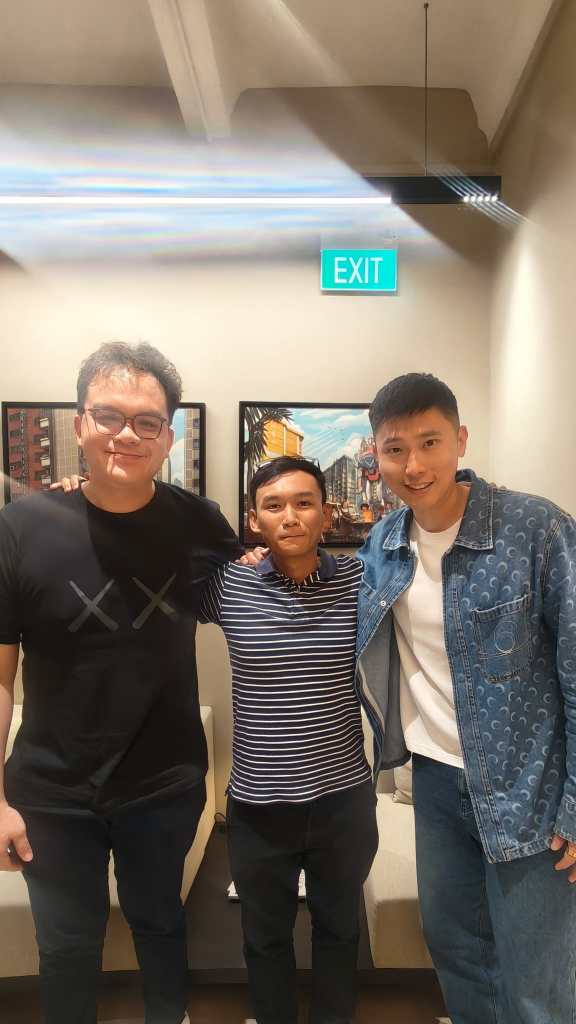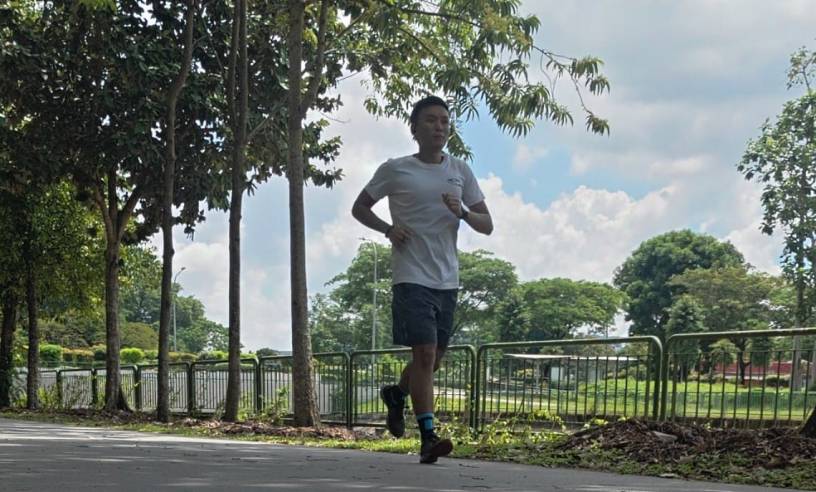
Meet Jin Feng, a dedicated personal trainer with a passion for guiding individuals toward sustainable fitness success. With years of hands-on experience, he specialises in helping clients set realistic and manageable fitness goals tailored to their unique lifestyles and needs.
Through personalised and structured workout programs, Jin Feng empowers clients to build confidence, stay consistent, and achieve lasting results—whether it’s weight loss, muscle gain, or overall health improvement. With a supportive and motivational approach, he is committed to making fitness both achievable and enjoyable for everyone.
What inspired you to become a personal trainer?
I think what inspired me to become a personal trainer started with my own life journey with fitness. From a young age, my parents tried to feed me a lot, and by primary school, I was already considered quite overweight. Eventually, I realised I was actually quite unfit. When I was young, the only thing I knew about health and diet was dieting.
Sadly, in secondary school, I resorted to unhealthy habits like skipping meals. I now regret that because it affected my growth, especially during those crucial teenage years. Later, in JC, I realised I had to enter National Service soon and needed to do something about my health and fitness.
I started rock climbing and began learning more about fitness and strength training—from both dietary and exercise perspectives. The turning point for me was during COVID. Like many people, I became lazier during the lockdown. We had to stay at home, couldn’t go out much, and often resorted to takeaway food.
After the circuit breaker ended, I realised I was in really bad shape. That’s when I seriously looked into fitness. I started monitoring myself and focused on becoming healthier. From there, I saw potential in helping others become better and fitter versions of themselves too.
Can you describe your process of developing a personalised, structured fitness programme that suits each client’s unique needs?
Initially, I started with a very general approach—a standard template to assess exercise needs and dietary habits. As I worked with more clients, I refined my process. Now, I start by understanding their current level of activity and their goals. From there, I create a realistic approach that allows them to achieve at least half of their target, with room to go further by the end of the programme.
Some clients come in with unrealistic goals—for example, wanting to lose 30kg in just a few weeks. While it might be possible through extreme methods, it’s not sustainable or healthy. I usually guide them to reach midway targets first, then evaluate progress and adjust accordingly.
I tailor their programme based on the information they share, and I prioritise educating them as part of the process. Communication is key for understanding how to support them on their journey.
What are some common challenges your clients face when embarking on a new fitness journey, and how do you help them overcome these challenges?
A common challenge is misconceptions around exercise and dieting. Most people lean heavily toward one side—they either focus entirely on workouts and neglect diet, or they’re strict with dieting but lack physical activity. I help them understand that both aspects are essential.
The underlying philosophy I follow is the calorie in, calorie out principle—covering both diet (calorie intake) and exercise (calorie output). For those aiming to lose weight, I explain that the body is mostly made up of water, so temporary weight changes—such as a 1–2kg drop after going to the toilet—don’t represent real fat loss.
I teach them to focus on long-term body composition goals, like reducing fat and increasing muscle mass, rather than obsessing over the number on the scale. We sit down to educate and explain things clearly.
After a few explanations, and sometimes using videos or infographics, most clients become more open to learning and adjusting their approach.
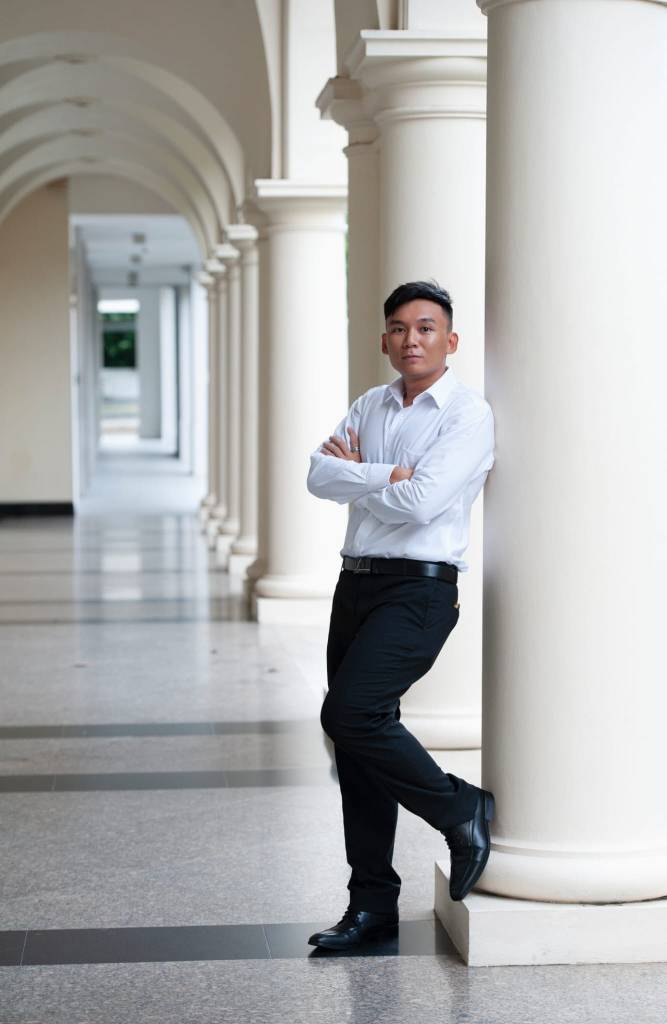
From a young age, my parents tried to feed me a lot, and by primary school, I was already considered quite overweight.
How do you monitor progress and adjust a client’s programme to ensure they continue to improve without feeling overwhelmed?
I think it depends on how engaged the client wants to be. Some prefer daily check-ins and structured monitoring, while others are fine with weekly or bi-weekly sessions. We adjust based on what works best for them.
To avoid overwhelming them, I often introduce short-term transformations—such as taking regular progress photos or noting small changes in body measurements. Seeing visual progress, even in a few days or weeks, can be very motivating for most people.
What are some misconceptions about weight loss that you wish to debunk?
A major misconception is that weight loss is simply measured by stepping on a scale. But the human body is composed of many components—muscle, bone, fat, water, and nutrients. These all contribute to overall weight. Many people focus solely on scale weight.
But fast weight loss usually comes from water and muscle loss, not fat. This can result in an unhealthy body composition—where fat makes up a larger percentage of the body despite overall weight being lower. That’s why I emphasise body fat percentage and muscle mass ratio as the key indicators.
The real goal should be to increase muscle mass (for functional strength) and reduce body fat (for aesthetics and health). This leads to a healthier, leaner, and more confident version of yourself.
Can you share a success story where your personalised approach made a significant difference in a client’s life?
The most memorable success story for me is actually my first client—a relative. I noticed his lifestyle needed improvement and offered to design a structured plan to help him. Since I was new in the industry, I learnt a lot along the way. I was happy to see significant changes in his physical appearance and overall health. It was very rewarding.
However, after the programme ended, I noticed he slightly relapsed. That’s when I realised the importance of sustainability. Many clients can follow a plan religiously for 90 days, achieve results, then return to old habits once the programme ends. My current focus is on creating sustainable programmes that clients can follow independently—so even without a trainer, they can continue leading a healthy lifestyle long term.
With so many evolving fitness trends and technologies, how do you stay updated and incorporate them into your training programmes?
The issue with fitness trends is that new research comes out almost daily. For example, with creatine—one day it’s touted for improving weight loss, the next it’s linked to better sleep, and then someone claims it damages muscle.
One concern I see is the growing use of steroids overseas. There’s a glamorisation of muscular physiques online, and younger individuals are turning to performance-enhancing drugs without understanding the risks.
Some influencers who appear “natural” may actually be using such substances, but their bodies don’t respond as visibly. This sends mixed signals to the public. There’s a lot of conflicting information.
I try to test things on myself first. If it works for me, it’s more likely to work for others. I also take fitness research with a pinch of salt and evaluate the context behind the findings. Not every study applies to everyone.
What’s your vision for Singapore in the next five years?
I see a lot of initiatives promoting healthy ageing and greater awareness of health. In the next few years, I think more Singaporeans will take charge of their well-being, which is a positive direction.
I hope to see the emergence of a strong health and wellness community—one that’s focused not just on weight loss, but on meaningful lifestyle changes.
As Singapore is an ageing society, I also hope we can support older adults in improving their quality of life through fitness and nutrition. Everyone should be able to enjoy our small island fully, regardless of age.
Connect with Jin Feng: Jinbrp, LinkedIn and TikTok.