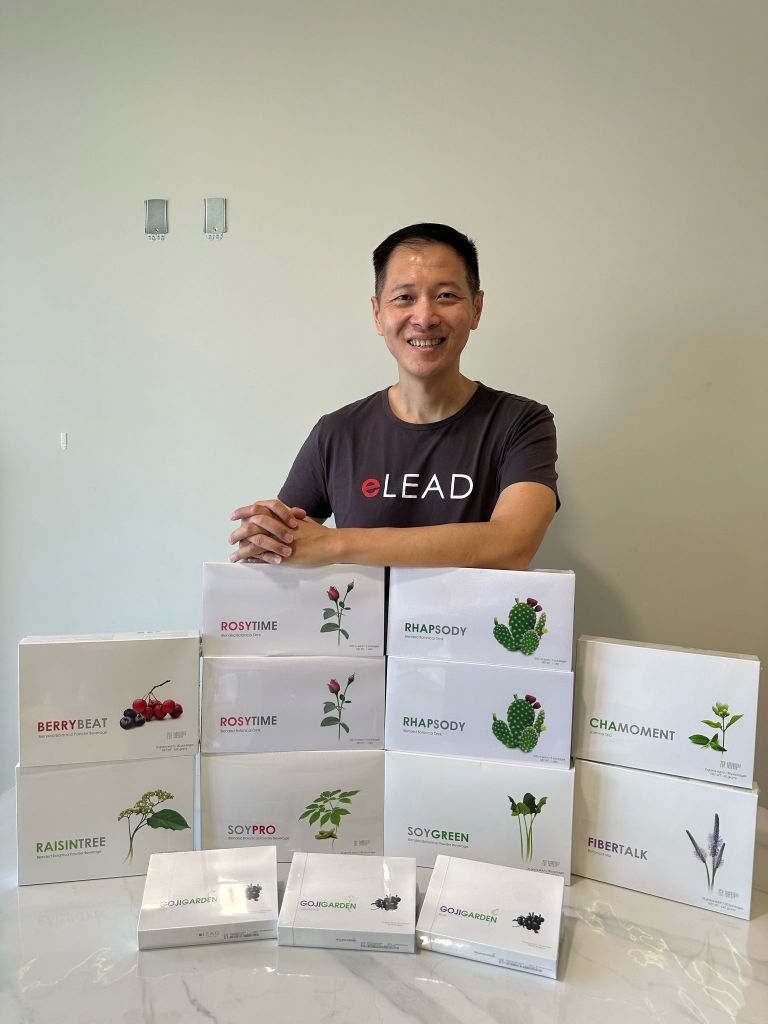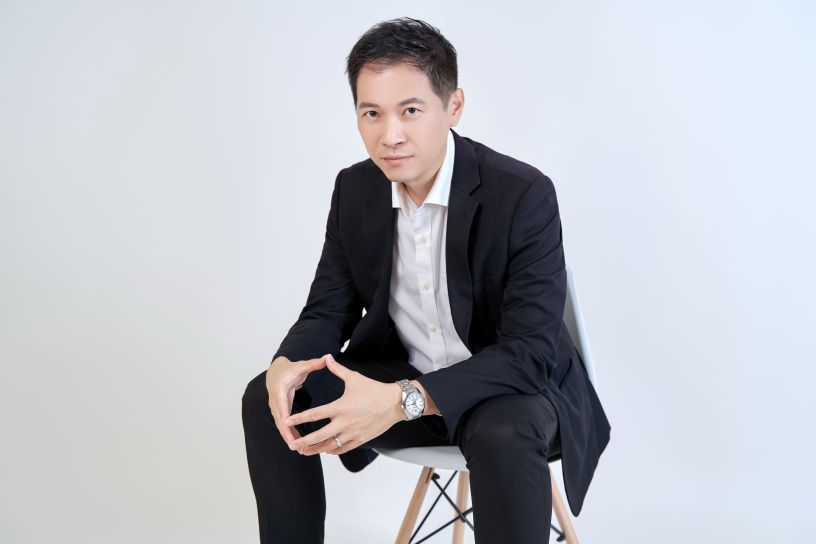
Meet Hong Yang, the founder of SafeSupermarket, an entrepreneur driven by a mission to educate the public on the importance of correct health knowledge and immune nourishment. With a firm belief that health begins with awareness, he empowers individuals to make informed choices about their nutrition by debunking health myths and highlighting the risks of relying on misleading or synthetic products.
Hong Yang centres on helping people understand how to choose the right sources of nutrients—primarily from wholesome fruits and vegetables—and how these support a strong immune system. Through SafeSupermarket, he offers a safe and convenient platform for people to access these essential nutrients, bridging the gap between knowledge and everyday healthy living.
What inspired you to focus on educating people about the importance of correct health knowledge and immune nourishment?
I don’t know whether you have any friends or relatives who suffer from certain chronic diseases such as heart disease, high blood pressure, high cholesterol, or diabetes. Based on your understanding of these chronic conditions, do you think people are getting healthier under medical treatment?
You can see that doctors treat symptoms rather than the root cause. This brings me to my story. Back in my mid-30s, I had a serious sinus problem caused by work stress. At the time, I went to the doctor, as most people would. I was prescribed medication, took it, and my symptoms improved—but after a while, the sinus issues returned due to ongoing stress.
This cycle repeated multiple times, and I became frustrated. One day, my wife suggested I try a product made from wholesome, plant-based food that nourishes the immune system. I gave it a try, and after some time, I realised my sinus issues never came back.
I was still sceptical, but then I went back to unhealthy eating—especially my favourite food, laksa. I would eat it two or three times a week. During a health check-up, I found out I had high blood pressure and high cholesterol. The doctor advised lifestyle changes or medication.
I was prescribed fish oil and some supplements, but they didn’t improve my condition. That’s when I started researching nutritional immunology. I discovered that the best doctor is our own immune system. I began consuming more plant-based foods to nourish my body.
Eventually, my blood pressure and cholesterol levels normalised. I even lost weight—of course, this had to be coupled with a healthier lifestyle and regular exercise. That’s how I came to understand the importance of correct health knowledge, because it happened to me.
How do you get clients to choose products that truly benefit the body and avoid those that may cause harm?
Many of us grew up watching TV, and a lot of people still get their health knowledge from television advertisements. But how do we know this information is accurate if we never verify it?
When we invest money, we research thoroughly. Those who don’t often end up losing money. Similarly, when it comes to health, if we don’t research, we may be misled. So I educate my clients with correct health knowledge.
There are many myths in the market, and I address these myths directly to help people understand the truth. That’s the starting point for guiding them to become healthier.
What are some of the most common health myths you encounter in the market, and why is it crucial to dispel them?
There are many common health myths. Take bone health, for example—people think they should take calcium supplements. But did you know that not only do they not help, they may increase your risk of cardiovascular disease?
Many studies by health institutes have shown this. So if a doctor isn’t updated on current information and prescribes calcium pills for osteoporosis, it might not help the patient and could even harm them.
Another myth is about collagen. Many believe that taking collagen improves skin, and they consume fish collagen or pig skin for that reason. But our bodies can produce collagen naturally. Of course, collagen production decreases with age, which is why we need to keep our immune systems young by eating antioxidant-rich plant-based food.
Collagen from animal sources is too large at the molecular level and must be broken down in the body. What you’re left with are amino acids, not collagen. So eating pig skin just adds fats and cholesterol, which leads to high blood pressure and cholesterol. That’s why having the correct health knowledge is so important.

Recently, a study from The Lancet in 2017 showed that poor diet is responsible for one in five deaths globally—more than smoking. So diet is closely linked to health.
Why do you believe wholesome fruits and vegetables are superior to other nutrition sources, and how do you communicate this to your audience?
Recently, a study from The Lancet in 2017 showed that poor diet is responsible for one in five deaths globally—more than smoking. So diet is closely linked to health. Why are wholesome plant-based foods superior?
Let me ask: would you choose a vitamin C pill or an orange? Most people say orange—because it’s natural. A vitamin C pill only gives you one nutrient, while an orange provides hundreds of phytonutrients that support the immune system.
Nature provides more than we often acknowledge. Mother Nature is wiser than we think.
What challenges have you faced in shifting consumer mindsets from supplement reliance to whole food nutrition?
Many people are drawn to technology. They think highly of high-tech products, especially synthetic supplements, believing they are better just because they’re made in the US or Switzerland. But synthetic vitamins have side effects—maybe not in the short term, but definitely in the long term.
For example, excessive vitamin C can lead to kidney stones. Too much vitamin B can damage the liver. People don’t realise this because, 20 or 30 years ago, such supplements were seen as prestigious. When people travelled to the US, they’d bring back vitamins.
But over time, research has proven that synthetic pills have side effects. People must understand that choosing health products based on marketing claims isn’t wise. They need correct health knowledge to make informed choices and be wise consumers.
What do you think makes a good entrepreneur?
A good entrepreneur must have sincerity and a mindset of adding value to others. Entrepreneurs are not the same as businessmen. Entrepreneurs create value, and through that value, they earn. We must be sincere in wanting to improve other people’s lives—and the money follows.
What are your future plans for SafeSupermarket to expand its reach or introduce new services that further support access to wholesome produce?
My future plan is to continue educating the public with correct health knowledge. As I’ve shared, this knowledge can save lives. I also want to highlight that prevention is better than cure. Prevention can be cheaper than treatment.
Our mission at SafeSupermarket aligns with this direction. I hope to support this shift through continued education and access to wholesome products.
What’s your vision for Singapore in the next five years?
In Singapore, we’ve already seen the government shifting its healthcare focus from cure to prevention. This shows they recognise the long-term savings and health benefits of prevention.
My vision goes beyond Singapore. I want to bring correct health knowledge to people worldwide. Whether they’re in Singapore or overseas, I want to help more people understand and appreciate the importance of preventive health and whole food nutrition.
Connect with Hong Yang: Facebook and Instagram.
Hong Yang is a member of Rainmaker, a revolutionary movement that rallies like-minded people together based on the values of Love, Authenticity, Respect, Kindness and Youthfulness (LARKY).