
Meet Joe, a passionate advocate for wildlife and the founder of a unique business dedicated to wildlife rescue, education, and home exclusion services. Driven by a deep love for animals and nature, he has made it his mission to protect both people and wild creatures through safe, ethical, and sustainable practices.
Whether it’s rescuing distressed animals, educating the public on coexistence, or helping homeowners keep wildlife out without harm, he brings heart, expertise, and unwavering commitment to every situation. His work not only safeguards urban spaces but also fosters a greater respect for the natural world.
What inspired you to start a business that is focused on wildlife rescue and education?
I was with ACRES, handling wildlife management and dealing with civil-wildlife conflict. It started off with civets—civets entering people’s houses and ceilings. They’re nocturnal, and when they have babies, the young ones tend to be quite playful. They run around and make a lot of noise.
The adults are very stealthy, so you wouldn’t even know they’re there, but the young ones keep people awake at night. There was a lot of feedback on this issue in Singapore. As a charity organisation, our funds and resources were limited.
We would go down to help homeowners identify the entry points and advise them to get contractors to mesh up the gaps. But because we weren’t the ones doing the meshing, sometimes contractors would seal up the entry points without checking if animals were still inside.
There was one case where a civet died inside a ceiling because it had been trapped when the entry point was meshed. After that, we changed strategy. We asked homeowners to inform us when their contractors were coming so we could check the ceiling beforehand. But this was hard to coordinate—different schedules between the homeowner, contractor, and ourselves.
Eventually, my boss told me we had to stop doing site visits because there was no budget for transport. I started using my own bike to go for cases. We kept discussing alternatives, and one of them was starting a company.
But as a charity organisation, we weren’t allowed to charge for visits or services, so I decided to quit and start a company myself—to do the meshing and contractor work directly. That’s how the business started.
What are some of the most common wildlife issues that homeowners face, and how do you help them with exclusion solutions?
The most common one is civets entering ceilings to have babies. The noise becomes a huge disturbance for the homeowners. In older houses, ceilings might even collapse from the weight or movement.
We help by meshing up the entry points—roof gaps and holes—to prevent not just civets but also birds, rodents, and roof rats from entering. Exclusion work blocks all these animals, not just one species. Other common issues include tree snakes found in gardens.
Can you share a memorable wildlife rescue story that had a significant impact on you?
There was a juvenile long-tailed macaque that went into an HDB flat and got stuck in the balcony. It was on the 14th floor. I tried to contain the monkey by closing the balcony door, but the windows were open.
The monkey went out onto the window ledge, and I tried to grab it—but it slipped and fell to the ground floor. I rushed down—it was still alive—and we brought it to our vet. Unfortunately, the injuries were extensive, and we had to euthanise it. That left a significant impact on me.
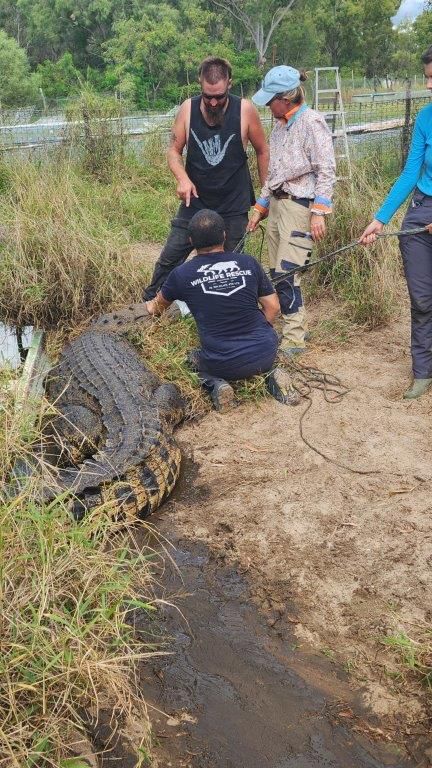
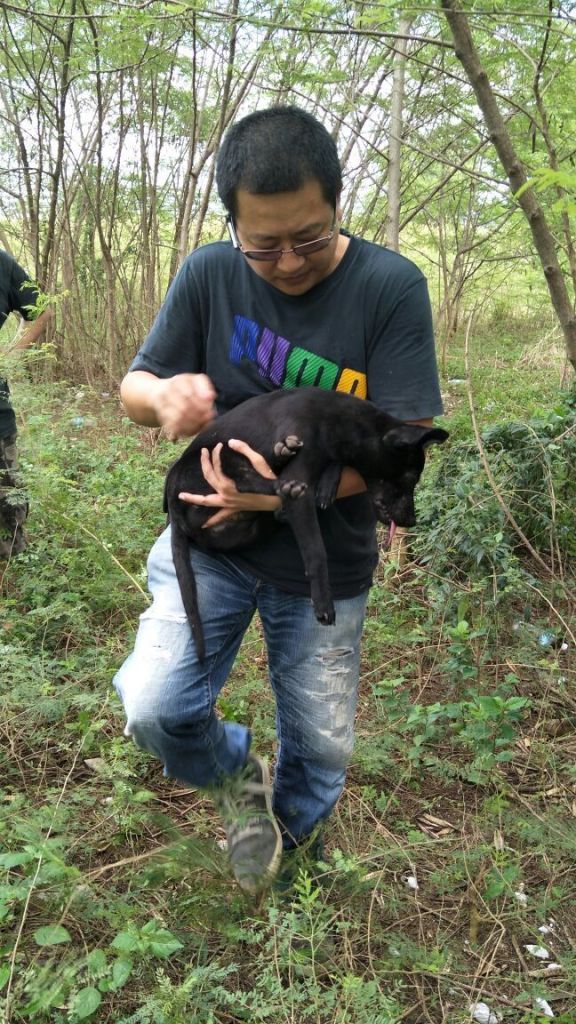

There are many misconceptions. People think snakes will kill you on sight. When I was young, my mum told me, “If you see a snake, kill it, or it will kill you.” Snakes are among the most misunderstood animals in the world.
What are some misconceptions people have about urban wildlife, and how do you educate the public on coexistence?
There are many misconceptions. People think snakes will kill you on sight. When I was young, my mum told me, “If you see a snake, kill it, or it will kill you.” Snakes are among the most misunderstood animals in the world. Media often portrays them negatively—like in movies such as Snakes on a Plane.
Many believe that brightly coloured snakes must be venomous, which is not true. We try to educate the public about these misconceptions and help them understand the role of these animals. For example, if you see a python in your estate, it’s likely there are rodents around because 98% of a python’s diet consists of rodents.
So rather than remove the python, we should ask why the rodents are there—usually due to food waste. And if we reduce waste and clean up better, we reduce rats, which reduces pythons.
It’s all about going back to the root cause. Same for tree snakes—if you have many house lizards, that’s what attracts the snakes. Why are there many lizards? Because there are bugs. Why are there bugs? Because of excessive lighting that attracts them.
Simple lifestyle changes—like switching off outdoor lights—can help reduce bugs, which in turn reduces lizards and then snakes. People need to realise that small changes can make coexistence possible.
What challenges do you face in wildlife rescue and exclusion, and how do you navigate these challenges?
The main challenge in rescue work is safety—not from the animals, but from the situations we operate in. It could be heights, canals, or poor lighting. Also, if an animal is injured, it will try to defend itself. They don’t know we’re trying to help. In exclusion work, we sometimes have to deal with very old ceilings or fragile roof structures, which could collapse.
We mitigate risks through training and proper equipment. We attend working-at-height courses and invest in safety harnesses, ropes, and body protection to ensure safety for both our team and the animals.
What traits are required for someone who wishes to be an animal rescuer?
The most important trait is passion—a genuine love for animals. This job isn’t for everyone. There are risks, long hours, and dirty work. We go into mud, drains, and tight spaces.
Also, you need to be mentally prepared. About 80% of rescues don’t end well. If the animal is injured, often the injuries are too severe, and euthanasia is the kindest option.
But there are happy endings—like when ACRES rescues, treats, and rehabilitates animals, and then releases them. That’s the best outcome.
What are your future goals for your business, and how do you see wildlife conservation evolving in urban environments?
My only goal is to help as many animals as possible, and to educate as many people as I can. We want people to realise that protecting wildlife is not just about loving animals.
It’s about acknowledging their space, respecting their role in our ecosystem, and understanding that coexistence is possible—without needing to kill or remove them unnecessarily.
Wildlife conservation in urban environments—especially in Singapore—is extremely challenging. Our forested areas are fragmented with little to no buffer zones between nature and residential areas. As Singapore aims to become a City in Nature, encounters with wildlife—snakes, monkeys, etc.—will inevitably increase.
It’s hard to balance human safety and animal welfare, and authorities are doing their best. But the key is to help people understand that sometimes, the best action is to do nothing. Just leave the animal alone and call the right people.
Singapore has one of the richest biodiversities in the region. But with increasing urbanisation and fragmented habitats, animals have to pass through roads and housing estates to get from one green patch to another. That’s when conflicts and accidents happen.
What’s your vision for Singapore in the next five years?
Organisations like NParks and ACRES are doing great work in public education and outreach.
There’s a shift from “kill” to “call for help”—and that’s important. I hope this mindset continues to grow, so more people will understand that humane, professional help is just a call away—and that animals don’t need to be feared. Just respected.
Connect with Joe: JKWildlife, Facebook and Instagram.
Joe is a member of Rainmaker, a revolutionary movement that rallies like-minded people together based on the values of Love, Authenticity, Respect, Kindness and Youthfulness (LARKY).

