
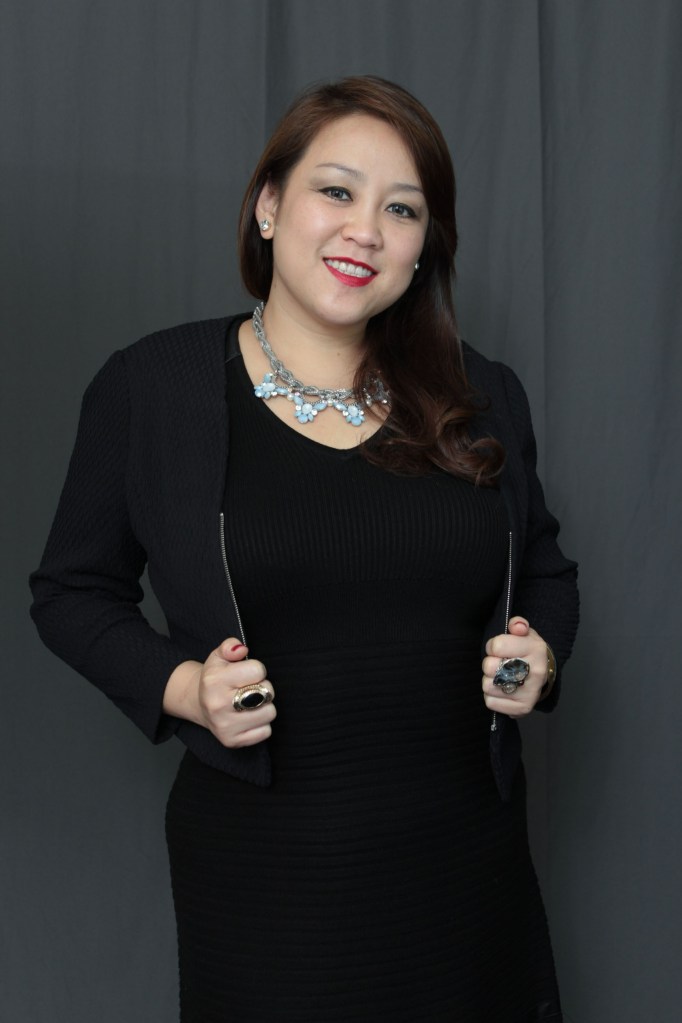
Meet Oei Aisoen, a resilient single mother, serial entrepreneur, and community builder whose inspiring journey from struggle to success demonstrates the power of passion, perseverance, and strong networks. From founding Faith Maid Agency in 2013 to uplift women from Indonesian villages, to most recently launching Dapur Bakso in 2024 to bring authentic Indonesian flavours to the community—each venture reflects her heart for people and purpose.
Her networking initiative, The ONE Club, formalised in 2023, connects entrepreneurs for meaningful collaboration and growth. Oei’s story is not just about business—it’s about empowering others, especially her own daughters, who now run their own thriving nail art ventures, continuing the legacy of strength and entrepreneurship.
What keeps you going as a single mum entrepreneur?
As a single mum, I believe my daughter and my parents are the fuel behind my drive to keep moving forward. I never allowed myself to stop or dwell too long in sorrow or heartache.
You have built an extensive network over the years that supports both your personal and professional life. What strategies or practices helped you to cultivate these relationships?
I build relationships honestly, as sincerely as I can, with no agenda. I’m not fake—what you see is what you get. If I don’t like someone, I don’t pretend. I just won’t meet them. I’d rather not talk than say bad things about anyone. I do everything from the heart and try to be as honest as possible. I also believe in building rapport with the people I want to keep in my circle.
Your entrepreneurial journey spans diverse industries—from a maid agency and second-hand mobile phones to F&B. What drives you to explore such diverse ventures?
It all started when I came to Singapore 25 years ago. Back then, things were different. Not many people were into second-hand goods. For example, if you changed your handphone, you’d just keep the old one in the drawer. There was only Cash Converters. I thought this country was very rich—fridges, washing machines, computers, printers were just left outside. Karang guni would collect them.
I started collecting used phones and exporting them to Indonesia. Within two years, I had eight mobile phone shops and about 30 staff. My shop is in City Plaza, where a lot of Indonesians gather. Then in 2023, after becoming a single mum and running my business alone, I opened my maid agency.
It was my first service-based business. Previously, I sold handphones, laptops, electronics, even had an online shop. I also had a hair salon in Geylang. Then in December 2023, I decided to enter the food business because I always wanted to try. But I know I’m not good with motor skills—I drop things easily—so I chose something simple like takeaway Indonesian food.
Work through it. If you can’t love it or even like it, then move—you’re not a tree. I always tell people this. Don’t just sit and complain, because complaining won’t get you anywhere.
How does your mission of empowering less fortunate women, particularly through your faith-based maid agency, influence your overall business approach?
By matching them with employers in Singapore, I believe I’m helping them to improve their lives. When I run the agency, I never take sides—not with the employer, not with the maid. I focus on helping both parties understand each other.
As an Indonesian, I understand the culture, habits, and beliefs of the helpers. And after living in Singapore for 25 years, I also understand the local way of life. So I try to bridge the gap and help both sides communicate better. This is my mission—empowering women and helping families—and it’s what drives my business approach.
Can you share how your networking initiative, including The One Club, has fostered collaboration?
The club I built was created to continuously meet new people. What I do is connection-based, not referral-based. Referrals involve money, but I believe in business, we need to increase our network through genuine connections.
My club has no membership fees, no selling during events, and no pressure to come or stay. I plan the time, set the date, put it out to the market, and invite people from my group. They can come if they want—there’s no pressure.
The idea is to connect and meet new people. I’ve done this for years, and it has benefited me and many others. People who come regularly always meet new people too. I’m also the only club that shares the full contact list of attendees on the day of the event. That’s what makes us unique.
In typical networking events, there might be 80 people, but you only talk to two or three. In my club, I cap it at 30. Each person stands up and shares their business. Maybe at the start you only talk to two people, but when everyone stands up, you realise who you actually want to connect with.
The venues I book are usually quite nice and would normally cost $50 to $100. But because of the power of networking, my negotiation skills, and my connections, I get good rates. I want to show people that networking and connection are the same thing—and when you combine both, it becomes very powerful.
What do you think makes a good entrepreneur?
Every time people ask this, I tell them the same thing. I didn’t plan to be an entrepreneur. I wanted to work in an office or in finance. But life gave me lemons, so I had to make lemonade.
I’ve cracked my brain to figure things out. I always say: learn to love what you do, even if you don’t like it at first. When you love something, it becomes easier to do.
Work through it. If you can’t love it or even like it, then move—you’re not a tree. I always tell people this. Don’t just sit and complain, because complaining won’t get you anywhere.
With your daughters now starting their own businesses, what advice do you give them and what legacy do you hope to leave for the next generation of entrepreneurs?
As a mum, I always worry about how my kids can be independent. And to be honest, I also don’t want them asking me to buy a new iPhone, iPad, or MacBook every time a new version comes out. So I tell them, “If you want it, you work for it.” When my daughter was 14, she started working part-time and learned how to earn her own money.
She began selling her things on Carousell and saved up to buy things she actually wanted. Both of my daughters love beauty and makeup. They started by taking makeup courses and became makeup artists. But the income in Singapore wasn’t enough for the effort they put in.
So they tried doing nails and learned through the internet. From 16 years old, one of them has never taken a single cent from me. That’s something I’m proud of.
When my kids face problems, I teach them that obstacles are meant to be overcome. I tell them, “if you don’t want to overcome problems, then just stay home, eat, sleep, and wait to meet Jesus.”
Where do you see yourself in the next five years?
My focus will still be on my agency, especially maid supply. That’s my original business. I applied for my Singapore licence with encouragement from my mentor, who pushed me to serve Singaporean families.
When I have more free time—since recruitment work is quite easy for me—I’ll focus more on my food business, which only opens on Sundays. I also want to spend more time mentoring young people, helping them build resilience, and teaching them about cash flow—whether in business or in life.
Connect with Oei: OeiAisoen.com, Facebook and LinkedIn.

