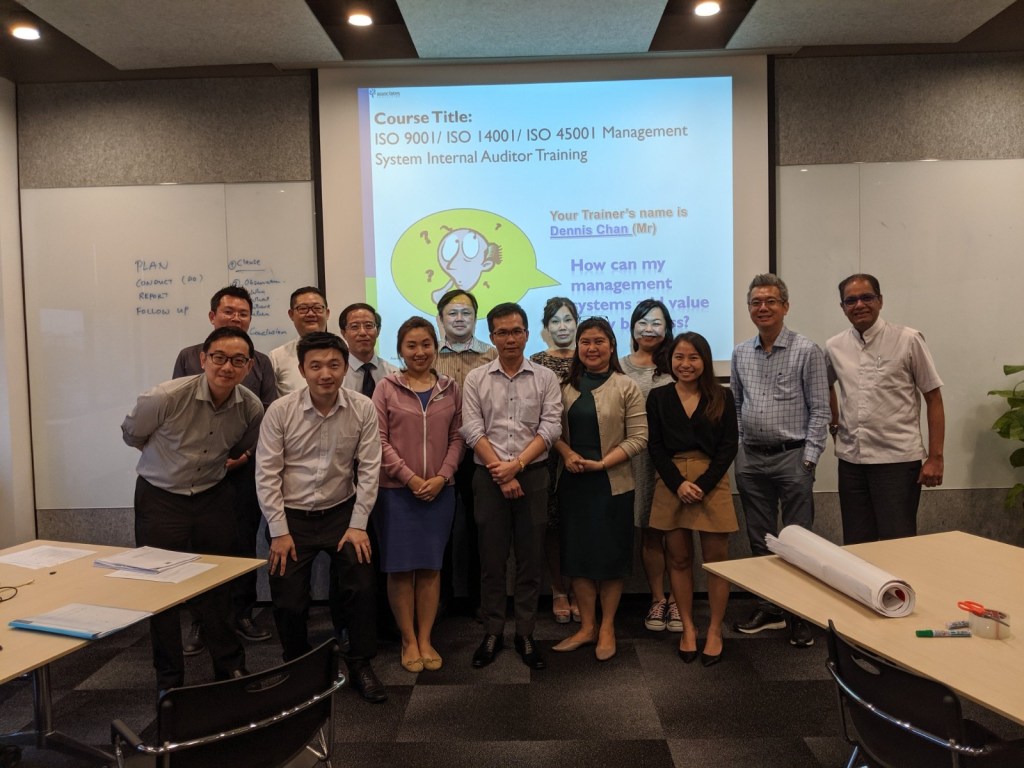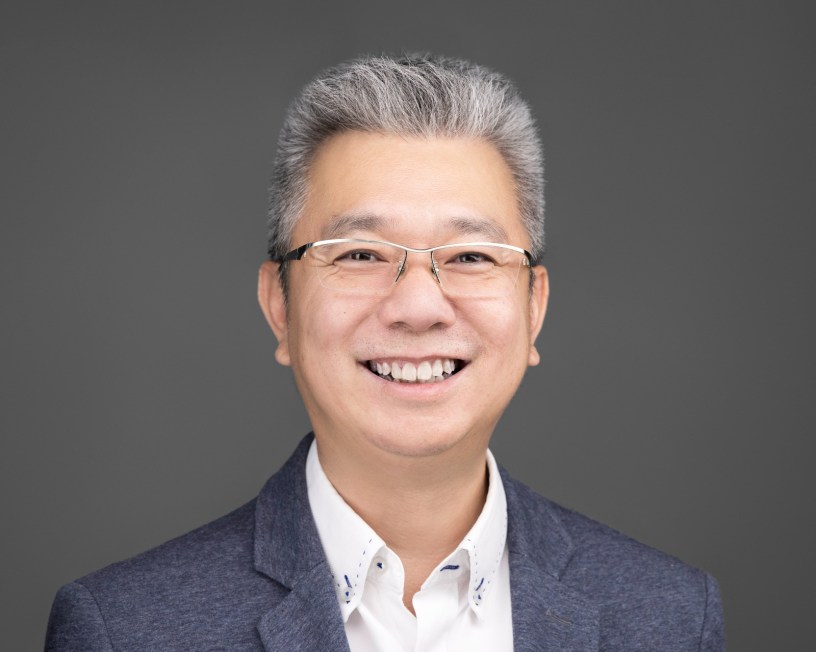
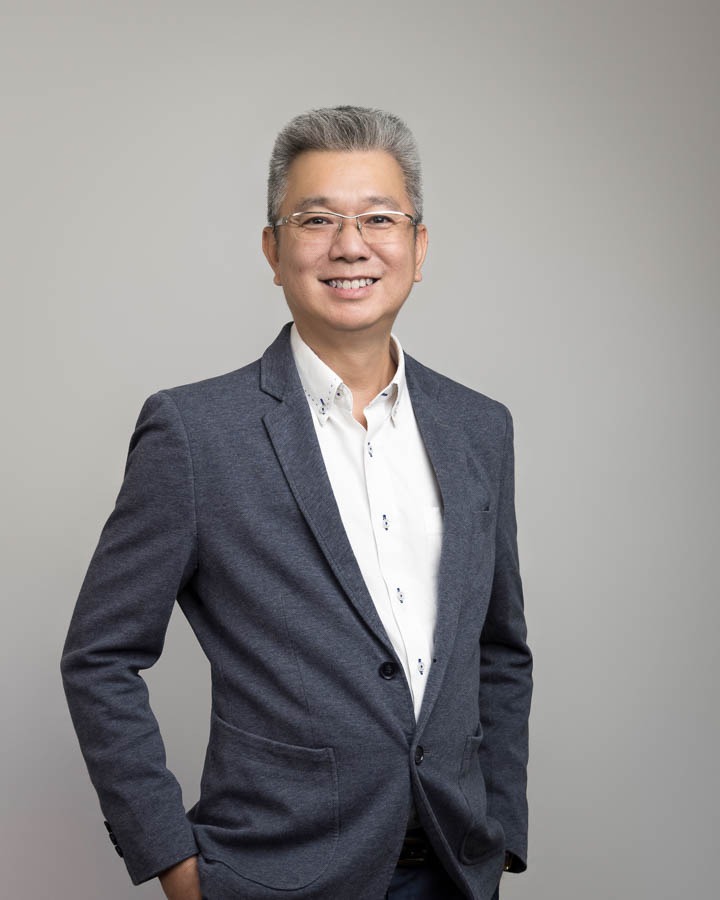
Meet Dennis, the driving force behind a consultancy that empowers businesses to thrive through international compliance. As the founder of a firm specialising in ISO standards, he leads a team of professionals dedicated to helping organisations achieve excellence in quality, environmental, and occupational health and safety management.
With a focus on ISO 9001, ISO 14001, ISO 45001, and related frameworks, the team provides tailored solutions that streamline processes, boost customer satisfaction, and elevate profitability—while ensuring adherence to global regulatory standards. Their mission? To deliver measurable, sustainable results and support long-term success for every client.
What inspired you to establish your consultancy dedicated to helping organizations achieve compliance with international standards?
Well, fortuitously and with God’s blessing, how I got into this industry was when I was selected to be part of a team to help the Naval Medical Corps attain ISO 9001. So naturally after ORD, my first job would be in an ISO consulting firm.
I was there for about two years, and how I ended up starting my own business, I think it was more of a push due to unforeseen circumstances rather than a pull.
I had to decide if I should continue studying, enter the IT industry, or to use what I learned in my NS days and just start a business that I was familiar with, since I had prior two years of experience.
That’s how I ended up setting up Associates Consulting. Thankfully it’s been running for 25 years.
How do you tailor your ISO consultancy services to meet the unique needs of each organisation?
Every organisation operates differently, even if it’s in the same industry. So what we do is we will actually have to deep dive and understand their operations through a series of interviews, especially with the heads of functions or heads of departments.
From there we can understand what they do, and also be able to identify gaps from other companies that we have gotten our experience from, and that’s where we can propose improvements.
What are some common challenges companies face when trying to comply with international standards and how do you help them overcome these challenges?
Common issues would be resistance to change, lack of awareness, and of course sometimes it comes from the top—commitment from the top. What we do as part of our consultancy service is we offer briefing and training sessions at different levels within the organisation.
This is to bridge the gap or to ‘break the ice’. And of course, from the top management, we need to make them realise that getting ISO certification is not just to please their customers, but it is a tool to help them manage and control their processes.
I guess ISO certification for the very first part is a stamp of authority assurance. Especially if a company wants to expand into an unknown market.
Can you share a success story where consultancy significantly improved a client’s process, customer satisfaction or profitability?
One memorable case was actually working with Ascendas Services, who is now under CapitaLand. They are a large facility management company managing more than 100 industrial, commercial, and business parks in Singapore as well as regionally.
My team not only went in to get them certified to three ISO standards, but also to revamp their documentation and their processes to make it more user-friendly on the ground.
It’s hard to quantify exactly what was done, but I guess the biggest compliment I got was that when the CEO saw the changes that happened, he was so pleased with it. He told me to help them in their overseas subsidiaries in China as well as India.
The memorable part actually comes when the companies in China and India already had their own local consultants, but the CEO was so adamant that he said, okay, those local consultants will still have to go through me. I kind of became their regional ISO consultant. To me, I think that was the biggest achievement.
How do you ensure that your team of certified ISO experts stay current with evolving standards and industry best practices?
Basically, there is no formal qualification for consultants in general. However, Enterprise Singapore itself established a Consultant Quality Initiative where consultants can volunteer to register themselves.
And once they are in, they have to go through this continuous professional development, meaning every year they have to clock a certain number of hours of academic research, and a certain number of consulting hours in order to maintain this registration. So through this process, it’s always a learning journey for us.
In your opinion, what do you think makes a good entrepreneur?
Persistence and resilience. End of the day, as a lot of successful business owners say, never give up. Treat every failure as a lesson to be learnt.
Another trait would be adaptability. We started in the year 2000. From then to now, we have gone through several downturns. We had SARS, we had the global financial crisis, we had COVID-19, and I managed to try and adapt my business to each of these crises, and thankfully we are still around.
Looking ahead, what are your future plans for your consultancy and how do you see international compliance evolving in the coming years?
I think in the next five years, we’ll be looking at two areas. Consultancy work being digitalised—as now everything is digital—we have to look at actually utilising technology to firstly maybe automate our consulting process, especially mundane tasks.
The second area is ISO compliance and now this popular term called ESG (Environmental, Social, and Governance). We need to see how we can marry these two together because they do overlap. So I will be looking at moving more into sustainability consultancy as well.
What advice would you give to a business owner who is looking to apply for ISO certification but unsure if he or she should do it?
I guess ISO certification for the very first part is a stamp of authority assurance. Especially if a company wants to expand into an unknown market. You can say a thousand words to explain how good or credible you are, but ultimately one certificate says it all.
On the other hand, ISO certification, or ISO itself, is a tool—a management tool. It actually gives the business owner the opportunity to relook at how they are carrying out things. And of course with the consultant’s experience from other industries, they will be able to enhance your operations or your processes.
What’s your vision for Singapore in the next five years?
My vision—I think the strength of Singapore is its people. So we have to really look into knowledge-based industries like green tech and specialised consulting services. I think we have to make use of our natural resources, which is people.
Singapore should be a hub where the regional neighbours can come to tap on our expertise and knowledge, and guide them in their industry or even in their processes.
Connect with Dennis: Associates,