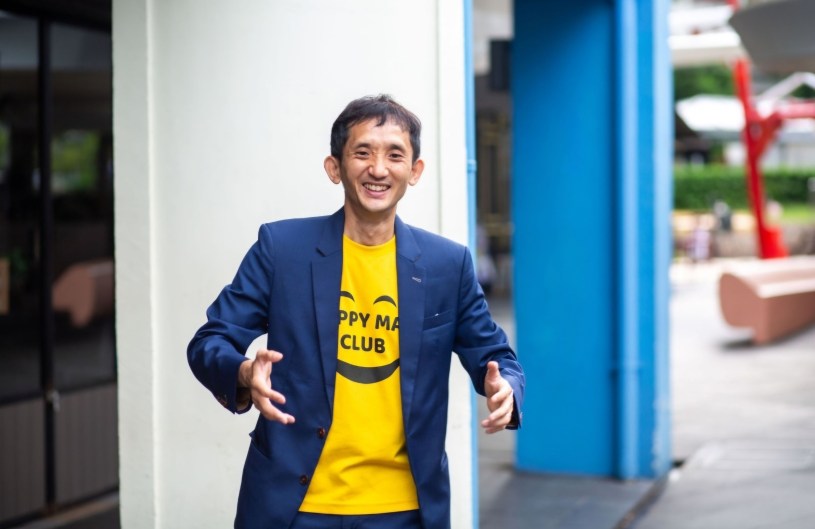
Meet Yuantai, a former pharmacist-turned-entrepreneur, who left the comfort of a stable career in the pharmaceutical sector to pursue a deeper calling—helping people rediscover happiness, purpose, and passion. Now a coach and financial strategist, he empowers individuals with the right mindset and tools to live joyfully and retire on their own terms.
He created the powerful “UNHAPPY” formula to help people uncover the root of their dissatisfaction and turn it into empowerment. Today, he is the founder of the Happy Retirement Tribe and the Happy Man Club, meaningful communities centered on self-discovery, well-being, and living life with intention.
What motivated you to leave the pharmaceutical sector and pursue entrepreneurship, especially in coaching and financial strategy?
I began my career as a pharmacist and practised from 2010 to 2017. About three to four years into my career, I realised I wanted to do work in education—helping children break out of poverty and eventually build a school for them. To do that, I knew I needed to move out of corporate life.
I enjoyed pharmacy, but I had to leave the corporate world. I then spent about two years figuring out what I wanted to do.
That was a transition period. In 2019, I crossed paths with my mentor, who was already doing coaching and wealth advisory. I figured these two occupations would equip me with the necessary skill sets to do what I want.
It was a no-brainer. I became a coach, started my own coaching practice, and also entered wealth management. The school I wanted to create would be based on four pillars: technical skills (STEM—science, tech, engineering, and maths), mindset, values, and financial literacy. That’s how it all ties in.
Despite having a comfortable job, you were not happy in the past. So what was the turning point that led you to seek a new path?
It was a series of turning points. I’m of the Christian faith. I believe in God, I believe in Jesus. God started to put things in my heart and said, “You’re doing quite well in your career, but it’s time to think about something more—something that will leave a legacy.” I began volunteering more—specifically mentoring youth.
Some of them were at-risk, and I spent time understanding their needs and perspectives. I realised there’s a gap because a lot of societal problems stem from youths not having proper guidance.
I want to provide a proper platform to help at-risk youth and those from less advantaged families improve their lives. There wasn’t a single turning point, but rather a series of experiences that led me to this decision.
You created the UNHAPPY formula. Can you explain how this concept helps people transform their mindset and find true happiness?
That’s another keynote in itself! But I’ll keep it brief. UNHAPPY is a framework that aligns closely with my personal and professional journey.
U stands for Undaunted—being unafraid of challenges. I came from a middle-income family and was raised to believe that success meant studying hard, getting a good degree, and securing a stable job. But three years into my career, I realised that formula wasn’t for me. I had to be brave enough to break away from that.
N stands for Novel—trying new experiences. Between 2017 and 2019, I condensed a huge amount of learning into those two years. I went for networking events, joined Toastmasters, and the Asia Professional Speakers Association. I believe we should not be afraid of novel experiences because change is so fast today.
H stands for Helpfulness—my core value. I believe in helping and adding value. I taught digital marketing to entrepreneur friends, volunteered extensively, and served in leadership roles in several organisations. Being helpful increases your skill set and network. I believe in sowing and reaping—income is always an outcome.
A stands for Abundance. My mentor, Eugene Seah, lives by this, and I’ve adopted it. Even if someone is in the same trade as me, I believe in collaboration rather than competition. You can build community and value, and the business will come.
P and P are Passion and Purpose. I always ask mentees: what’s your why? You may not have it figured out now, but you must eventually. Money goals are fine, but you need a reason beyond wealth. I know young millionaires who are still unhappy because they don’t know what to do with their money. Passion fuels purpose—it sustains you.
Y stands for You—your identity. Everyone is unique. Knowing and accepting yourself, your strengths and weaknesses, is key. Many don’t truly know or accept themselves, and that leads to unhappiness.
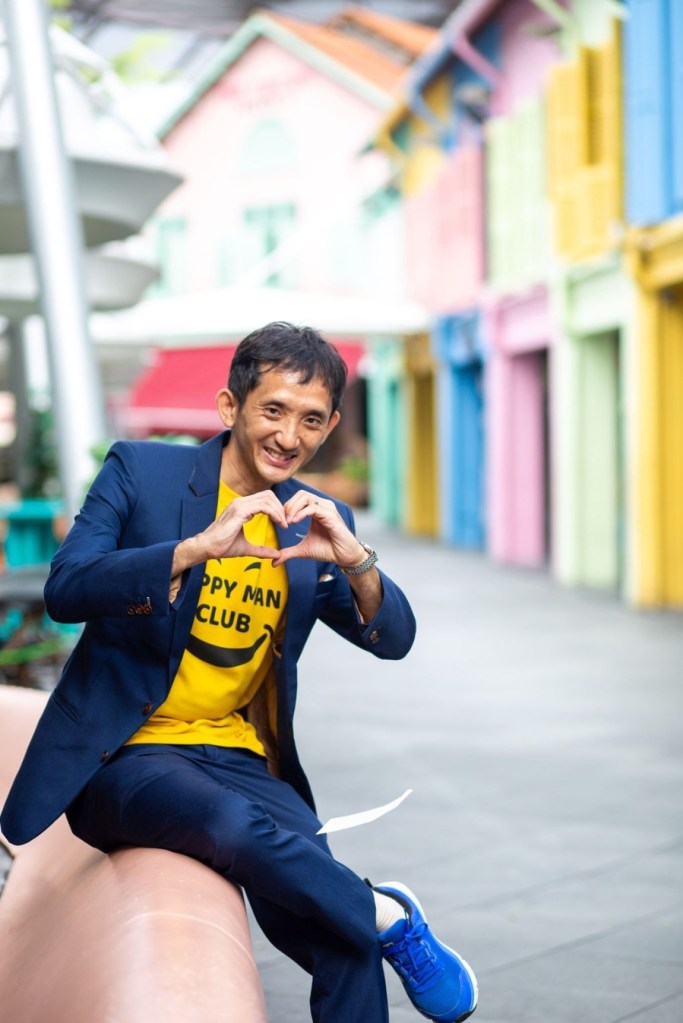
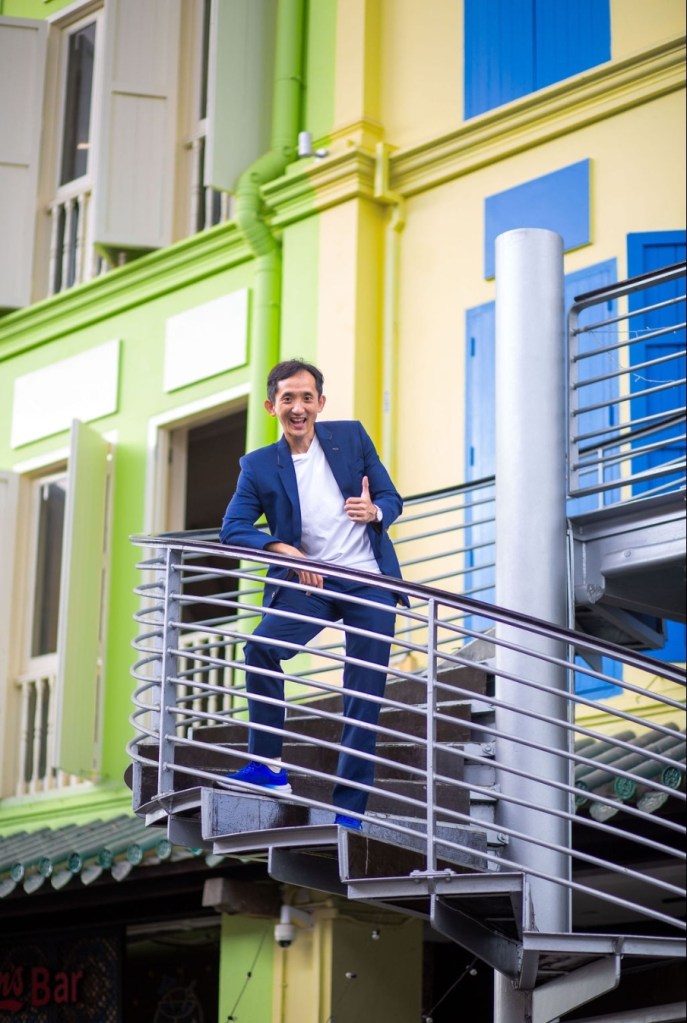
What inspired you to start the Happy Retirement Tribe, your hiking groups, and the Happy Men Club? How have these communities impacted the members?
I believe business and life overlap. I build communities centred around values and interests. Business is ultimately about trust and value—when people trust you and see the value you offer, they’ll pay.
These groups—Happy Retirement Tribe, hiking groups, Happy Men Club—are communities first. I see people as friends first. Some become clients, but many remain just friends, and that’s okay. These communities are about doing life together.
When you gather like-minded people who trust you, you naturally do meaningful business together. Helping others helps you too—whether they’re clients, employees, or partners.
What are some common misconceptions people have about happiness, and how do you help them reframe their perspective?
One big misconception is that happiness is outside your control. But actually, happiness is something you can control. You can’t control external circumstances—what people say, the weather, traffic—but you can control your response.
You can choose to be happy. That’s “bulletproofing” your happiness. I ignore what others think unless they are close family, mentors, or business partners. I tell people to shift their mindset from “I am powerless” to “I am empowered to be happy.”
As a coach, what strategies do you use to help professionals rediscover joy and passion in their work?
There are many, but I’ll share two key strategies. First, we must identify the obstacle—what’s blocking the joy. Often, it’s unresolved trauma. Childhood, relationship, or accident trauma can shape our behaviour without us realising it. Coaching helps bring awareness to these blocks.
Second, I guide clients to take micro steps. Forget lofty resolutions. Focus on daily achievable tasks—like two sales calls or 20 push-ups a day. Consistent small steps lead to big change. It builds momentum and keeps the process manageable. Start with one step. That’s how we climb the mountain.
What are your future goals for your movement and coaching programmes?
I plan to do more public speaking—it’s a powerful way to scale impact. I’m also working on publishing my book, which has been delayed for two years. It will be short, practical, and actionable—about 150 to 200 pages. I want to build coaching groups focused on mindset and happiness.
I already run finance and lifestyle communities, but I want to grow a dedicated coaching community—agents of happiness—who will spread positivity in their circles. Lastly, I want to digitise my business as much as possible, so I can coach people across time zones. This may take three to five years, but I’m committed to that journey.
What is your vision for Singapore in the next five years?
I hope Singapore becomes a happier place. We’ve done well in infrastructure and economic prosperity, but happiness is still lacking. Go to any restaurant or shop and observe the staff—many are not happy.
I hope we shift as a society, so when I ask someone, “When was the last time something made you smile?” they answer, “Just earlier today.” That would mean we’re on the right track. Everyone has a role to play.
Connect with Yuantai: HappyCoachYuantai.com, LinkedIn and Instagram.