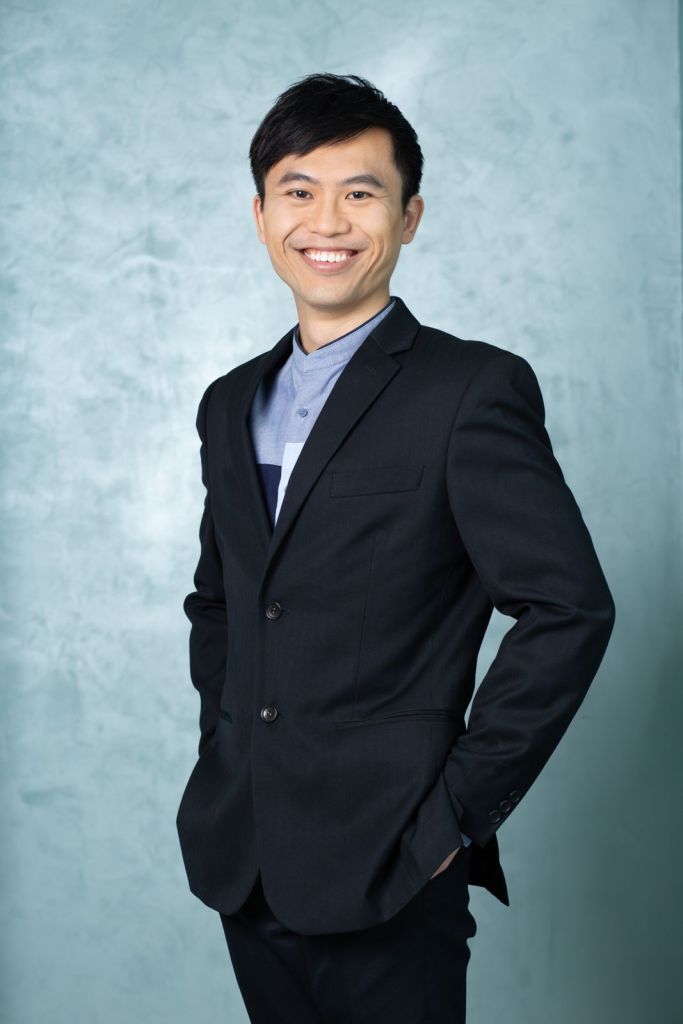
Meet Dr. Aaron Hoo, who is a passionate dentist who views his role not just as a healthcare professional, but as a dedicated service provider committed to delivering a positive and comfortable experience for every patient. Believing that dental care should be approachable and anxiety-free, Dr. Aaron has thoughtfully designed his clinic environment.
He uses soothing colours, calming music, and engaging videos to help patients feel at ease throughout their treatment. His patient-first philosophy reflects a deeper mission—to transform the way people perceive dental visits by blending professionalism with hospitality and empathy.
What inspired you to become a dentist, and what do you love most about your profession?
I didn’t choose dentistry as my first career choice. When I was a young boy, I grew up in a lower-income, traditional Chinese family. From my parents’ point of view, the aspiration was always for their son to do well and become a professional. So, the focus was always on studies and academics.
I was never a top student, but I did decently well in all the major exams. When applying to university, I chose medicine as my first choice, followed by dentistry, then pharmacy, and law—mostly healthcare-related fields.
I didn’t get into medicine, but I got into dentistry instead, and that turned out to be the best thing that ever happened to me. What I really love about dentistry is that it’s very hands-on. It’s very much a craft.
You diagnose issues, but the solution often requires using your hands to create something, and I enjoy that aspect of the profession.
How have advancements in dental technology changed the way you treat patients?
Dentistry is an ancient craft. To me, it’s similar to carpentry, woodworking, and metallurgy—it’s a form of craftsmanship. For a long time, dentistry remained relatively stagnant, but in the last 20 years or so, there have been significant advancements in technology and material science, which have changed how we manage patients in several ways.
One key example is dental implants. Implants are a great way to replace missing teeth, but many people fear the procedure because they imagine a screw being drilled into their bone—which, to some extent, is true. The implant has a specific width and length, and in the past, implants were quite long—14mm to 16mm.
Almost nobody has that much bone in their jaw, so early implant courses focused heavily on bone grafting—adding more bone through additional surgery, which increased risks and costs.
Over time, technology improved, and researchers discovered that we don’t need such long implants. The standard has since dropped to 8mm internationally. But even 8mm isn’t always feasible for many Asians, as they may not have enough bone.
Now, with recent advancements, we have an implant made in Germany that is the shortest in the world—just 5.2mm. This breakthrough allows us to replace missing teeth without requiring complex bone grafting surgeries, making the procedure safer, less invasive, and more accessible to patients. That’s very exciting.
What are some of the most common dental misconceptions that people have?
There are many misconceptions, but one major one is that people often associate the severity of a dental problem with the level of pain they feel. If something is very painful, they assume it must be serious, and if it doesn’t hurt, they think it’s nothing. However, some severe conditions cause little to no pain.
For example, a small cavity may cause intense sensitivity, while a chronic infection in the bone may not hurt at all. Because of this misconception, some patients ignore serious dental issues simply because they don’t feel any pain—until it flares up badly.
Another common misconception is how certain conditions progress, especially gum disease. Many older generations experienced gum disease as their teeth gradually became loose, leading to extractions and eventually dentures.
Some patients mistakenly believe that gum disease can be permanently cured, but that’s not true. When we treat gum disease, we remove bacteria and control the condition, but we cannot regrow lost bone. If you’ve lost 10-20% of bone, that loss is permanent.
Without proper maintenance, gum disease slowly returns, so ongoing care is necessary. Many patients underestimate this and assume one round of treatment is enough, but gum disease requires continuous management.
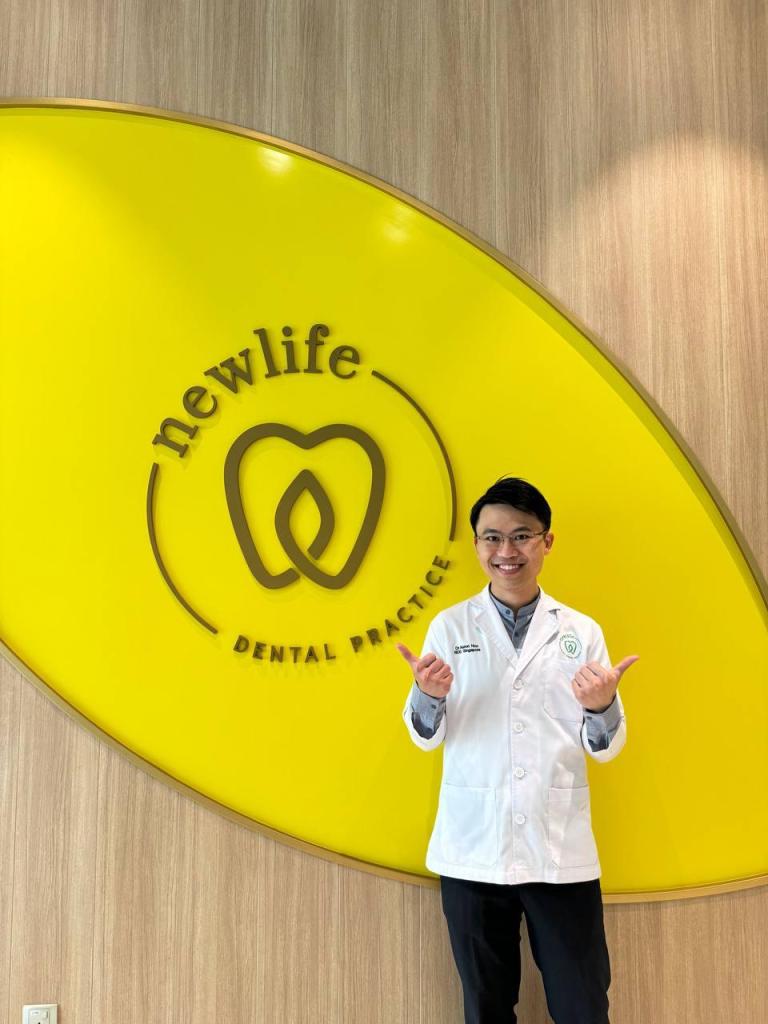
By combining a caring approach, clear communication, and a comfortable environment, we help patients overcome their dental anxiety and have a smooth, pain-free experience.
Can you share a memorable patient success story that reinforced your passion for dentistry?
Many people think dentistry is just about treating teeth, but we do much more than that. Many conditions affecting the oral and facial region can be diagnosed and managed by dentists.
One example that stands out is temporomandibular disorder (TMD), which affects the jaw joint. Some patients experience pain when they yawn or chew, while others have their jaw lock or feel it getting stuck.
This condition exists on a spectrum—some have mild symptoms, while others experience chronic pain and severe limitations in movement. One particular patient had been suffering from chronic jaw pain for years. She had been taking painkillers daily and could not eat properly.
When she was finally referred to us, we diagnosed the problem and fabricated a custom splint for her. Within a month, her pain was completely gone. She could eat comfortably again, and suddenly, her food choices expanded—she was overjoyed. Moments like this make our work truly meaningful.
How do you help patients who are anxious or afraid of visiting the dentist?
A lot of tender loving care (TLC) and empathy. Many dental fears stem from patients feeling like they are powerless guinea pigs—lying on a chair while a dentist works on them without explanation.
This traditional top-down, authoritative approach makes many patients feel uncomfortable, anxious, or even traumatised. However, we do things differently.
We don’t rush treatments. We spend a lot of time communicating with patients, reassuring them about procedures, and checking in on their comfort levels throughout. Many patients tell us they finally feel cared for, rather than just being a case number.
We also pay attention to clinic ambiance—decor, color schemes, music, and even the materials we use. For example, we only use the best anesthetic solutions on the market, ensuring optimal numbing effects for painless procedures.
By combining a caring approach, clear communication, and a comfortable environment, we help patients overcome their dental anxiety and have a smooth, pain-free experience.
What advice would you give for maintaining good oral health beyond just brushing and flossing?
Cut down on sweets—especially sticky and sugary foods. Visit your dentist regularly—on average, every six months. Be mindful of bruxism (teeth grinding)—this can cause fractures and other dental issues.
Use an electric toothbrush—it makes oral hygiene easier and more effective. While manual toothbrushes work well if used correctly, many people struggle to reach all areas properly.
Electric toothbrushes remove this variability by oscillating and vibrating, making brushing more effective with less effort—especially as we age and lose dexterity.
What are some exciting trends or innovations in dentistry that people should look out for?
Aside from shorter implants, one fascinating development is robotic-assisted dentistry. There are prototypes where robots assist dentists in performing procedures like surgeries.
The idea is to calibrate parameters, and the robot performs the precise work. Right now, automation is supervised, meaning a dentist is still present, but in the future, who knows?
Where do you see yourself, and what’s your vision for Singapore in the next five years?
Our goal is to be one of the top recognised dental practices in Singapore. Reputation-wise, we already have a strong patient base and excellent reviews, but compared to the big players, we still have room to grow.
Our immediate goal is to establish ourselves as a top-quality, best-service practice. Once we achieve that, we will explore expanding our brand overseas.
One area where government intervention could help is relaxing hiring rules for foreign dental professionals. The cost of running a healthcare business is high, and finding skilled team members is a constant challenge—not just for private clinics, but also for government hospitals.
Another area is dental tourism. We have international patients flying in from Cambodia, Japan, and other countries, but medical tourism has declined globally.
With better technology and knowledge accessibility, dentists in developing countries are improving rapidly. The key question is: How can Singapore maintain its competitive edge? Right now, we still have an advantage, but over time, it will require continuous effort to stay ahead.
Connect with Dr. Aaron: NewLifeDental, Instagram and LinkedIn.