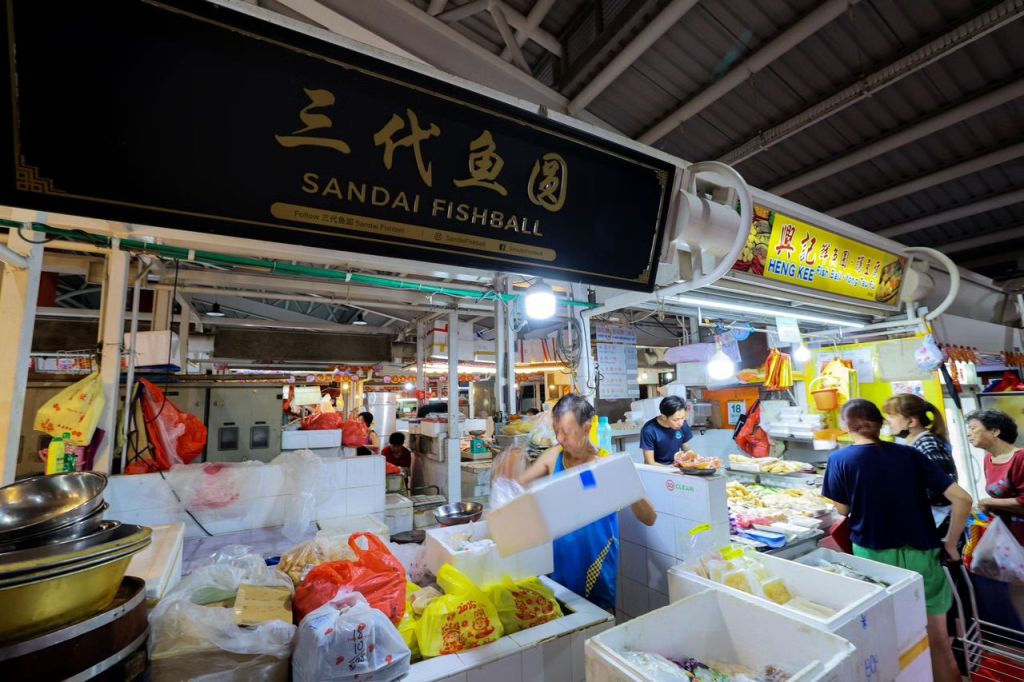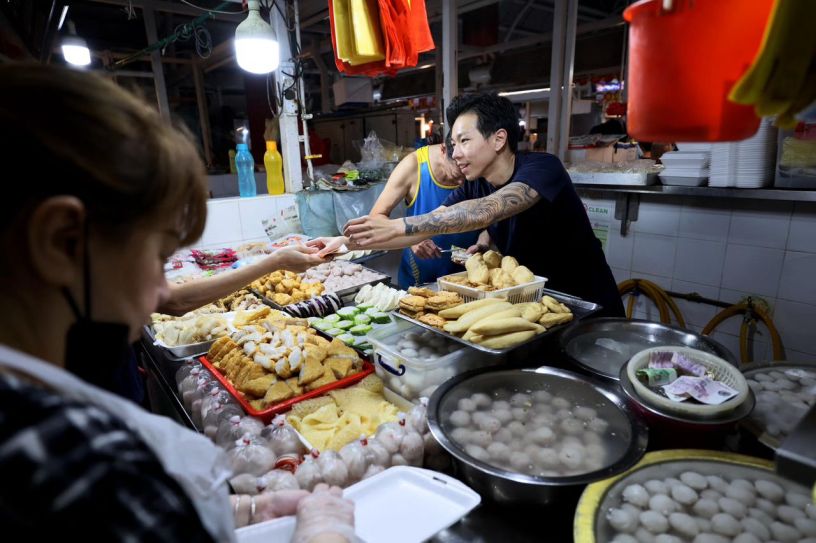
Meet Delonix, a driven entrepreneur with a passion for business, self-improvement, and authentic experiences. Currently running his family business, SanDai Fishball, Delonix believes in the power of small, daily improvements and building brands with purpose.
He also manages branding and social media for the business, while also working full-time as an operations executive at Kitchen Haus Group. As an emerging member of ACAPS, he stays connected with the latest F&B best practices, constantly learning and sharing with peers in the industry.
You’re currently managing your family business selling fishballs. What drives your passion for entrepreneurship?
My interest in business sparked because—long story short—my past wasn’t great. When I was in school, I was rebellious and got into trouble. Eventually, when I turned my life around, my cousin spoke to me.
He said that since I had the ability to influence people, even for the wrong things like gangs, why not use that same ability to focus on our family business instead of doing all the stupid things I’d been doing?
From there, my interest in business sparked. I started getting into personal development and eventually decided to join my family business. From there, I got more and more involved, and that’s how my journey into entrepreneurship began.
You are also building the brand and handling the social media content. What is your approach to modernising a very traditional food business?
My approach, frankly, is that I don’t change the core of the business. The core of SanDai Fishball is that we believe in making real, authentic, and fresh food for locals.
What I’m doing differently is leveraging newer platforms like social media—TikTok, Instagram, Xiaohongshu, and Lemon8—to share and document our journey and what our brand stands for, rather than the old-school way my parents used to do things.
You know, just standing there and doing things the traditional way. No one really knew what they were doing. Even if the product is good, people might not know about it because there’s no way to educate the consumer.
So, I’m not changing anything but instead sharing and documenting what we’ve been doing over the past six decades, across all social media platforms. I also created our own website, started pre-orders, and launched a few initiatives that help us build our reach.
Balancing your role as a full-time operations executive at Kitchen Haus Group with your own business pursuits must be very challenging. How do you manage your time effectively?
It’s definitely not easy, but I’m very lucky to have a supportive boss. For example, we just landed a new deal with a restaurant group, so I need to take off days on Tuesdays and Thursdays to help out and stop production to keep up with demand.
I manage my time by planning out my day in advance. I’ll plan my day the night before and also schedule my week in advance to make sure I have enough time and bandwidth for everything.
I ensure that nothing clashes and everything is spaced out well.
You’re also part of ACAPS as an emerging member. How has this experience helped you stay updated with industry trends and best practices in the F&B industry?
That really helps a lot. The ACAPS association gives me exposure to many other F&B SME bosses in Singapore, and I’ve learnt so much about the different models they use. There are so many valuable sharings during our gatherings.
It’s given me a clearer direction for SanDai because these people have already been through a lot—they know which paths are painful or inefficient to take. Meeting this group helps me feel less alone as a businessman and helps me make better decisions when I’m at a crossroads.
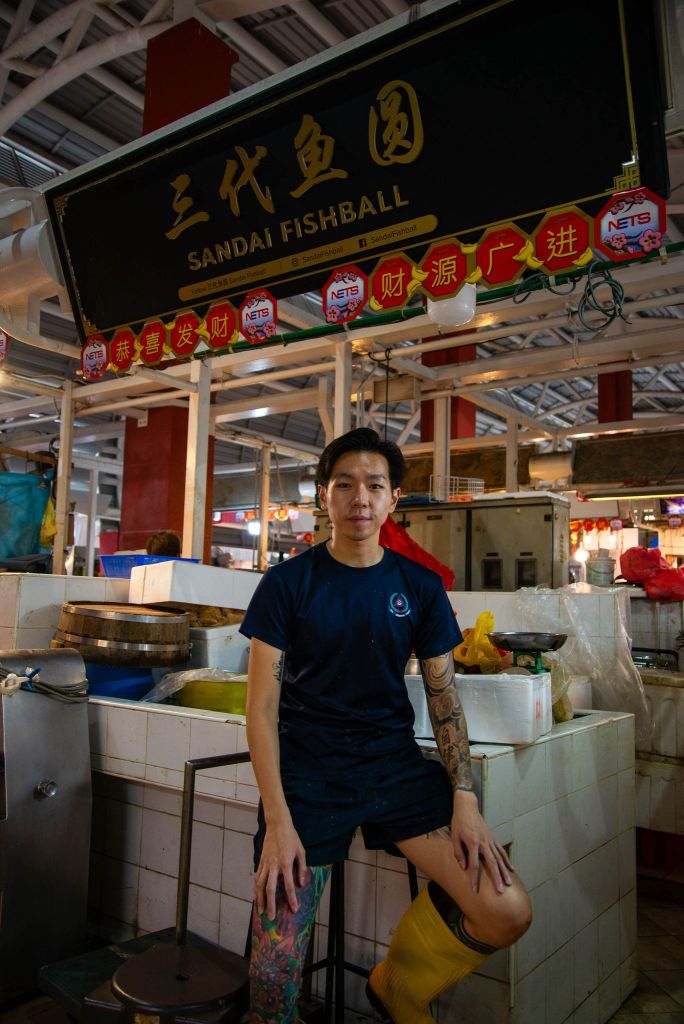
To me, entrepreneurship is like being a full-time firefighter. There will always be problems and headaches, so you need to grind through when things get tough.
In a competitive F&B market, especially in Singapore, what do you think sets SanDai Fishball apart and what strategies have you implemented to grow the brand?
In Singapore’s competitive F&B space, I believe in providing value to the consumer. Nowadays, a lot of brands take shortcuts by using highly processed food to cut down manpower and production costs.
But at SanDai Fishball, we are still using 100% yellowtail fish, which is very rare among fishball makers today due to the higher cost. Firstly, we believe in using real ingredients and processing them using authentic, traditional methods.
Secondly, it’s social media. I believe consumers today don’t just want to buy a product—they want to understand the story behind it, why you make certain decisions, and what values your brand stands for. That’s what I’ve been actively sharing on social media with our customers.
In your opinion, what do you think makes a good entrepreneur?
I think what makes a good entrepreneur is grit. Grit is one of the most important traits. Entrepreneurs need to have the ability to fail over and over again, learn from it, improve, and keep pushing forward instead of giving up.
To me, entrepreneurship is like being a full-time firefighter. There will always be problems and headaches, so you need to grind through when things get tough.
Adaptability is also important. For example, if I planned to go in a certain direction but new data from experiments show otherwise, I need to pivot and try something new instead of repeating the same methods that don’t produce results.
Actually, I feel that this entire journey of entrepreneurship is like self-cultivation. It has changed me so much. In the past, I had a very bad temper and attitude.
But because of business, I’ve learnt to be patient, disciplined, and to think for the customer instead of just for myself. So I see this as a journey of self-growth.
What are your future goals for your business and where do you see yourself in the near future?
My future goal for the business is nothing fancy. I just want to continue preserving my family’s culture. The goal is to bring my family brand past the 100-year mark.
So, for now, I’m not focused on rapid expansion. I just want to manage my current store and my uncle’s store properly—maintain the standard and quality—before thinking of any major expansion in the future.
What is your vision for Singapore over the next five years?
I’ve never really thought about this vision, but for me, I want to preserve the hawker culture and wet market culture that I’ve been actively involved in since I was young.
Sadly, it’s dying off due to the first and second generations of hawkers passing on and no one taking up the baton.
Connect with Delonix: Instagram and TikTok.