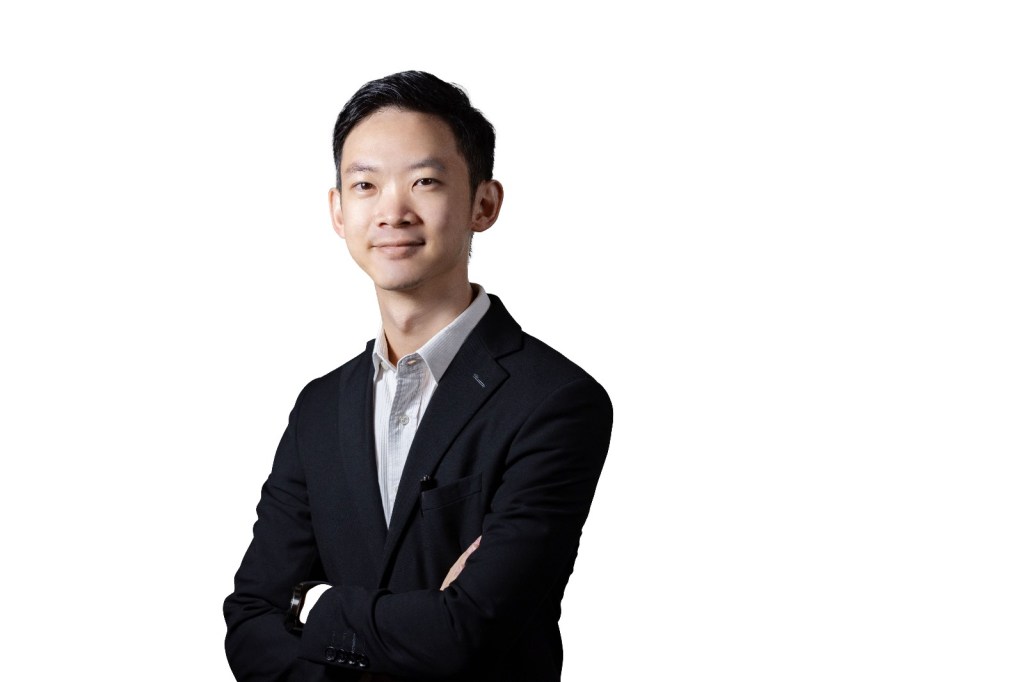
Meet Yan Shao, the CEO and founder of Cat and Pillar Pte. Ltd., a company specialising in international trademark and industrial design registration. With eight years of experience as a trademark examiner at the Intellectual Property Office of Singapore (IPOS), Yan Shao brings extensive expertise in navigating the complexities of intellectual property protection.
Since founding Cat and Pillar, he and his team have successfully assisted over 400 businesses in filing more than 1,200 trademarks worldwide, helping brands safeguard their identities on a global scale. With a strong commitment to intellectual property rights and business innovation, Yan Shao continues to be a trusted partner for companies looking to protect and strengthen their brand presence.
You spent eight years as a trademark examiner at IPOS before founding Cat and Pillar. What inspired you to start your own firm?
When I was at IPOS, one thing I noticed was that many local companies were not properly protecting their trademarks in Singapore or in the countries they expanded to. I observed that most of the trademark filings coming into Singapore were from overseas companies, and very few were filed by local companies.
I wanted to start my own company so that I could directly help local businesses protect their brands. While the government tries to simplify the trademark filing process, there are limits to how much assistance they can provide because they do not offer legal advice.
As a result, many businesses file trademarks only to find out months later that they cannot be registered—by which time they may have already launched their brand. Starting Cat and Pillar allows us to have a more meaningful career, where we can directly interact with businesses and guide them on brand protection.
Many entrepreneurs don’t understand the importance of trademarks. What are some common misconceptions business owners have about trademark protection?
The most common misconception is that trademark registration is only necessary once a business has taken off or grown to a certain scale. Many entrepreneurs believe they should only look into brand protection once their company reaches a certain size or revenue level.
However, we believe trademarks should be registered as soon as you are serious about your business and have confirmed your brand name. For example, we registered our own trademark three years before incorporating our business.
Some business owners wait until they achieve a certain revenue level, but we used our own savings to file the trademark early because it operates on a first-come, first-served basis. If you don’t secure your trademark as soon as possible, someone else could register it before you.
Another misconception is that the only reason someone else might take your brand is if they intentionally copy you. Many people assume they only need to register their trademark when their business is large enough to attract copycats.
However, in reality, most brand conflicts occur because another company has already registered the name—even before the new business starts using it. Business owners often do not realise this until much later—sometimes only when they receive a legal notice or when their own trademark application is refused by IPOS (the Intellectual Property Office of Singapore).
Filing a trademark early helps verify brand availability and reduces legal risks, such as being sued for trademark infringement.
Your company has helped over 400 businesses register trademarks internationally. What are some key challenges businesses face when protecting their brands globally?
When expanding into multiple markets at the same time, a major challenge is that your trademark may already be registered in another country. For example, your trademark might be available in Singapore, but when you attempt to file in China or Malaysia, you may find that another company has already registered it.
Larger markets have significantly more trademark filings. For instance, Singapore receives around 60,000 trademark applications per year, whereas China sees over 10 million applications annually. This means many brand names that are still available in Singapore may already be taken in other countries.
This presents a challenge: Do you adopt a different brand name for different countries? Or do you try to negotiate or challenge existing trademarks? In some cases, businesses can attempt to revoke an existing trademark if the registrant is not actively using it.
However, if the trademark belongs to a large company, removing it may not be possible. In such cases, some businesses opt to avoid entering that market altogether.

Think of it like health insurance—you don’t wait until you’re sick to buy insurance. Similarly, you shouldn’t wait until your brand becomes well-known to protect it, because by then, it might be too late.
Intellectual property laws vary across countries. How do you navigate the complexities of international trademark registration for your clients?
We conduct thorough research before entering a new market for our clients and leverage our global network of legal partners. We collaborate with law firms worldwide, so if there’s something we’re unsure about in a specific country, we consult our partners for expert guidance.
One thing that makes us unique is our focus on preventing objections from IP offices at the outset. When filing a trademark, businesses must provide a description of the goods or services under the brand. Each country has different rules.
In Singapore, there is a pre-approved list of acceptable descriptions. While businesses don’t have to follow this list, using pre-approved terms reduces the risk of objections.
The easiest approach would be to use the same description for all countries, but we customise descriptions for each country to minimise objections.
This process requires extra time and effort, but it prevents delays. If a trademark faces an objection, the registration process can be extended by months or even years. By proactively customising applications, we save our clients time and ensure smoother trademark registrations.
Can you share a success story where your expertise helped a business safeguard its brand identity?
One of our clients wanted to enter multiple international markets, but we encountered a refusal due to an existing trademark. In some countries, the name had already been registered by a major multinational corporation (MNC). However, we managed to challenge and remove the conflicting trademarks in some countries by filing a non-use revocation.
Many countries allow third parties to revoke trademarks that have not been used for a period of three to five years. This prevents companies from filing trademarks just to block others without actually using them. In this case, the existing registrant had not been actively using their trademark in certain regions.
We successfully challenged their evidence of use, proving that their trademark was not in commercial use. The IP office agreed with our argument and canceled their trademark. This happened in Taiwan, and as a result, our client was able to secure their trademark registration there.
What advice would you give to startups and small businesses that are unsure about whether they should trademark their brand?
Trademark registration is a small investment with significant benefits. It can cost as little as $1,000 for 10 years of protection. While businesses can scale up their protection with additional filings, even a basic registration is better than having no protection at all.
Think of it like health insurance—you don’t wait until you’re sick to buy insurance. Similarly, you shouldn’t wait until your brand becomes well-known to protect it, because by then, it might be too late.
Compared to marketing costs, trademark registration is minimal. Spending $100 per year on brand protection gives you peace of mind, knowing that your brand is legally secured. Some business owners hesitate because they think the process is tedious, but we handle everything for them.
What do you think makes a good entrepreneur?
For me, one key characteristic is optimism. Entrepreneurs must believe in their brand and vision, even when faced with obstacles or challenges. At the start, there will always be resistance. Customers may not trust your brand, and competitors may have more experience or resources.
For example, in Singapore, many well-established law firms offer trademark services, and I’m not even a lawyer. But I had to step up and present myself as a viable option for businesses. It takes courage to position yourself in a competitive market, but confidence and optimism are essential for success.
Where do you see yourself and what’s your vision for Singapore in the next five years?
We hope to continue helping as many local businesses as possible with trademark registration. Over the past two years, our revenue has grown 20% to 30% annually, and we aim to maintain this growth.
We hope to see more local business owners becoming increasingly aware of the importance of brand protection and taking a proactive approach to registering their trademarks at an early stage.
In recent years, there has been a noticeable shift in the industry, with many business owners opting for low-cost trademark agencies instead of traditional law firms. While having more affordable alternatives benefits businesses, the lack of regulation in this industry has led to the presence of service providers offering subpar services.
As a result, business owners must be more discerning in evaluating the quality of the agents they engage. We hope to see a reversal of this trend in Singapore over the next five years, where qualified service providers can be clearly distinguished from others—possibly through the introduction of industry regulations or a recognised qualification for trademark agents in Singapore.
Connect with Yan Shao: CatandPillar, Facebook and LinkedIn.