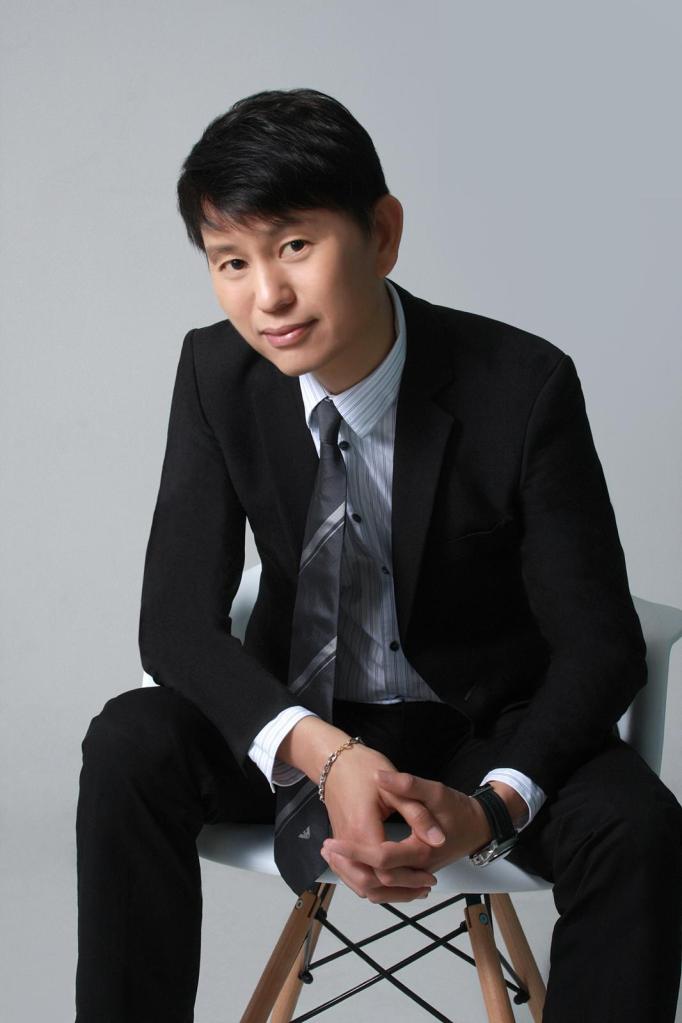
Meet Casey, who left a lucrative career to embraced a new path as a realtor, driven by a passion for community service. Beyond real estate, he is a dedicated advocate for animal welfare and underprivileged students, actively engaging in initiatives that promote education and support for disadvantaged youth.
Committed to holistic well-being, Casey also strives to educate others on the importance of health, fostering a compassionate and informed community.
What made you decide to leave a high-paying corporate job to pursue a career in real estate?
I had been working in the corporate world for over 30 years, rising from the rank and file to become the head of two major companies. I truly enjoyed my career because I always believed in working on something I was passionate about.
By 2020, I was already 58 years old, and I wondered whether I wanted to continue this rat race. The last four years of my corporate career were especially stressful due to changes in the board of directors, the company’s direction, and its vision. Without realising it, I was under a lot of undue stress, which was affecting my health including having severe eczema.
I made a conscious decision to take care of myself and focus on doing something I truly enjoy. After leaving the company, believe it or not, within one month, my eczema completely cleared. I understood that health is truly important. That’s when I decided I didn’t want to return to the corporate world.
I had a personal interest in real estate, and I happened to meet a friend who had also transitioned from the corporate world to real estate in his mid-40s. Over a coffee session, he asked me if I was interested in joining him.
Real estate was something I could do because it was almost like managing my own business. Plus, I could use my personal experience in property investment to help others. That’s why I decided to take the plunge.
How has your corporate background helped you navigate the real estate industry, both in the residential and commercial sectors?
In the corporate world, I handled retail businesses and managed offices, not just in Singapore as a regional HQ but also in other countries. This gave me valuable knowledge and a deep understanding of commercial, industrial, and retail real estate needs and requirements.
On the residential side, my personal property investment journey started in my 30s. Over the years, I gained financial freedom through real estate transactions. This firsthand experience is something I hope to share with my clients.
With both my corporate experience and personal real estate journey, I believe I can offer my clients valuable insights across residential, commercial, and industrial sectors.
What are some of the biggest challenges you faced in transitioning to real estate, and how did you overcome them?
The real estate industry is highly competitive. Right now, there are more than 36,000 agents in the market, many of whom have been in the industry for many years. So, as a newcomer, I had to figure out how to differentiate myself and compete with these experienced professionals.
Unlike some agents who specialise strictly in residential, commercial, or industrial real estate, my approach is different. My main focus is on my clients. Many of my clients own multiple types of properties, so I position myself as a comprehensive consultant who can provide expert advice across all property types.
Additionally, I want to engage with clients who share my passion for giving back. Working with me allows them to also contribute to causes such as animal welfare and helping the underprivileged. That’s how I differentiate myself from the competition.
What inspired you to set up a trust fund for both animals as well as for supporting tertiary students with their tuition fees?
Let’s start with underprivileged undergraduates. I personally come from a very humble background. My mom was not working, and my dad passed away very young, at 56, when I was only 14.
Basically, I had to earn my own money to pay for tuition fees and daily expenses. In Singapore, there are a lot of scholarships and bursaries, but only the smartest students can get scholarships. There are also bursaries available, but only those who are financially challenged can qualify.
There is still a large group of people who are stuck in between—they are smart enough but don’t qualify for scholarships, and they are financially challenged but still don’t qualify for bursaries. I believe many of them, like I did, work part-time to pay for their studies, and some even work to support their families.
That’s why I want to help these students. Through my personal contacts, I identify underprivileged undergraduates and support them with tuition fees so they can focus on their studies and not be trapped in the cycle of financial struggles.
As for animal causes, I love animals. Originally, when I retired, I thought I would do volunteer work to support animal causes like Voices for Animals because I love dogs.
However, I realised that many organisations struggle not with manpower but with funding. They need money to operate and maintain their efforts. Through my real estate services, I am setting aside 50% of my profits to establish a trust fund. My goal is that within 10 years, I will have accumulated enough to set up a sustainable trust fund to support these two causes.

Many people think wealth leads to happiness, but in reality, it’s health and wealth together that create happiness. That’s the balance we should aim for.
How do you balance your professional goals in real estate with your philanthropic ambitions?
You see, my philanthropic efforts are part of a 10-year plan. I still have my corporate mindset, so I have written down my vision, mission, and business plan, including short-term and long-term goals for the trust fund.
I am always mindful of why I am in real estate. My focus is different—mine is for a good cause. The real estate industry can easily become a rat race, like any other industry. That’s why I set milestone checks regularly.
I conduct an annual review to assess my progress. Am I achieving my targets? This ensures that my business and philanthropic goals stay aligned. It’s also important to balance my personal lifestyle. Taking care of my health is key.
You’re a firm believer in health and wellness. How do you think a person can balance both personal health and financial health?
I know it sounds cliché, but health is wealth, and I truly believe that. Many people chase wealth at the expense of their health without realising it. I had eczema for almost four years, mainly due to my pursuit of wealth and not taking care of my health.
We don’t want to spend our whole life building wealth, only to end up spending all our wealth trying to recover our health. Many people think wealth leads to happiness, but in reality, it’s health and wealth together that create happiness. That’s the balance we should aim for. Through my lifestyle, I hope to educate others about the importance of health as well.
What advice would you give to professionals looking to switch careers and follow their passion?
First, the most important thing is to ask yourself: What do I really love to do? What is my passion? What is my end goal? Many times, in the fast pace of life and in the rat race, we forget what we truly want. If you’re considering a career switch, take a step back and evaluate your life.
Passion is crucial because it helps you overcome obstacles. Success isn’t just about skill—it’s about mindset. Once you’ve identified your passion, set clear goals and create a plan. Have regular milestone checks, personal reviews, and evaluations.
It’s also important to seek advice from others and, if possible, find a mentor. Having the right people around you can help guide you and keep you on track.
Where do you see yourself, and what’s your vision for Singapore in the next five years?
I see myself expanding further. I want to establish myself in real estate and provide high-quality service, but with a purpose. I call myself a SWAP Realtor—which stands for Service With A Purpose. My purpose is to support the causes I believe in. I want to stay focused, build a team, and ensure that my efforts are sustainable.
I think the government is doing very well in focusing on health, and that is another area I want to focus on as well. Educating people about health, maintaining overall well-being through proper lifestyle habits, and helping individuals achieve both good health and a youthful appearance are important to me.
With the rising cost of healthcare and Singapore’s aging population, I hope the government continues to focus on this issue. I believe that even with an aging population, Singapore can still thrive and remain successful.
Connect with Casey: Facebook, Instagram and LinkedIn.