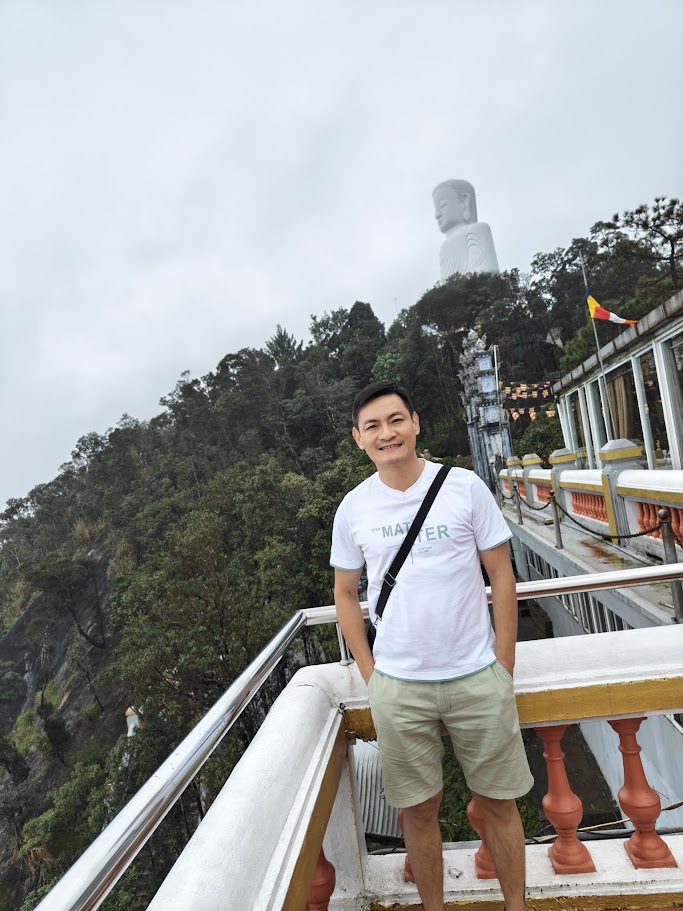
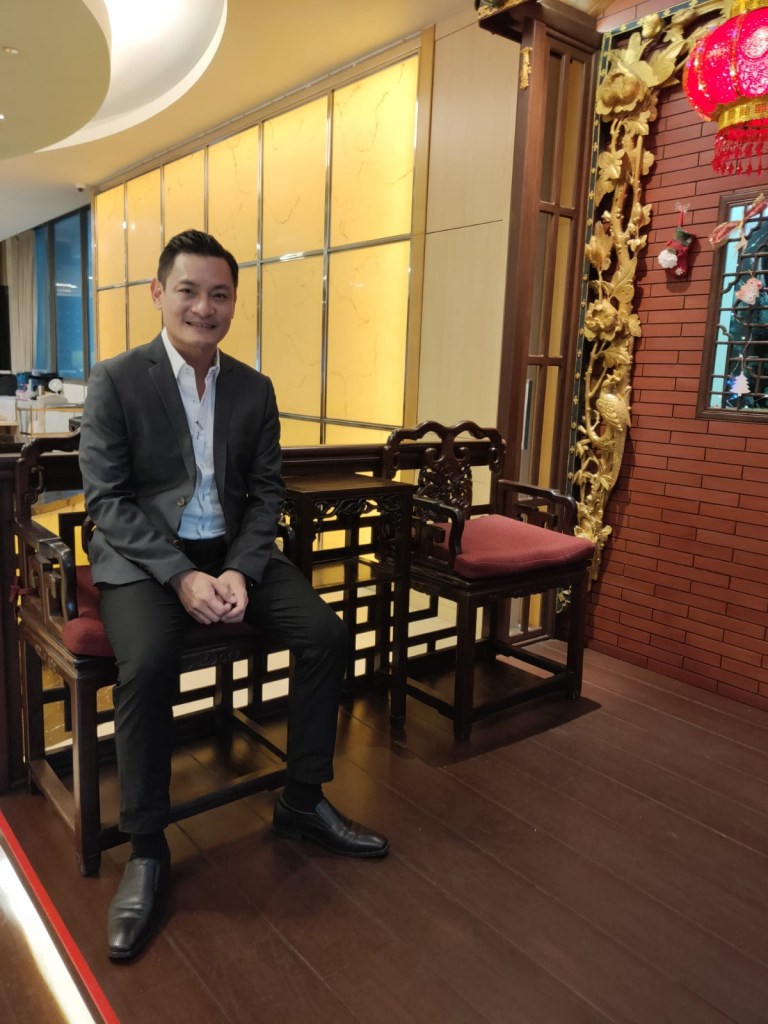
Meet Steven, a man with a heart for the community. As the Founder of Helping Joy Ltd, he, along with the volunteers, has helped countless physically and mentally challenged individuals and low-income families transform their living spaces.
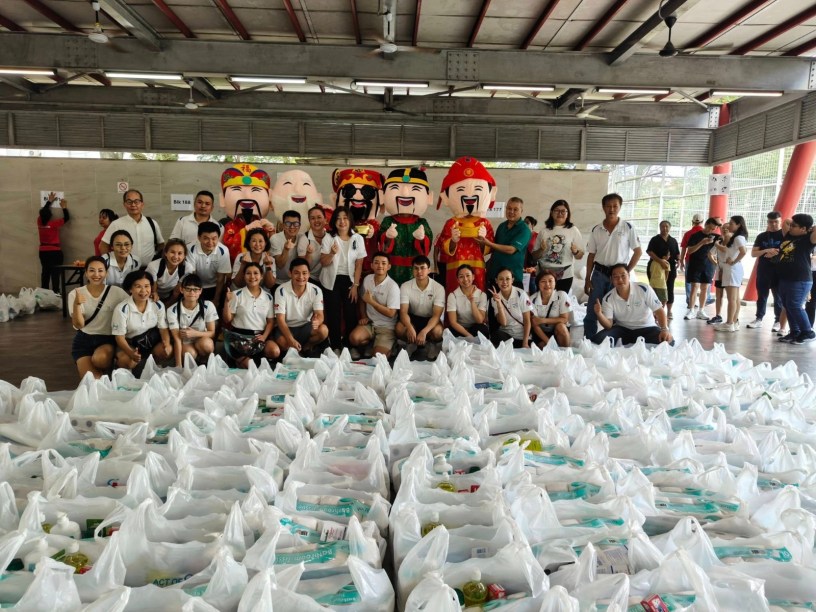
Founded on January 17, 2012, Helping Joy is dedicated to assisting the less privileged by decluttering their homes, providing house maintenance cleaning, befriending, delivering customised goodie bags monthly, and ensuring they receive a dignified final journey after they pass on.
What inspired you to start Helping Joy, and how did the idea of providing home cleaning services for the less privileged come about?
It actually started with an incident where I met an elderly woman. She approached me when I was a financial advisor. My client was late, so I was waiting at a pavilion when this elderly woman came up to me and asked for help.
Normally, people ask for money or try to sell tissue paper. But this elderly woman simply asked, “Can you help me come up to my house and take a look?” At first, I was skeptical. I wondered if it was a new tactic to ask for money. But since I had some spare time while waiting, I decided to go up with her. When I saw the condition she was living in, I was shocked.
Her house was extremely cluttered with metal scraps because she was once a karang guni (rag-and-bone collector). Due to her medical condition, she could no longer sell large items, and she hoped to have a safer, cleaner place to live. She needed help from people like us who are physically able.
Since I had a meeting with my client later, I couldn’t help her immediately. I told her to give me some time, and I would try reaching out to my friends for help—but I made no promises. After meeting my client, I went home and posted about her situation on social media. When I initially asked my friends for help, they discouraged me, saying, “Steven, don’t waste your time on these things.”
Many of them were focused on making money and improving their own lives. But I thought—why not? We are able-bodied. Why not use our strength to help someone in need? I had never volunteered before, so this was my first time. Through social media, I found new friends—people I had never met before—who were willing to help. Surprisingly, my close friends weren’t interested in doing charity work.
Five of us eventually went to clean the elderly woman’s house. We were deeply touched when she held our hands and, with tears in her eyes, thanked us. She told us that she had been asking for help for years, but no one came. A volunteer group had promised to come but never showed up. That was the moment I realised I needed to give back to society. Life isn’t just about making money.
What are some of the biggest challenges your team faces when helping those in need, and how do you overcome them?
The biggest challenges are always finding enough volunteers and securing funding. Every project requires financial support—for buying new furniture, electrical appliances, paint, and cleaning supplies.
To overcome this, we reach out to more people. In the past few years, we have connected with individuals, companies, community groups, and organisations like Rainmaker. We also increase our presence on social media. By coming together as a community, we can do more.
We also collaborate with other charities. Each organisation has different strengths, and by working together, we can be more effective.
How do you identify and reach out to beneficiaries who need your services the most?
In the beginning, when our team was small and no one knew about us, we went door-to-door, asking residents if they needed help. Over time, more charity organisations learned about us, and now most of our cases come through referrals—from hospitals, government agencies, the public, and other charity organisations.
We were deeply touched when she held our hands and, with tears in her eyes, thanked us. She told us that she had been asking for help for years, but no one came.
Can you share a particularly memorable story that highlights the impact of your charity’s work?
One of the most memorable cases involved an elderly woman with stage 3 dementia. Her house was cluttered, and if we didn’t clear it, the medical social worker wouldn’t be able to enter and provide medical assistance. What left a deep impression on us was something she wrote on the wall—it really touched us. That moment reinforced why our work is so important.
What do you think is the most common misunderstanding people have about those living in unclean or cluttered homes?
They might pass by a neighbour’s unit, notice the smell, and think, “Why is this house so cluttered?” Most people misunderstand because they don’t know the story behind closed doors.
But they don’t ask, “What happened? Why is it like this?” If we take a little time to show concern, we can check in with them and find out if they need help. Sometimes, what we see on the surface isn’t the full picture.
I understand Mr Desmond Lee, Minister for National Development, is Helping Joy’s advisor. How did this come about?
Whenever cases are flagged in Boon Lay, they will be referred to Helping Joy. Minister Desmond Lee will personally join the efforts for a few hours to help declutter and clean up the units, demonstrating his hands-on approach to community service. After a few sessions, he became our advisor upon our invitation.
He also ensures that all volunteers are well taken care of, providing them with lunch as a token of appreciation for their efforts. He is deeply committed to the well-being of his residents.
What are your future plans for Helping Joy, and how can the public support your mission?
Our future plans include getting more volunteers and encouraging more companies to join us through CSR (corporate social responsibility) initiatives. The public can support us by spreading awareness.
Singapore’s population is aging, and we need more people to recognise that helping others is not just about charity—it’s also about preparing for our own future. If we care for our elderly parents now, fewer people will need help later.
Where do you see yourself, and what’s your vision for Singapore in the next five years?
For myself, I don’t plan too far ahead. Life is unpredictable. From my years of experience, I’ve learned that things can change. If you’re struggling now, your situation might improve next year because someone might step in to help.
On the other hand, even if you’re financially well-off, something like dementia could take away your ability to manage your money. So, for me, I take things as they come. Every day, we do what we can to help those in need. That’s the most important thing.
Aging is something we can’t stop, but we can do as much as possible while we are still physically able. In the next five years, I hope more people will step up to help one another.
Connect with Steven: HelpingJoy, Facebook and Instagram.