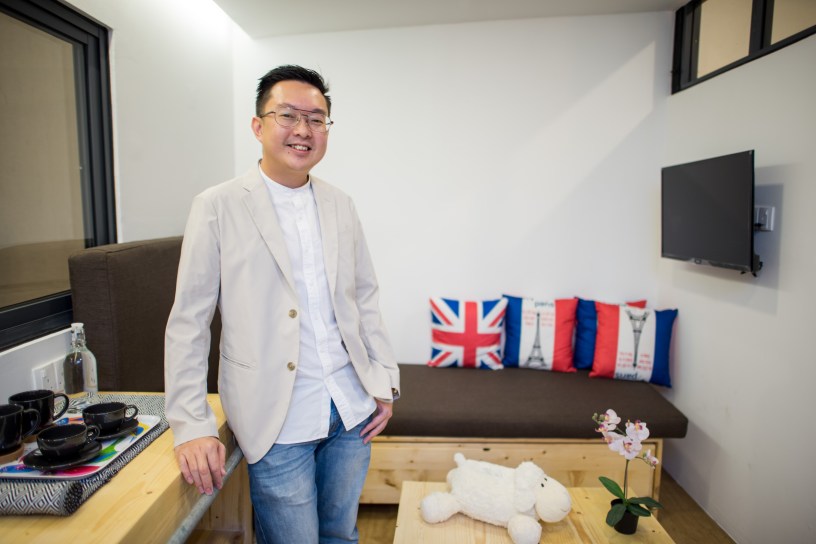
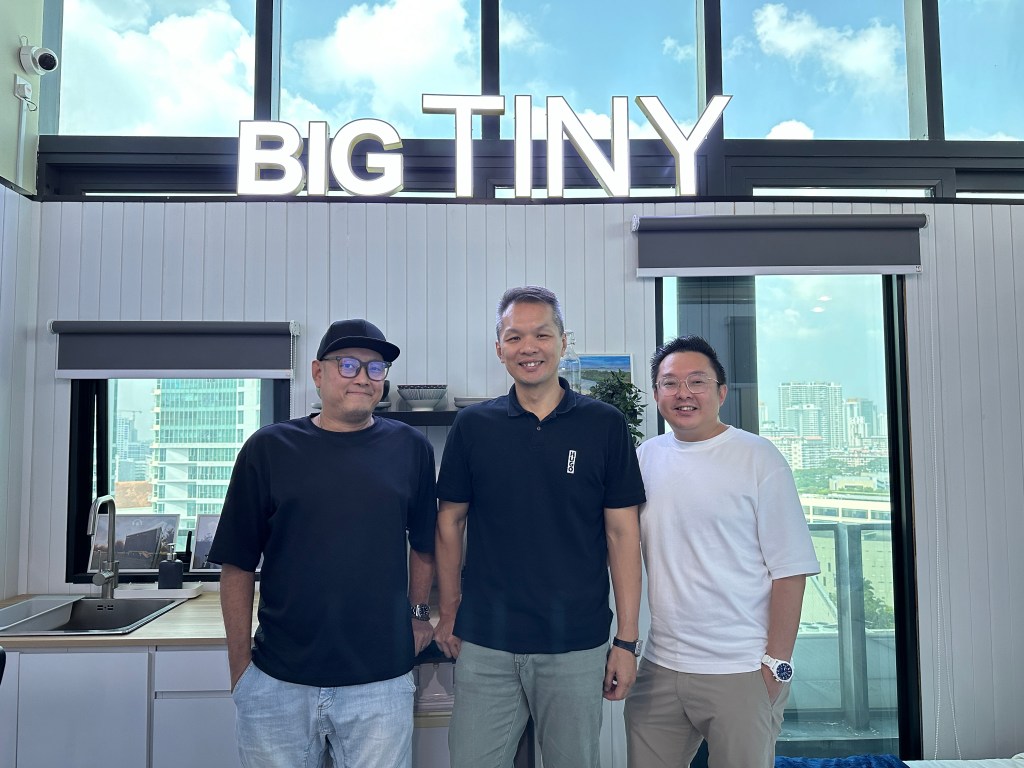
Meet Adrian, the visionary co-founder of Big Tiny, a company which integrates sustainable living with eco-tourism. He and his team realised that city dwellers needed an escape from their fast-paced, digital lives. Teaming up with his friends Dave and Jeff, he brought the global tiny house movement to life in a unique way—by placing beautifully designed, eco-friendly tiny homes in breathtaking rural locations.
Through strategic partnerships with land hosts and booking platforms like Airbnb and Booking.com, Adrian and his team have made it possible for people to unwind in scenic retreats, fostering a deeper appreciation for sustainable travel and simple living.
What inspired Dave, Jeff and you to turn your idea of building tiny houses into a full-fledged business?
Actually, in 2017, when we first started this business, the idea was very simple. It was mainly to curate experiential accommodation with tiny houses on wheels. Back then, the key idea was to bring city dwellers closer to nature using tiny houses. It was as simple as that.
But as we built the business, we realised that there was real demand. City dwellers were genuinely interested in being closer to nature, especially since we’re always glued to our phones and busy with work. That realisation prompted us to develop Big Tiny into a full-fledged business.
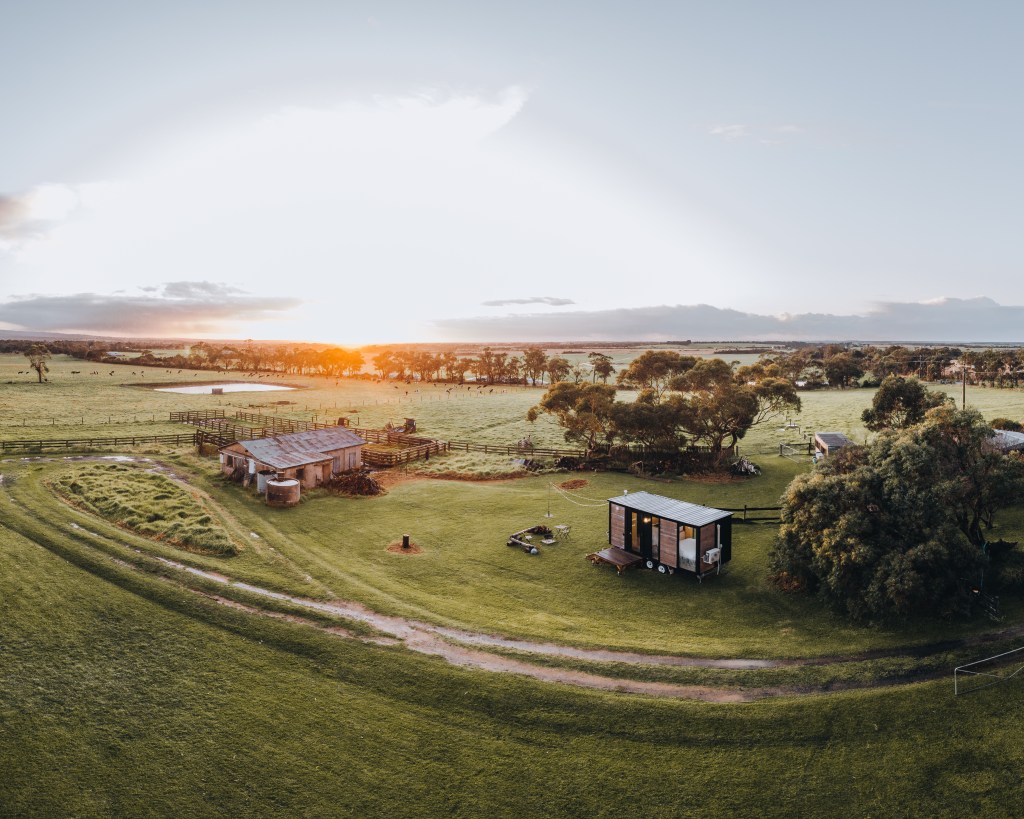
As we grew, we also expanded the ecosystem. We started working with land partners in Australia to host tiny houses. By hosting tiny houses, they could earn a side income from accommodation, which directly benefited local communities in Australia. Big Tiny combines the tiny house movement with ecotourism.
How do you balance sustainability while providing a comfortable guest experience?
Using tiny houses on wheels as alternative accommodations significantly reduces the carbon footprint compared to traditional buildings. That’s the first point.
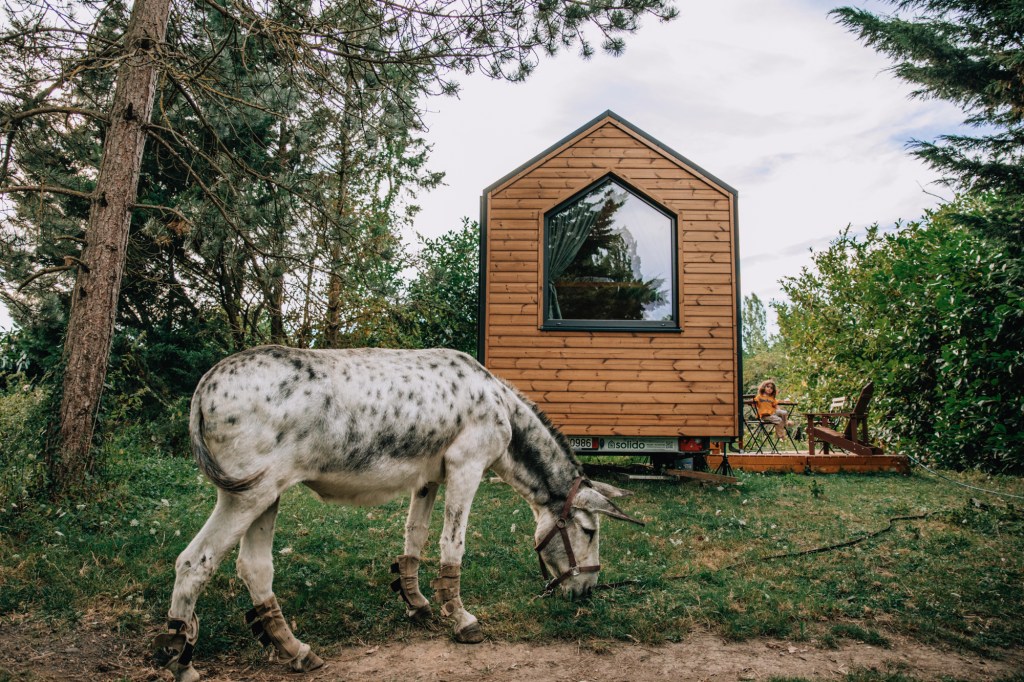
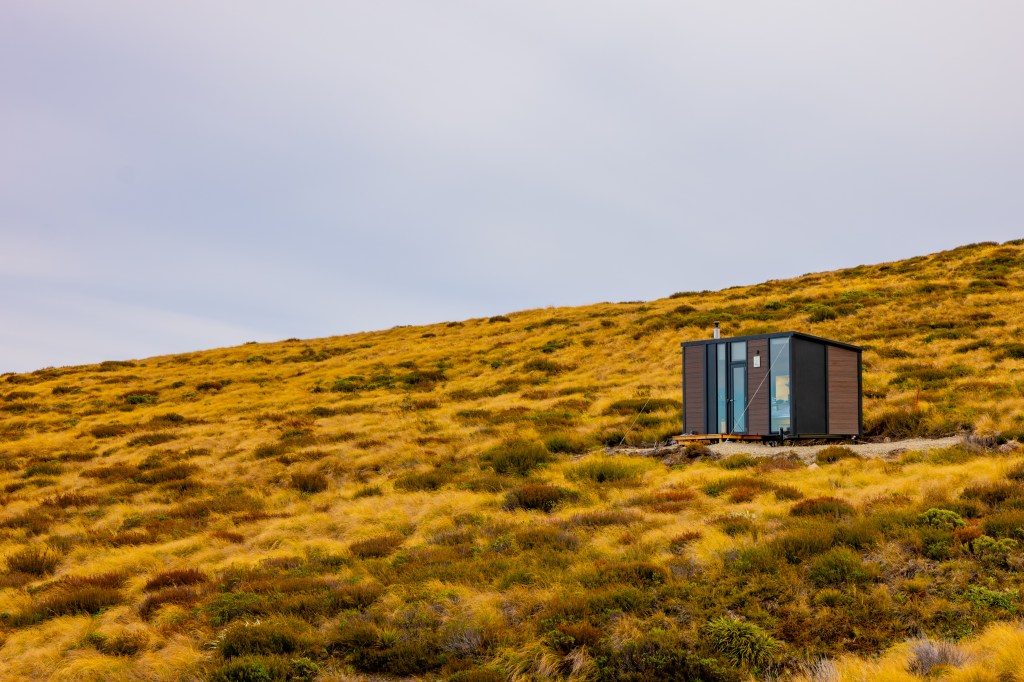
Second, being on wheels allows us to set up a tiny house without disturbing natural vegetation. There’s no need to clear land—we can simply deploy the house on-site. As for guest comfort, being Singaporeans, we wanted it to be comfortable. Our definition of comfort means we don’t want to be camping in the hot sun!
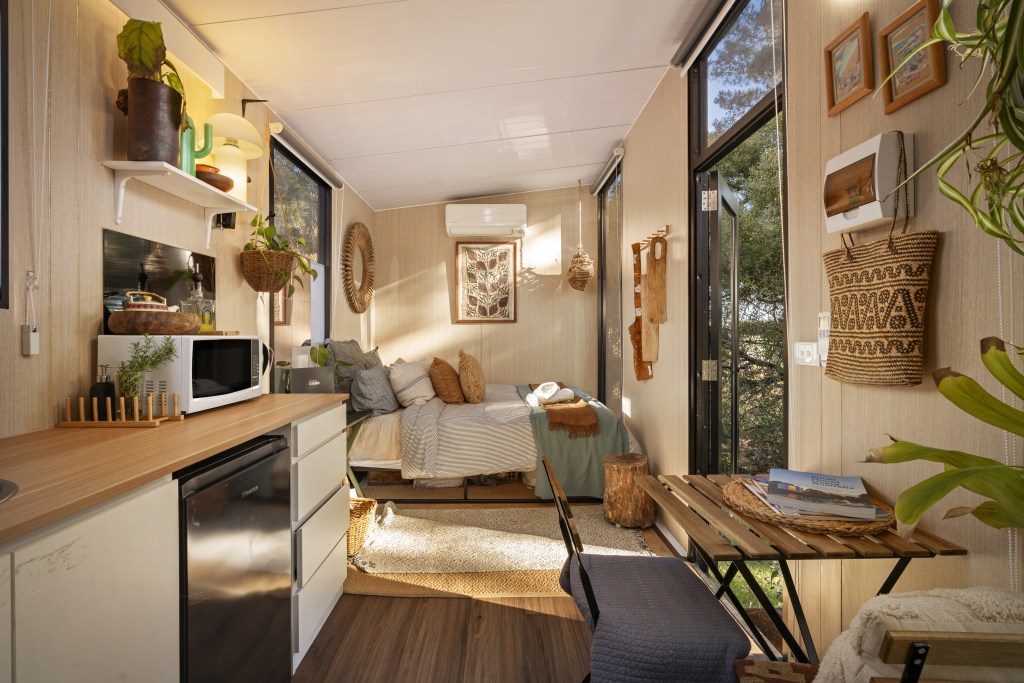
So, we provide air conditioning, hot water, and a queen-sized bed—ensuring guests can enjoy nature without compromising on basic comforts. To balance sustainability, our tiny houses also feature compost toilets and rainwater collection systems.
The compost toilets turn waste into fertilizer, which is particularly useful for farmers in Australia. This creates a self-sustaining ecosystem where waste goes back to the earth in a beneficial way.
What were some of the initial challenges in finding land hosts and setting up tiny houses in scenic rural locations?
Back in 2017, when we first started, the three of us are Singaporeans with no experience in Australia. We had no contacts, no track record, nothing. When we approached land partners, the first reaction was always, “Is this too good to be true?”
Our company was offering to place a tiny house on their land at no cost to them, and in return, they would get a profit share from the revenue. Naturally, without a single unit up and running, people wondered if it was a scam.
That was our first big challenge—building credibility and trust. The second major challenge was safety. Our tiny houses are in rural areas, close to nature, so we had to ensure they were safe for guests—not just in terms of crime but also from wildlife and natural hazards. These were some of the key hurdles we faced in the beginning.
How does the concept of downsizing and simplifying life resonate with your target audience, especially city dwellers?
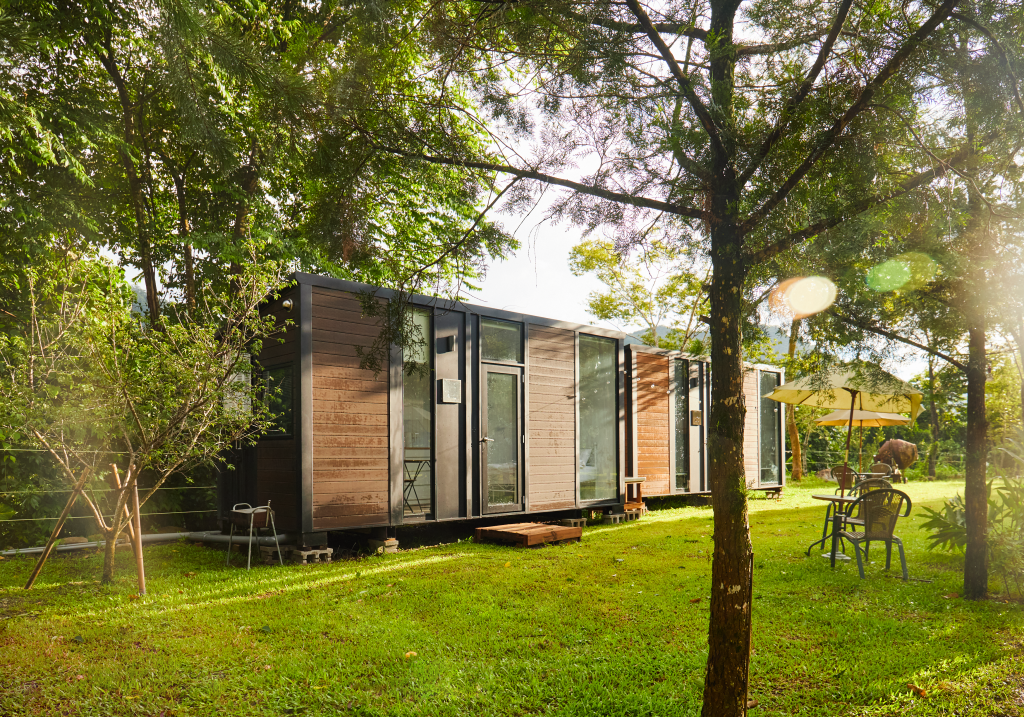
The idea of downsizing and simplifying life is at the core of the tiny house movement. However, for us, the concept goes beyond just having a smaller living space. We use tiny houses as a way to promote ecotourism and provide unique experiential accommodations.
It’s not just about living in a small space—it’s about reconnecting with nature and slowing down. That’s why our tiny houses don’t have TVs or Wi-Fi, encouraging guests to unplug. But at the same time, we’re not extreme about it—most of our locations still have 5G connectivity, so guests can stay connected if needed.
The tiny house movement is gaining traction globally. How do you ensure Big Tiny stays competitive and innovative in this growing market?
There are many new players entering the market, with more people building tiny houses as alternative accommodations. But in Australia, we currently have nearly 500 tiny houses across almost all states, making us the market leader.
We also have a presence in New Zealand, Europe, and Taiwan, making us one of the largest players globally in terms of both numbers and geographical reach. To stay competitive, we keep up with evolving travel trends.
For example, we’re receiving increasing requests for accommodations that cater to larger groups—families and friends who want to retreat together. Traditionally, we placed only two or three tiny houses per location. But now, we are developing larger “escapes,” where we cluster 20 or more tiny houses in one location with shared facilities.
We’ve already launched two such escapes—one in Grampians, Victoria, and another in Somerville, Queensland. Moving forward, we’ll be introducing more “escapes” across different regions. Beyond that, we recognise that people are seeking more than just a place to stay—they want experiences.
Can you share a memorable guest story or feedback that reinforced your mission to offer city dwellers a nature-based retreat?
We have been running for seven years on Airbnb, maintaining an average rating of 4.8 out of 5 and achieving Superhost status for five of those years. That alone validates the demand for nature-based retreats.
If I had to pick a personal story, I’d say it’s when I took my kids on a tiny house getaway in Australia. They experienced campfires, wildlife encounters, and saw flocks of cockatoos up close. Even now, they keep asking when we’re going back! That firsthand experience really reinforced the value of what we’re offering.
What are your future plans for Big Tiny in terms of expansion or new ecotourism experiences?
We will continue expanding in Australia and other countries where we already operate. We’re also expanding into Japan. Our first two tiny houses in Japan will go ‘live’ in the next one to two months.
Additionally, we are focusing on curating experiences with local communities. We’re setting up a dedicated team to work closely with locals, ensuring that our guests can enjoy more immersive, community-based experiences during their stays.
Where do you see yourself, and what’s your vision for Singapore in the next five years?
For myself, from a business perspective, we will continue expanding. On a personal level, I want to focus more on sustainability and ecotourism. Whenever we acquire land for developing Big Tiny Escapes, I always think about how we can build without harming nature.
Singapore is a small island with very limited land, so finding rural locations for tiny houses is challenging. However, we see strong interest among Singaporeans in both tiny houses and ecotourism.
That’s why we’ve introduced a model where Singaporeans can invest in tiny houses, and we manage the properties for them overseas. This provides them with a sustainable rental income while contributing to the growth of the tiny house movement.
Connect with Adrian: BigTiny, Facebook, TikTok and Instagram.

The vision to combine minimalist living with sustainable tourism—and to empower rural landowners—truly redefines how we think about travel and accommodation
LikeLike