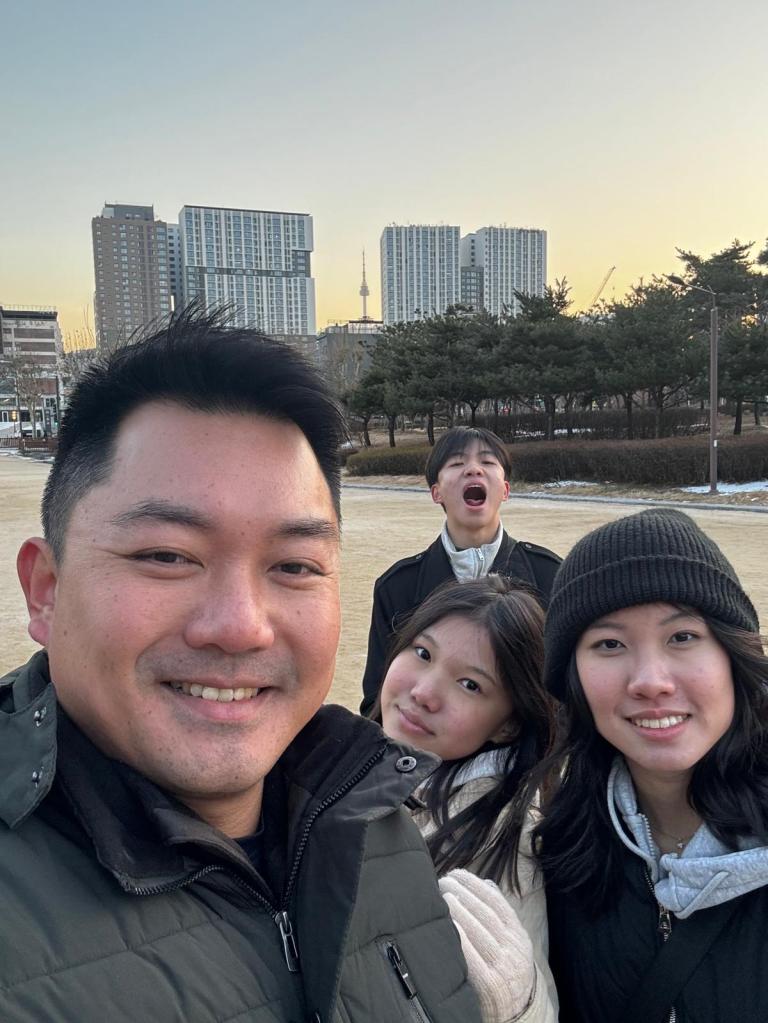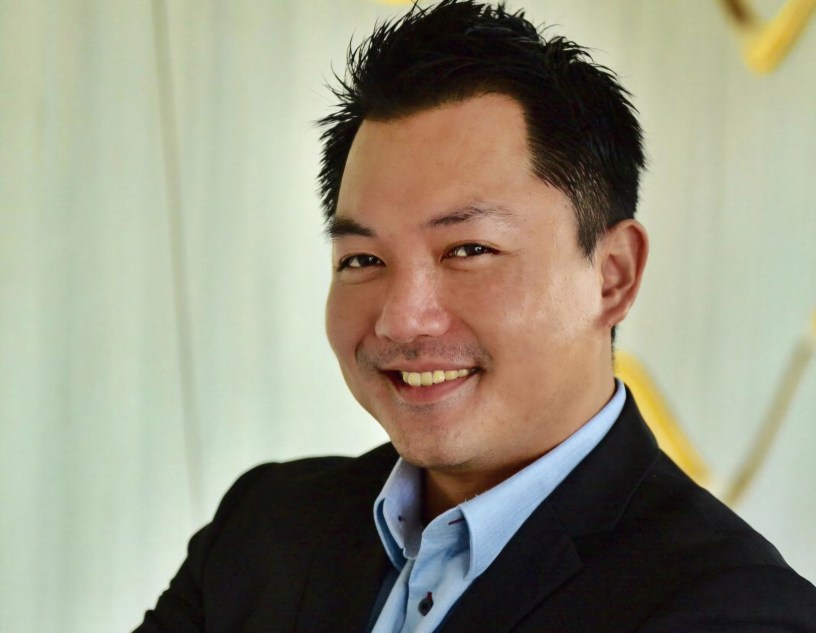
Meet Leonard, a dynamic entrepreneur with a diverse portfolio spanning multiple industries. From trading commodities such as coal, gold, and rice to offering bespoke carpentry services for commercial and residential spaces, he brings innovation and expertise to every venture.
His business acumen extends to financial services, including employee engagement programs and corporate insurance solutions, helping companies achieve holistic growth and stability. With a passion for creating value across different sectors, Leonard continues to build a legacy of success and versatility.
What inspired you to venture into such diverse industries, from trading coal, gold and rice to carpentry and financial services?
I started off with financial services. I’ve been here for more than a decade. And as you go along, you meet interesting people—people you can work with, people who open doors to new opportunities. Because of that, commodities trading came along through my wife’s connections. My wife had the connections, and I monetised them in the Asean region.
Carpentry was a different story—a friend sought me out to assist him with his business. I decided to walk with this friend of mine. We’ve known each other for many years, but we never really talked business until much later. Friendships are forged first, trust is established, and business opportunities follow.
How do you manage and balance these businesses’ operations effectively?
I work with people. People are the essence of any organisation. Starting with my finance team, my table is round, and every single one of my consultants is a stakeholder. They’re free to run their programs, and the team supports them. There’s no “I” in “team”—only “together everyone achieves more.”
In commodities, I work with partners who have opportunities and share interests in working with me. We share profits. In carpentry, it’s not a new business; the team is already in place. The carpenters and project managers are there. I come in to develop the business, bring in sales, and the operations team carries out the work.
What are the biggest challenges you face in the commodities trading sector, and how do you overcome them?
The biggest challenge in commodities is trust. You’re working with people cross-border, many of whom are not based in Singapore. Commodities is also not straightforward—you’re dealing with huge amounts of coal, rice, and other staples that only large corporations or countries purchase.
Transportation is another issue. As entrepreneurs, our job is to solve problems. That’s our value in the business. We find different ways and means to address the problems for both buyers and sellers.
Can you share how your carpentry services for both commercial and residential projects complement your other ventures?
Through carpentry services, I’m exposed to different groups of people—those in the construction sector, interior designers, and even end retail users. This allows me to network with groups I wouldn’t normally interact with.
Trust is key in my finance business, and I believe in bringing the network from other businesses back to my finance business. In finance, I work on a personal and company level. The carpentry business is relevant because it introduces me to new people and opportunities.
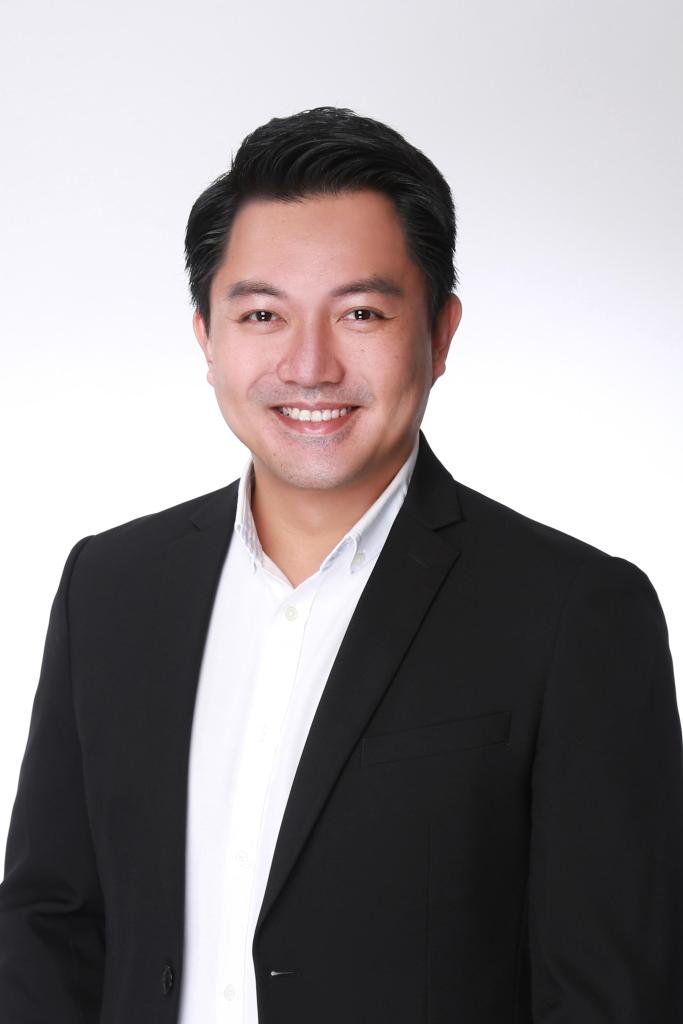
Business may not be good in the early years, but persistence and genuine effort lead to traction and opportunities. People can see your authenticity, and that builds trust and success over time.
What role do employee engagement programs and corporate insurance play in your finance services offerings?
We aim to solve a gap for HR. HR departments want to implement wellness and engagement programs for employees as part of their KPIs. We assist HR by providing vendors for health screenings and wellness initiatives at no cost to HR. This benefits HR by balancing costs.
We also raise awareness about personal insurance because many employees depend on company insurance without knowing it’s non-transferable in Singapore. If they switch companies or leave, they may be uninsurable if they have pre-existing conditions.
Educating employees reduces dependency on company insurance, benefiting both employees and companies. Claims experience affects premiums, so helping employees claim from their personal insurance first lowers company insurance costs.
How do you adapt to market fluctuations, particularly in the commodities trading industry?
Market fluctuations are constant in commodities due to changing prices. I’ve been fortunate to receive a distributorship from one of my principals. This allows me to take a more hands-off approach, as prices are set by the market and the principal. My role is to connect buyers and sellers and solve transportation issues for both parties.
What do you think makes a good entrepreneur?
A great entrepreneur has the right attitude, knows his or her purpose, and never gives up. Failure is giving up. My advice to entrepreneurs is that there’s no secret formula. Some may have blessings like wealth or family empires.
If you have such blessings, use them to grow your business and bless others. For those without such opportunities, as long as you’re invested and determined, you’ll find ways to succeed. Business may not be good in the early years, but persistence and genuine effort lead to traction and opportunities. People can see your authenticity, and that builds trust and success over time.
Where do you see yourself, and what’s your vision for Singapore in the next five years?
In financial services, my goal is to grow and strengthen my team. This business involves passing the baton—replicating success so others can achieve it too. My philosophy is to build a fortress around me by empowering those I work with. A strong team makes everyone stronger. That’s my vision.
Singapore is an excellent headquarters because of our strong rule of law, currency, and legal system. However, due to our small market, the growth opportunities lie in Southeast Asia.
The region is poised for growth despite global turmoil. Singapore has a strong brand that conveys a high standard of business and work ethics.
Connect with Leonard: LinkedIn, Facebook and Instagram.