
Meet Augustine, a dynamic entrepreneur dedicated to empowering SMEs by optimising their financial strategies. With a sharp focus on unlocking cash flow and navigating government grants, Augustine helps businesses access vital resources for growth and sustainability.
His expertise and hands-on approach have made him a trusted advisor for companies seeking to maximise their potential and thrive in today’s competitive landscape.
What inspired you to focus on assisting SMEs with unlocking cash flow and assessing government grants?
I feel that many SME business owners are unaware of the grants and subsidies available. If the government is providing these benefits—and we are taxpayers—why not utilise them? It’s like getting back our money through support programs.
However, there’s a big gap because business owners are caught up in daily operations. Even if they hear about these grants, they don’t know whom to approach or how to proceed. My consultancy firm has been around for the past 10 years to fill that gap.
What are the most common challenges SMEs face when applying for government reliefs or financial solutions, and how does your business help address these issues?
Firstly, we consult with them to understand their needs. Some clients know what they want and come directly to us. However, about 70% have no idea what they are eligible for or which grants apply to their situation. Grants don’t come from just one government organisation; they may be a mix from various agencies.
For instance, IT solution grants may come from Enterprise Singapore, while manpower-related grants come from Workforce Singapore. Businesses can apply for both simultaneously from different agencies. They require experts like us to guide them.
Even when they find out there is a grant, they often don’t understand the website information or find the paperwork tedious. Once they see the documentation requirements, they think, “This is not for me.” That’s where we come in.
How do you stay updated on the latest SMEs reliefs, government grants, and financial options to ensure that your clients get the best deals?
Every year, when the Finance Minister announces the budget, most people focus on GST changes for individuals. As grant consultants, we focus on allocations for SMEs business owners. We review any new or removed grants. Occasionally, clients inform us about specific grants their friends mention.
If we find it viable and relevant to many businesses, we invest resources to investigate further. However, if it’s a very niche grant with limited impact, we don’t prioritise it.
Can you share a situation where your services made a significant impact on an SME’s cash flow or business growth?
One example is a manpower grant we worked on. We helped a client hire two or three employees while enjoying a 70% subsidy for six months. This resulted in savings of $20,000 to $30,000 in manpower costs. The grant transitions employees from management trainees to full-time roles.
After the six-month program, if the employee and company find it a good fit, they can convert to full-time employment. If not, the candidate leaves. This benefits both the company and the trainee by offering a trial period with government support.
What sets your company apart from other companies offering similar services to SMEs?
Our firm provides a quality assurance guarantee: if the government grant we apply for is not approved after the second attempt, we offer a full refund within 14 working days. Many competitors charge clients paperwork or administrative fees even when applications fail.
We believe that if we don’t deliver, we shouldn’t charge clients. Additionally, we have a strong follow-up process. Our admin team continuously prompts clients for required documents, which is essential because grants often require prompt responses from applicants.
Business owners get busy, so we need to be persistent and patient. Our effective follow-up and 100% refund policy set us apart from competitors. We’ve been doing this successfully for a decade.
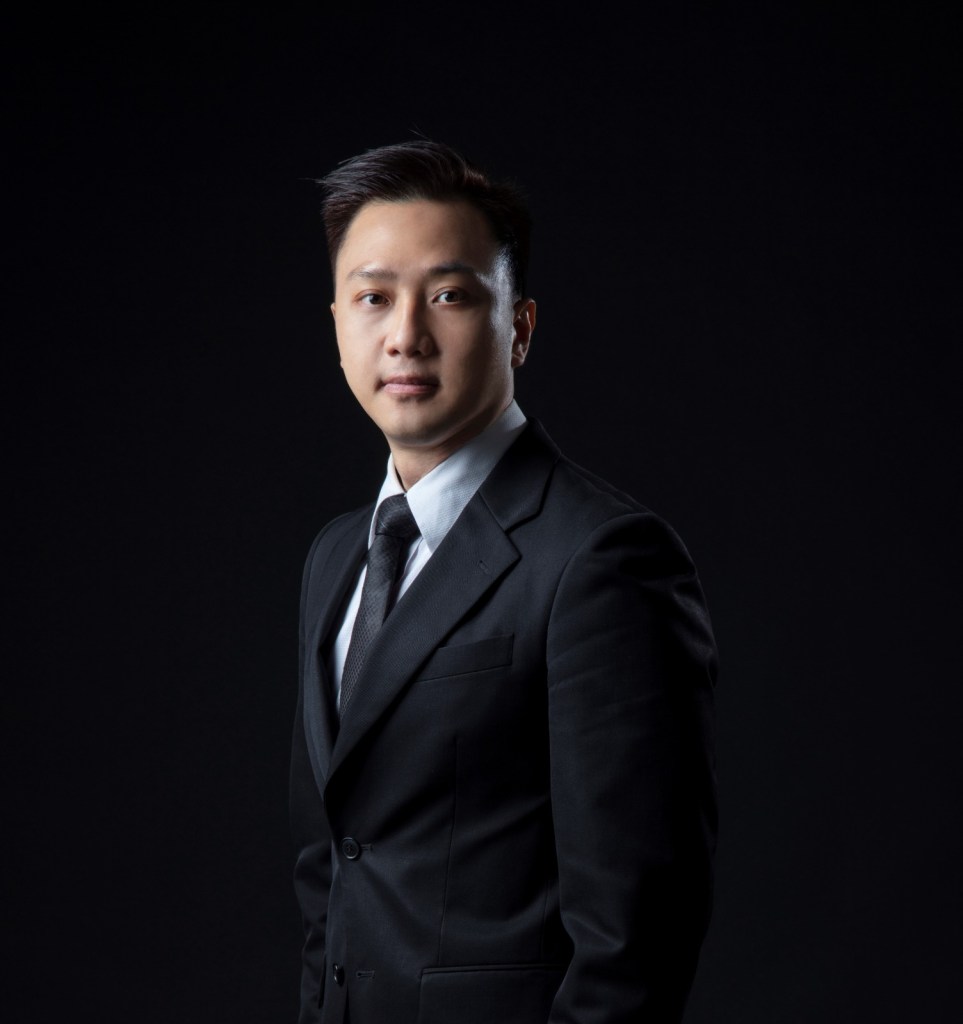
A successful entrepreneur is one who can lose his or her phone for two weeks, and the business will still function seamlessly.
What do you think makes a good entrepreneur?
They are on the business, not in the business. What do I mean by that? Most entrepreneurs, especially solo entrepreneurs or those operating on a small scale, tend to be heavily involved in the business. It’s good to be hands-on and understand operations—that’s fair enough.
However, once the business crosses a certain tipping point, perhaps after a few years, remaining too deeply involved becomes a problem. If the business cannot function without the entrepreneur’s constant presence, there’s an issue.
If they constantly need their phone and don’t have a self-sustaining team, that’s problematic. A successful entrepreneur is one who can lose his or her phone for two weeks, and the business will still function seamlessly. Those who can duplicate or create systems that operate efficiently without their constant involvement are what I consider truly successful entrepreneurs.
What are your future plans for expanding or enhancing your services to further support SMEs in overcoming cash flow challenges?
Other than helping with grants, we also assist with corporate financing by working with corporate financing partners to unlock more cash flow potential. One of our future plans is to focus on our existing clients who provide word-of-mouth referrals, as well as our referral partners like corporate loan and corporate secretary providers.
I’d rather operate through referrals than constantly hunt for brand-new clients who may have trust issues if they haven’t used our services before. Secondly, we’re also looking at potential overseas expansion. If our clients are expanding into Malaysia, Indonesia, or other countries, we collaborate with overseas partners who have expertise in those markets to provide solutions for them. These are the directions we are moving toward for growth.
Where do you see yourself, and what’s your vision for Singapore in the next five years?
For myself, I see us working with corporate partners and solution providers to assist businesses in adopting tailored solutions for different industries. Automation requires customisation based on each industry’s specific needs. Even in F&B, the requirements differ depending on the cuisine or operational style.
Like it or not, we are in an era of AI automation. Unfortunately, I see many business owners still operating manually. It’s difficult for those who’ve been in their field for five to ten years to adopt new technologies and automation solutions. However, adopting AI—even for digital marketing or creating AI-generated videos—will be essential as the market moves in that direction.
In terms of government initiatives, there’s also a growing emphasis on sustainability. Big MNCs are being forced to buy carbon credits and track their carbon footprints. So I believe that in the next five years, the business landscape will heavily focus on digitalisation, AI automation, and sustainability.
Connect with Augustine: SupremeSolution, TikTok and Instagram.
