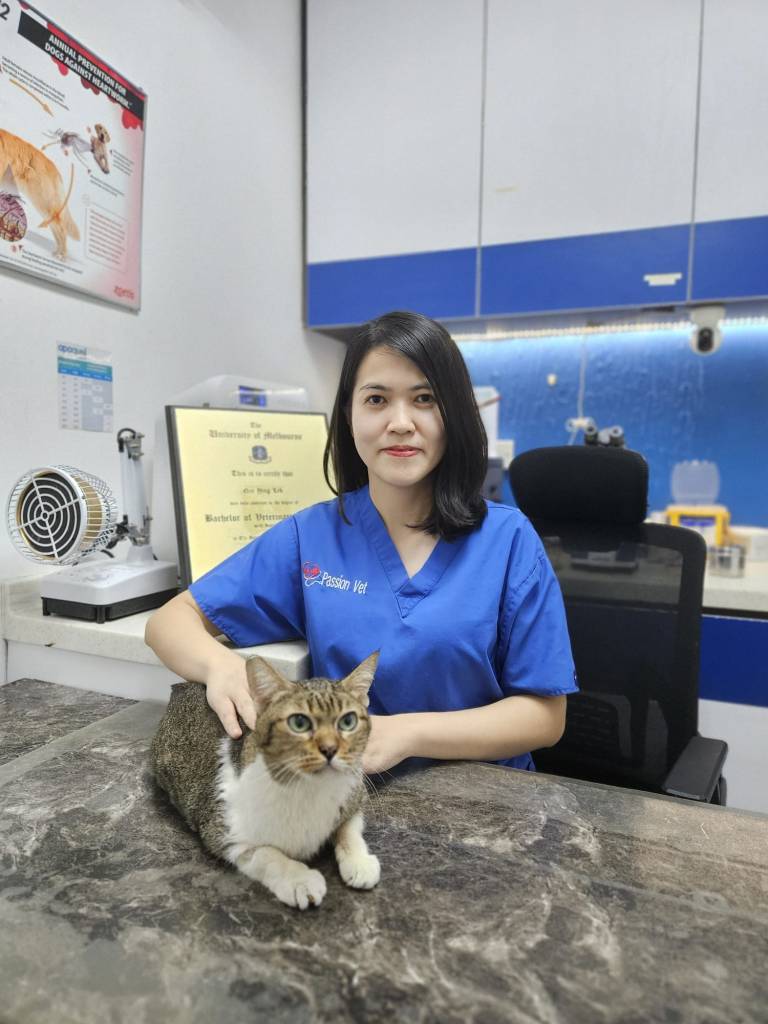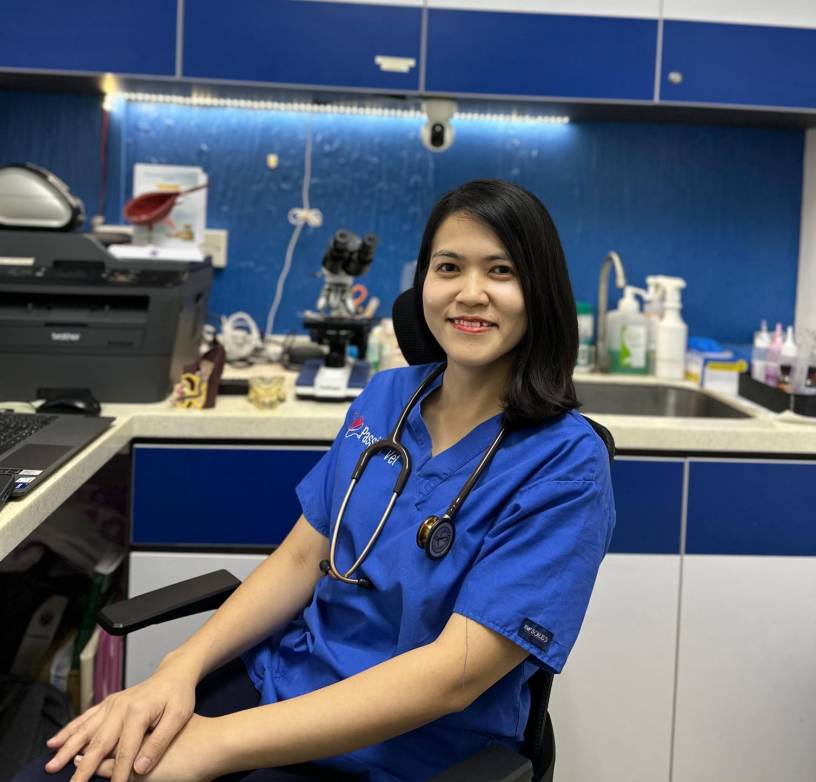
Meet Dr. Kerrie, a compassionate veterinarian who goes beyond conventional care to provide holistic healing for animals. Combining her expertise in traditional veterinary medicine with acupuncture and herbal remedies, she offers an integrative approach to pet health.
With a deep understanding of how alternative therapies can complement modern practices, Dr. Kerrie is dedicated to improving the well-being and quality of life for every animal under her care. Her innovative methods have made her a trusted name among pet owners seeking comprehensive and natural solutions for their beloved companions.
What inspired you to study veterinary medicine, and how did it start?
Growing up, I was always passionate about animals. Caring for my terrapins and hamsters sparked an interest in this field. I volunteered in a shelter and saw kittens dying without their mother. This further cemented my desire to pursue a career in veterinary medicine to help animals. This path allows me to provide better care for animals and work in this field lifelong.
I understand you are also trained in veterinary acupuncture and herbal medicine. Can you explain how these two fields complement veterinary care?
Veterinary acupuncture and herbal medicine fill gaps in Western medicine. Acupuncture, combined with Western supplements and medications, enhances treatment effectiveness, particularly for joint and nerve issues.
A lot of our furry patients undergo acupuncture for intervertebral disc disease and joint pain. Some patients come in unable to walk or dragging their feet, but after a few sessions of acupuncture and supplements, they improve tremendously.
Herbal medicine is also valuable for chronic skin conditions and cancer, improving outcomes when used alongside Western medications.
With your background in professional dog training, how do you integrate training insights into your veterinary practice?
I did a course in professional dog training, which enables me to better understand individual pet needs and owner concerns. I incorporate training techniques into consultations, educating owners on better pet care and providing training tips.
How do you approach advanced orthopedic cases, and can you share a memorable success story?
I recall a cat that fell, fracturing both hind limbs. It was a complicated fracture repair. Three days after surgery, she could walk well on one leg but was dragging the other—a sign of nerve damage from the fall.
After three acupuncture sessions, the cat regained mobility and was able to walk well. Continued treatment for another two weeks enabled the cat to jump and run again. Our team and the owners were all delighted with the successful outcome.
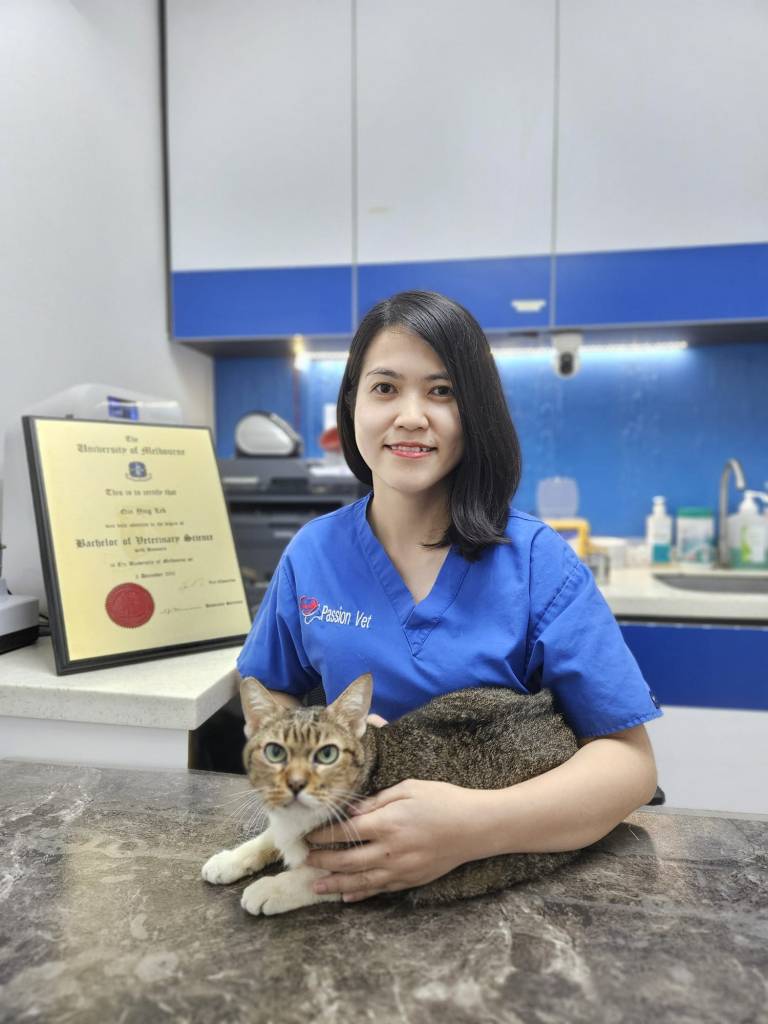
Some animals can get “aggressive” during visits. How do you go about “calming them down”?
To minimise stress, we prescribe calming medications such as gabapentin before the visit. The owner administers the medications the night before and three hours before the stressful event.
Pet owners can also consider using calming sprays such as Feliway for cats and Adaptil for dogs. For cats, having secure carriers and covering them with a towel to create a dark environment during transport helps them feel safe.
Owners can also bring along their pet’s favourite treats for us to offer during the consultation. These methods ensure a safer, more comfortable experience for pets.
What challenges do you face when introducing alternative therapies like acupuncture or herbal medicine to pet owners?
Some owners may be initially skeptical about traditional Chinese medicine and acupuncture. However, we have a large number of successful cases, and we emphasise the long history and scientific backing of these therapies, demonstrating their effectiveness in improving pet health.
What advice would you give to pet owners about preventive care, especially for conditions related to joints and overall mobility?
Prevention is key. I recommend starting joint supplements early, maintaining regular exercise, and monitoring pets for signs of joint issues. Early intervention with supplements, medications, and acupuncture can prevent disease progression.
Where do you see yourself, and what’s your vision for Singapore in the next five years?
Our clinic is dedicated to providing comprehensive and convenient services, including home delivery and teleconsulting. I envision continued innovation, making pet healthcare more efficient and accessible.
There is an increase in the number of pets in Singapore, and veterinary care will also advance and improve with new medications and innovations. I aim to enhance my surgical expertise and hope to contribute to advancing Singapore’s pet healthcare.
Connect with Dr. Kerrie: PassionVet and Facebook.