Meet Elizabeth, the driving force behind the continued success of Kueh Ho Jiak, a heritage-rich family business rooted in the tradition of Nonya kueh-making. Partnering with her mother, Sandy Tan, who honed her culinary skills as a young girl in her kampung, Elizabeth has taken this multi-generational legacy to new heights.
From humble beginnings in a makeshift food cart to being recognized as a UNESCO heritage hawker, Kueh Ho Jiak now offers catering services, online deliveries, and live cooking stations at events. Elizabeth’s vision ensures that the rich tradition of Nonya kueh is preserved while evolving to meet the needs of a modern audience.
What inspired you to leave your marketing career and dive into modernising traditional kueh-making and building a business with your mom?
I think it all started from curiosity. I couldn’t understand how my mom could sit there for hours making kueh when, at that time, we were running a home-based business. At that time, I was running my curtain business, and I kept wondering why my mom would spend so much effort earning just a few cents from each kueh.
She didn’t even know how to do marketing or use social media. Her business grew purely through word of mouth. People who tried her kueh or received it as a gift would come back and place orders.
She also noticed children didn’t want to eat traditional kueh. Her mission was to preserve this heritage and culture for future generations. That really struck a chord with me. I started helping her with research and marketing. Over time, I realised that it’s a meaningful and purposeful job.
How did you come up with the concept of making the kueh more Instagrammable, and what role do aesthetics play in attracting younger customers?
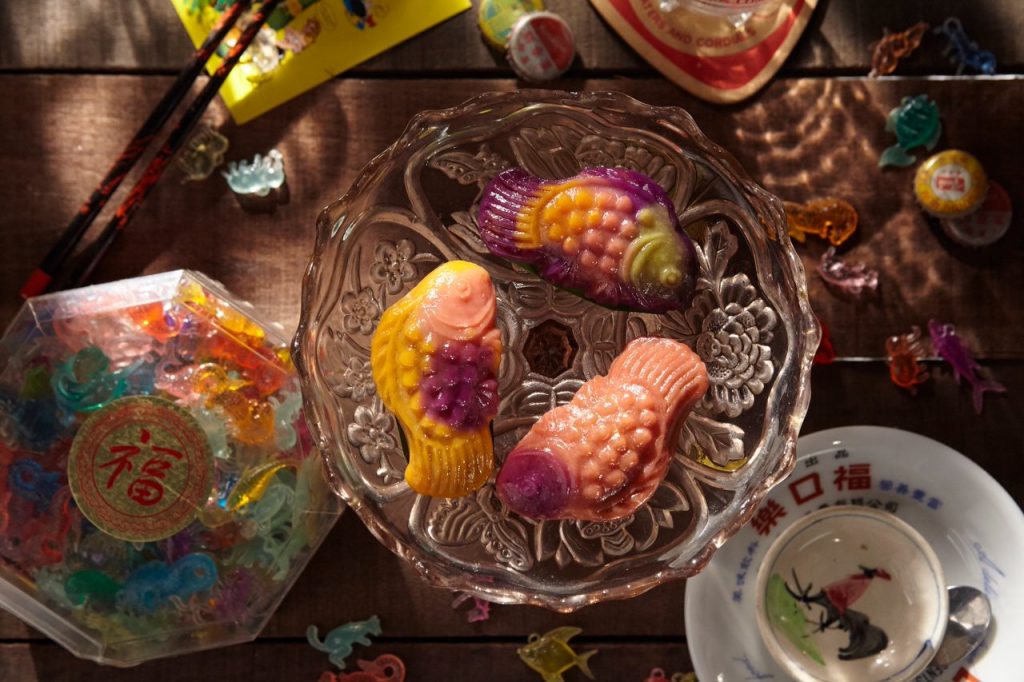
Actually, my mom was the amazing one who started with creative designs like bear and heart shapes. When I joined the business, I focused more on flavours. I created unique ones like hebi hiam kueh, otah biscoff kueh, and truffle kueh—flavours you wouldn’t find elsewhere.
These required a lot of R&D. I also started attending various events. Because our kueh looked so cute and trendy, vendors were keen to invite me, thinking it would attract young people. But I quickly realised that most young people don’t eat kueh. I remember one event at Orchard 313 car park years ago.
It was beautifully set up, with long queues for ice cream and macarons, but no one lined up for my kueh, even though I had added lights and made it visually appealing. I had to give out free samples. When I asked people to try, many said, “Sorry, I don’t eat kueh.” That was discouraging but also eye-opening.
I realised younger generations associate kueh with something only older people eat. That’s when I changed my approach. I started introducing it as a dessert, likening it to mochi. Once they tried it, they loved it. That feedback gave me the motivation to innovate and create new flavours to bridge the gap between tradition and modern tastes.
What challenges did you face in balancing modernisation while preserving the authenticity and flavours of traditional kueh?
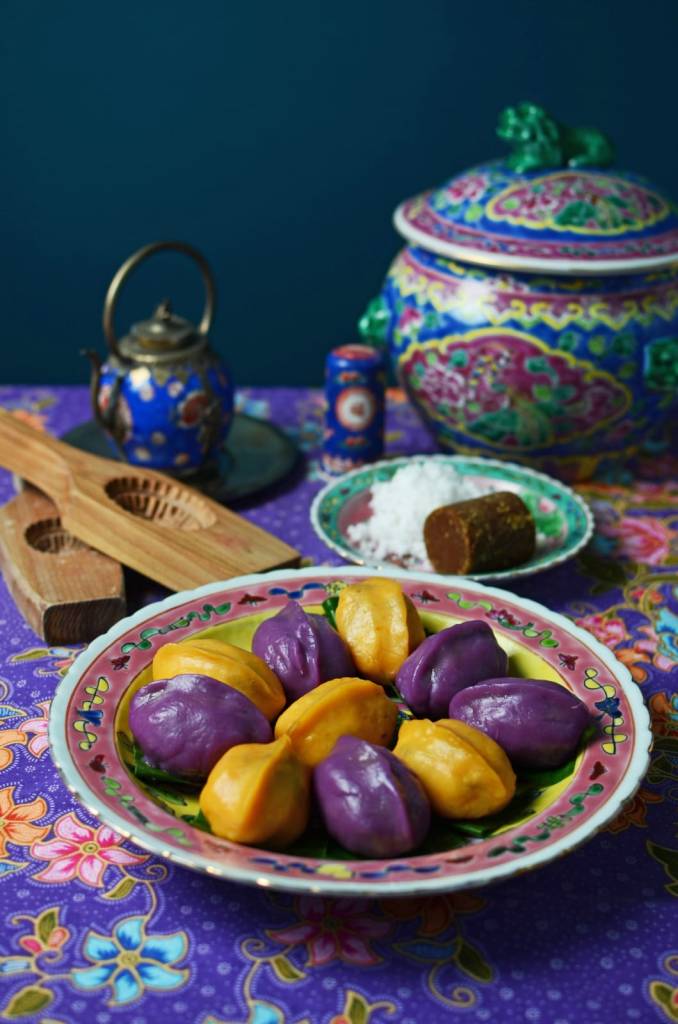
We have been featured in newspapers for creating sweet potato ang ku kueh, but many people don’t realise that the very original ang ku kueh was made from sweet potato. So, in a way, we are sticking back to its roots.
However, this approach comes with challenges, especially from a business perspective. Sweet potatoes spoil quickly, making them less feasible for commercial use. Modern consumers want products with longer shelf lives, but we press on because sweet potato is a healthier ingredient, rich in fiber.
Another challenge is cost. Sweet potatoes, especially high-quality varieties like Japanese sweet potatoes, are expensive compared to traditional flour, which is why most businesses don’t use them. Despite this, we continue using sweet potato, even though it results in lower profit margins. It took us seven years of R&D to perfect the ang ku kueh.
Sweet potato has only five natural colours, we don’t play with artificial colours. Instead, we get creative with designs. We use less flour and more sweet potato in our dough, making our kueh healthier. A test conducted by one of the channels confirmed that our ang ku kueh is healthier because it contains more sweet potato than starch.
Can you share more about the kueh-making workshops?
At the start, our target audience was mainly people in their 50s to 60s. Over the years, our target audience has shifted to people in their 20s and 30s, which has been a significant change. In recent years, I’ve been conducting workshops to preserve our heritage and culture. One of the ways I do this is by organising preschool workshops.
Kids are the future, so I teach them simple techniques to make ang ku kueh. They learn by doing, and it leaves an impression—they even draw pictures of ang ku kueh afterward. It’s a small but effective way to preserve our heritage.
We also conduct team-bonding workshops for corporate groups. Since we’re halal-certified, we can cater to a wider audience. These workshops let participants make kueh and appreciate the tradition behind it, helping to keep this culture alive.
I had to give out free samples. When I asked people to try, many said, “Sorry, I don’t eat kueh.” That was discouraging but also eye-opening.
How do you ensure your kueh maintains high quality and uses only fresh, natural ingredients?
We don’t add preservatives. Our customers are health-conscious and appreciate that our kueh is less sweet. We also don’t outsource the fillings. If we bought them from others, they would likely contain preservatives and more sugar, as sugar acts as a natural preservative.
We use more sweet potatoes, less sugar, or replace sugar with gula melaka. Most kueh out there contain preservatives for longer shelf life, but we prioritise freshness.
What are your thoughts on the future of the kueh-making industry, and how do you see your business evolving to keep this tradition alive?
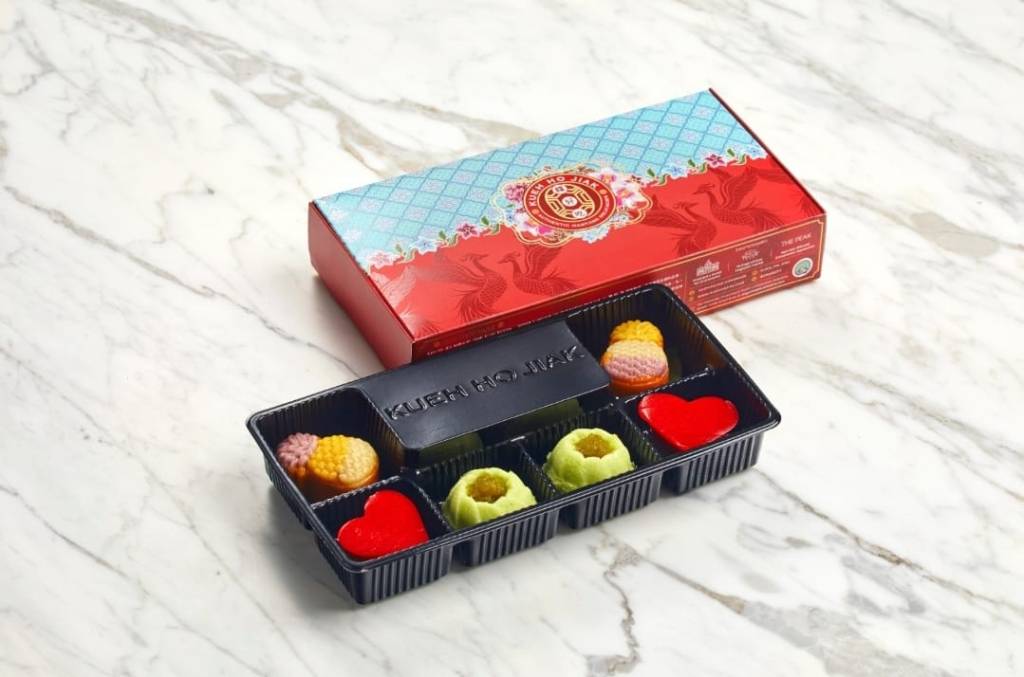
I think the current generation finds heritage “cool,” but they don’t want it to be overly traditional. There needs to be a balance. For instance, in our gift boxes, we include traditional-shaped kueh alongside modern designs to create curiosity and appeal to a broader audience.
Presentation is also critical. Food must be visually appealing—what I call “Instagrammable.” We adapt to what our customers want while staying true to tradition.
What advice would you give to other entrepreneurs looking to modernise traditional trades or family businesses?
Modernisation takes effort and money, especially in educating customers. It’s a costly process, but persistence is key. If you have passion, you’ll find ways to overcome challenges. Without passion, if the business stops being profitable, you might give up.
For family businesses, it’s normal to have arguments. If someone tells me they’ve never quarrelled in their family business, I wouldn’t believe it. There are always differences, especially between generations. I’m lucky my mother is quite modern, so the clashes are manageable. The key is to prioritise the relationship. If the relationship isn’t strong, the business won’t succeed.
The kitchen is the heart of the business, and if the family dynamic isn’t good, it’ll affect everything. For entrepreneurs, I’d say the future lies in modernising tradition. Our parents’ generation is aging, and hawker culture is already evolving.
Where do you see yourself and what’s your vision for Singapore in the next five years?
I want to focus more on women empowerment and nonprofit initiatives. I feel strongly about addressing mental health issues, especially after COVID-19, which exacerbated depression and stress for many people. This year, I planned therapeutic workshops where participants can spend two hours away from their phones, working with their hands. It’s a way to reset the mind and body. I’ve consulted psychologists and nutritionists to ensure the programs are effective.
Honestly, I feel Singapore is becoming more expensive. The cost of living, rentals, and ingredients are rising, but incomes aren’t increasing at the same rate. It’s creating a lopsided situation. Businesses are struggling, and it’s tough for people to afford what they want. Still, we’ll continue doing our best in what we do, evolving and adapting to the challenges ahead.
Connect with Elizabeth: KuehHoJiak and Instagram.