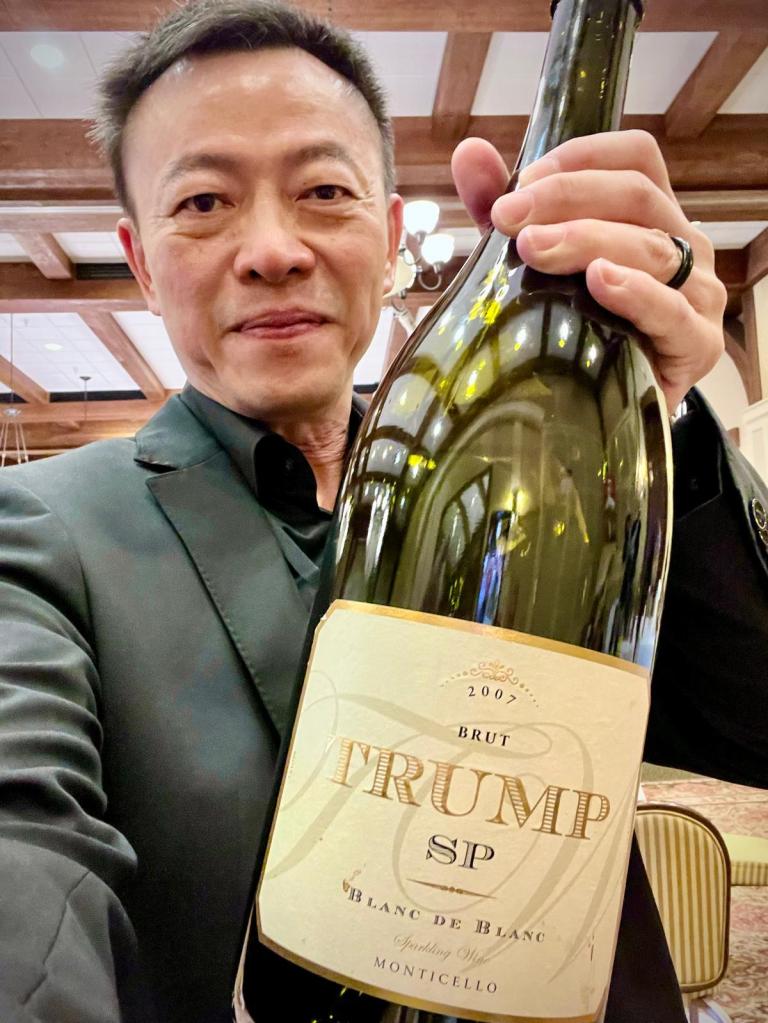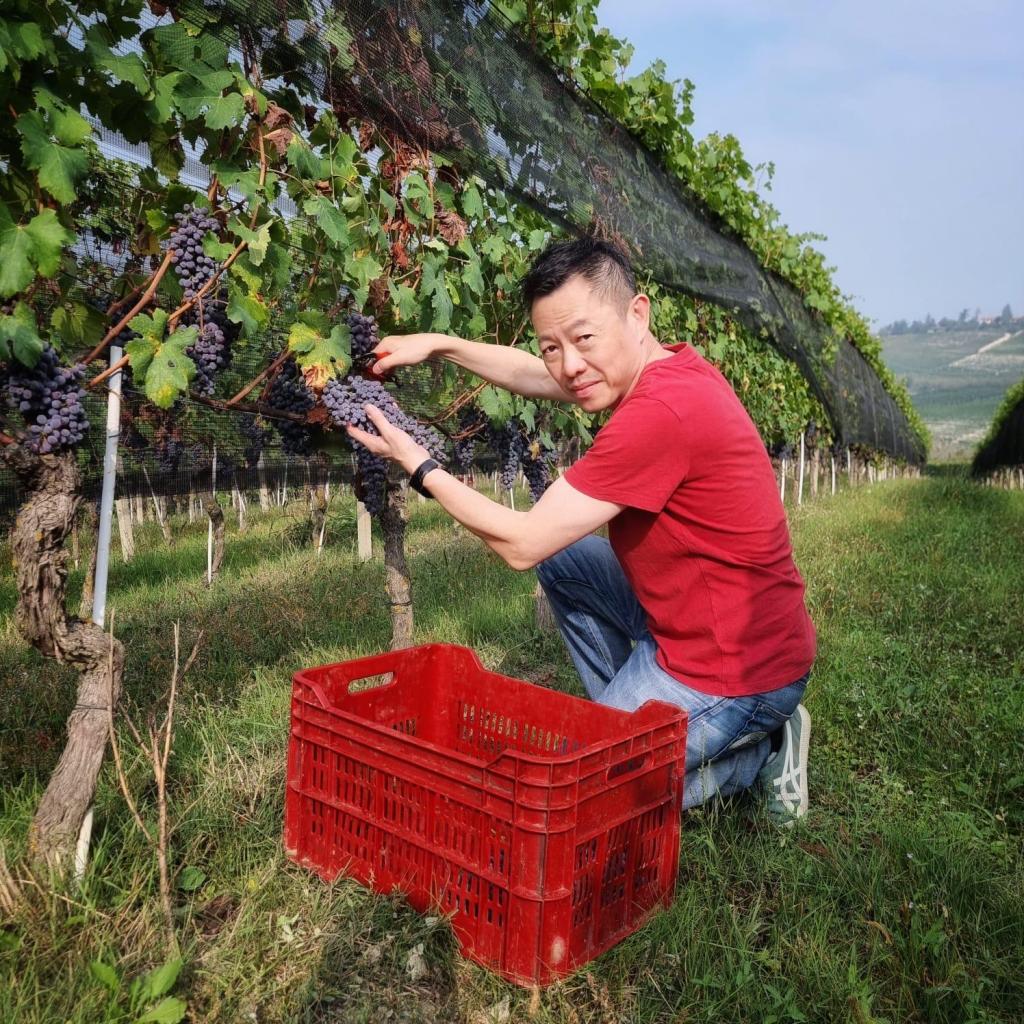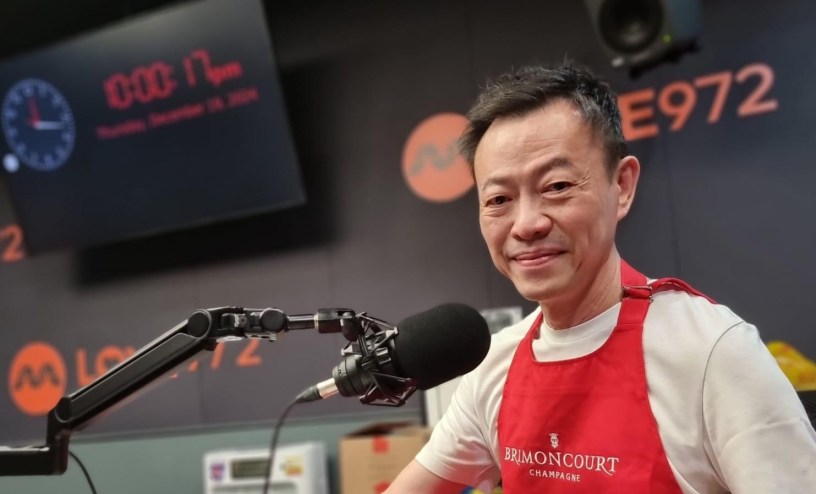
Meet Patrick, an esteemed figure in the wine and spirits industry, who wears many hats as an educator, judge, and entrepreneur. With a passion for the art and science of fine beverages, Patrick has dedicated years to sharing knowledge, evaluating excellence, and pioneering innovative ventures within this dynamic field.
Whether training aspiring sommeliers, serving on judging panels for prestigious competitions, or leading entrepreneurial projects that shape the future of the industry, he exemplifies expertise, sophistication, and a commitment to elevating the appreciation of wine and spirits on both local and international stages.
What inspired you to start One Minor Group and venture into the wine and spirits import business?
Prior to starting this company two years ago, I worked for several large-scale importers and distributors. During that time, I realised these companies were not necessarily meeting consumer needs or giving customers what they wanted.
I observed that people don’t just drink one type of alcoholic beverage. People bar-hop, drink cocktails, and choose beverages based on the occasion. Consumers are generally open-minded and don’t stick to one thing. I’ve always wanted to carve my own path, free from having to answer to a boss. Starting my own company allows me to achieve that independence and growth.
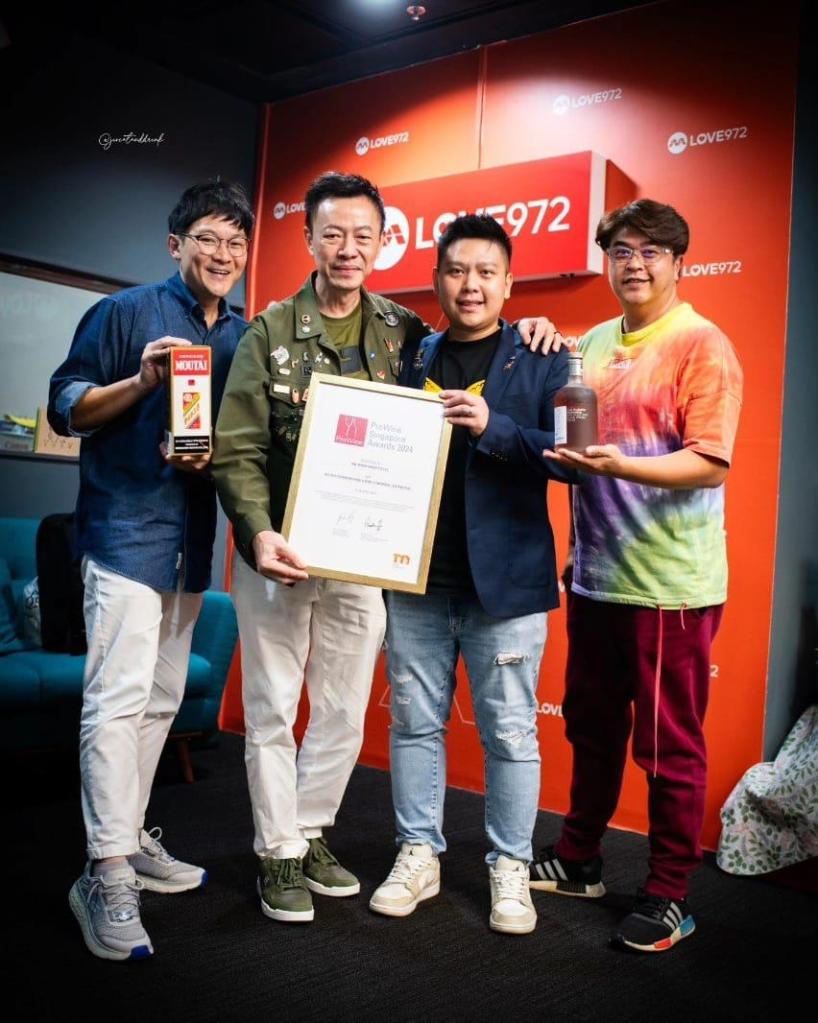
What do you think sets your company apart and allows you to be recognised as one of the top companies for the most outstanding wine and spirits importers by ProWein?
I think I was just lucky. Among the winners, there were many big-time players and veterans, so I was surprised and shocked to receive the award. After speaking with some of the judges, I learned that they recognised my contributions to the industry over the years and acknowledged the uniqueness of our business model.
Firstly, our portfolio is diverse. We don’t stick to one category; we offer wines from places like Australia and Israel, and French brandies such as Armagnac, Calvados, and Cognac, as well as sake. What makes our portfolio unique is its focus on mid-tier to premium products, avoiding the oversaturated entry-level segment.
Secondly, we operate a unique hybrid model allowing us to supply a comprehensive range of over 5,000 products covering categories of wine, spirits and sake. We supply to multiple channels including B2B and B2C. We also operate an online platform via http://www.onecellar.com
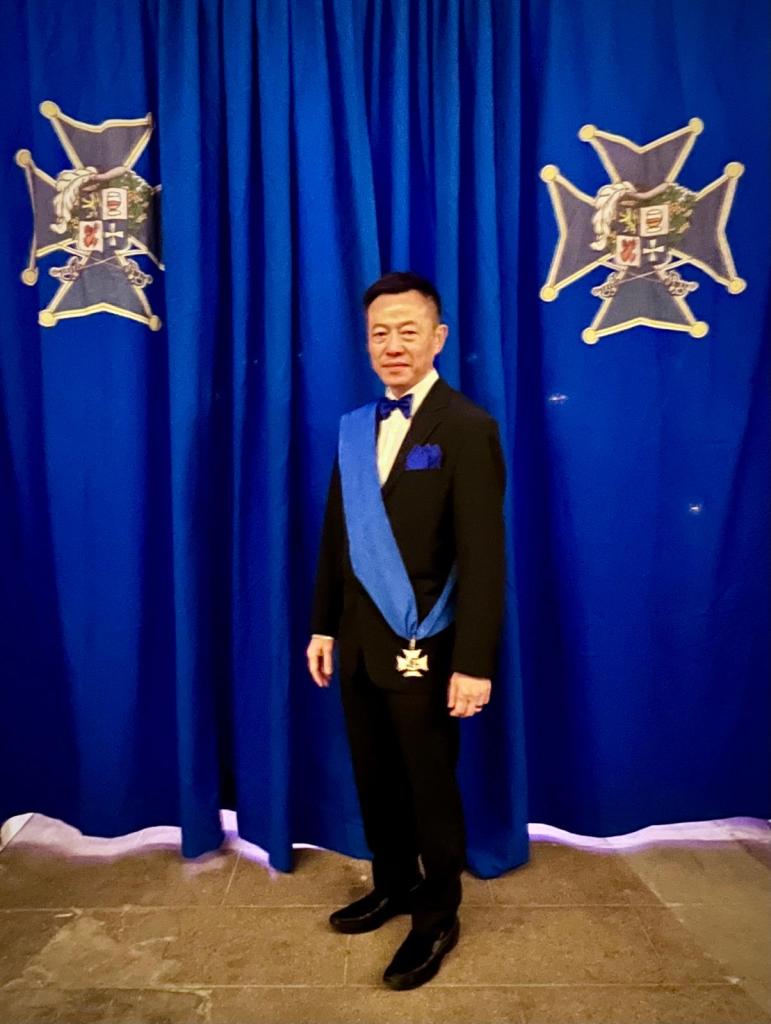
Being honoured as a Musketeer by the French government is a significant achievement. Can you share more about what this recognition means to you and your company?
I’ve been dealing with Armagnac for several years now, even before starting my company. I fell in love with it and have actively advocated for it ever since. My efforts were recognised when I was awarded the title of Musketeer.
This recognition makes me immensely proud and elevates our positioning as one of the most comprehensive stockists of Armagnac, along with other French brandies like Calvados and Cognac.
How do you manage balancing multiple roles as an educator, judge, and entrepreneur in the wine and spirits industry?
Passion is the only thing that drives me. Many people would complain about my schedule—teaching on weekends, managing work on weekdays, judging, and being a student constantly taking courses. But with a lifelong learner mindset, I don’t feel tired. Passion and a love for what I do keep me going year after year.
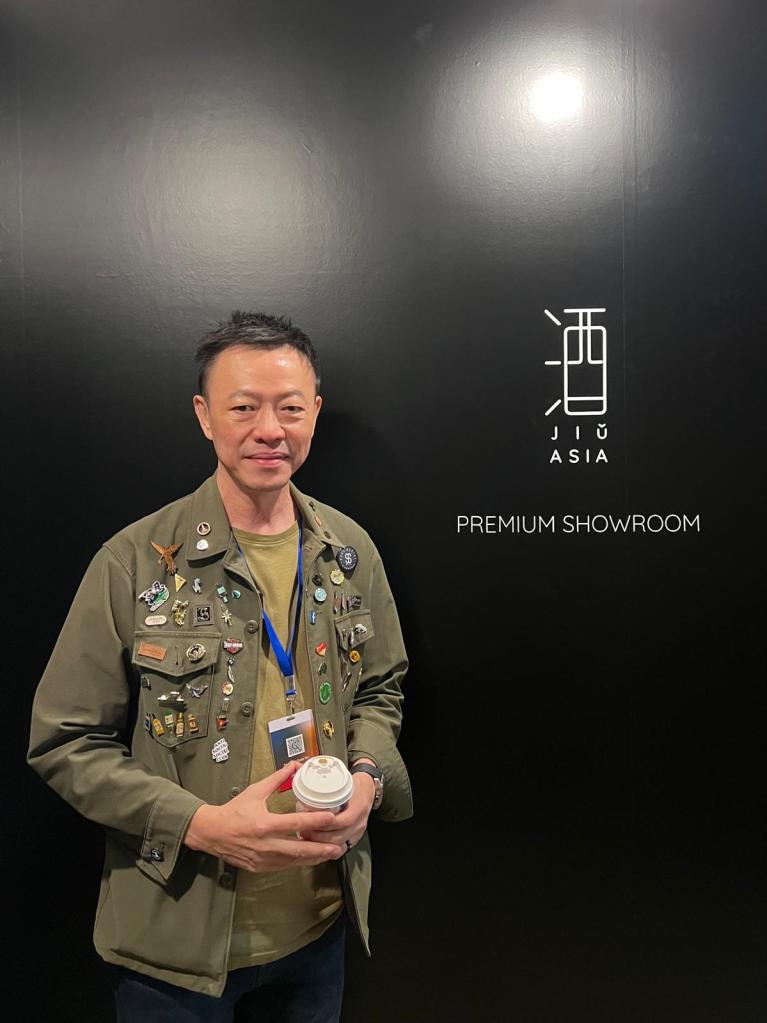
I advocate for drinking better through education. I conduct classes funded by government skills initiatives. It’s a slow but rewarding process.
What consumption behaviour have you observed in the industry, and how is One Minor Group adapting to stay competitive?
Some consumers lack knowledge about what they’re drinking. For example, in my classes, even those who have been drinking wine for 30 years often realise they know very little after learning about the various wine regions and styles.
I advocate for drinking better through education. I conduct classes funded by government skills initiatives. It’s a slow but rewarding process. We also engage customers through immersive trips and activities, connecting them with the stories behind the wineries and distilleries. This helps them better understand and appreciate the products they consume.
To stay competitive, we focus on our portfolio and activities. We constantly seek products that are either trending or have the potential to trend. We don’t aim to be the cheapest in the market. Instead, we focus on proper storage, handling, and understanding customer preferences.
Our goal is to build trust and confidence by making the right recommendations based on our customers’ palates. Although we conduct price surveys to ensure we remain competitive, our value proposition is centered on quality and personalised service, not just price.
With your experience in food and beverage pairing, how do you educate your clients on selecting the right wines or spirits for their needs?
There are a couple of ways I can do this. Number one, we conduct pairing dinners a couple of times a month with different restaurant customers. The pairing exercise itself requires an in-depth understanding of how flavours work with one another. There are quite a number of chefs who are fairly well trained in both food and alcohol. Then we attract customers who are always interested in having their taste buds tantalised while enjoying a good evening out with their partners or family.
The second way is through education. I also teach wine pairing over the weekends in class, which is usually very well attended. The third way I suggest is just to experiment because there’s no right or wrong. Although there are theories to follow, theories remain theories until you put them to the test. This experimentation can lead to discovering interesting combinations.
For example, a lot of people enjoy oysters with a wedge of lemon or Tabasco sauce. This is commonly done worldwide. Instead, I would suggest doing away with the lemon and chili sauce. Instead, use a Chablis or Chardonnay and pour a small portion into the oyster. Don’t use the top-range Grand Cru but rather a Premier Cru, which will not overpower the creamy texture of the oyster. It will elevate the acidity and creaminess, combining and synergising much better than lemon ever could.
What’s your vision for the future of One Minor Group, and are there any exciting projects or expansions in the pipeline?
We have been expanding our portfolio ever since we started. This year, we scored an exclusive distributorship to a major portfolio of fine wines from Chile by Concha y Toro, the oldest and largest wine conglomerate in Chile.
They own more than 20 wineries worldwide, mostly in Chile, South America, and the U.S., focusing on top-end Chilean wines. We are representing their fine wine segment, which includes a range of more than 10 brands. This is a significant milestone.
Where do you see yourself, and what’s your vision for Singapore in the next five years?
I think I will continue playing mixed roles—running my own business, contributing to the industry as a judge, and educating. I really enjoy teaching because it keeps me on my toes, ensuring I stay up to date with all kinds of information.
To improve my teaching, I recently completed an intensive course called the Advanced Certificate in Learning and Performance (ACLP). I earned the certification last month, which was an achievement for 2024. From 2025 onwards, I look forward to leveraging this newfound knowledge to deliver my classes even more professionally. I hope to share my knowledge with more people so they can drink better. With that, the ecosystem will naturally improve.
For Singapore, I hope consumers become more open-minded about trying all sorts of products. Don’t drink labels. We have many label drinkers who focus on brands rather than the actual product, often overpaying in the process. There is tremendous value in lesser-known brands.
These aren’t of inferior quality; they are often small-scale producers who don’t have the resources to invest heavily in advertising and marketing. These are the products we are most interested in—those offering great price-to-quality ratios. For Singapore, I hope people continue exploring and discovering.
Connect with Patrick: OneCellar, Instagram and LinkedIn.