Meet Rayson, an influential interviewer and podcaster whose voice has resonated with listeners across the globe. With a podcast ranked in the top 2% worldwide, Rayson has carved out a niche in delivering insightful, engaging, and thought-provoking conversations.
Whether diving into topics that range from personal development to entrepreneurship, his podcast has become a go-to resource for many people. Through his captivating storytelling and in-depth interviews, he continues to inspire, inform, and entertain a rapidly growing audience. Here is Rayson’s story.
What inspired you to start The Raygacy Show and how did you decide on the concept of interviewing celebrities and entrepreneurs?
Let me share a quick story. Way back, I started off as a nurse. I was working in a Japanese clinic. One day, while I was doing my thing, I made some mistakes, and somehow, within three months at this Japanese clinic in Singapore, I was fired. I was pissed and disappointed with myself. I was a 24-year-old boy—that happened 10 years ago.
After that, I felt clueless about what I wanted to do next. After being fired, it shook me. I decided to work on myself. I told myself that within the next five years, I would be way better than I was. I started reading and watching YouTube videos.
One day, I came across this amazing individual who was very new back then—10 years ago. His name is Lewis Howes. He had a podcast called The School of Greatness. I saw him interview Tony Robbins on a private jet. When I watched the video, I thought, “If someone who was a nobody back then could do something like this, why not me?” I began with Facebook Live, interviewing entrepreneurs and authors I had connections with, starting with local ones.
I started with Andrew Chow, a successful entrepreneur and author. I went to his book launch and thought, why not use this opportunity to interview him about his book and life? I asked him, and he immediately said yes. That’s how it all began. I’m very interested in entrepreneurship, so I went all in on those topics.
Which has been the most memorable or impactful interview you have done so far and why does it stand out to you?
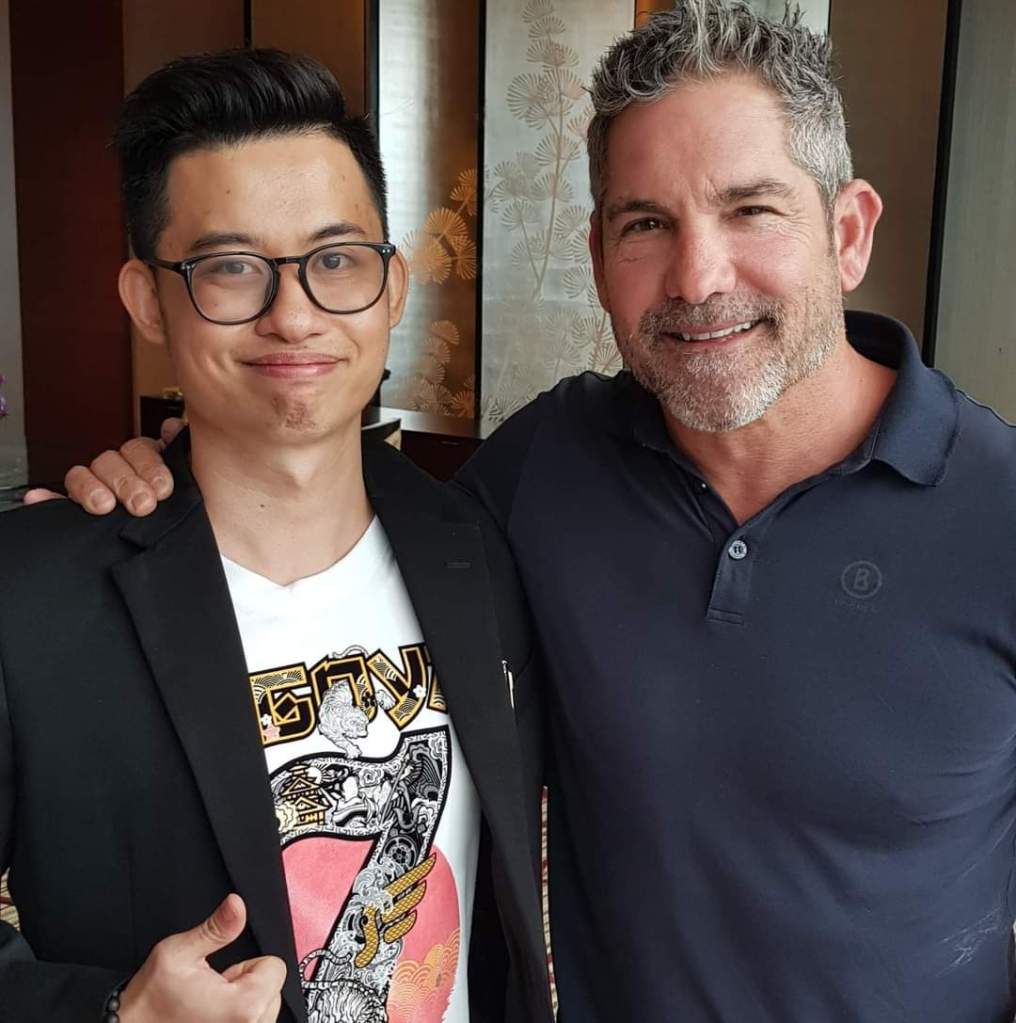
Easily, the most memorable interview was with Grant Cardone. I got to meet him, his family, and his team in his MBS suite. It was an amazing experience because we not only had a great time with Grant, or as we call him, Uncle G, but I also got to interact with his family and team.
I saw how they joked and interacted with each other. His team members even remembered me, which was incredible. I’m really grateful for that once-in-a-lifetime opportunity.
How do you prepare for interviews with high-profile guests to ensure engaging and insightful conversations?
I usually do profile research. I Google them, check their social media, look at their websites, and listen to their podcasts if they have any. For media personalities like William Hung, I check their Facebook profiles and websites to read their bios.
Sometimes, I don’t have to do much because their agencies or assistants send me their profiles. Occasionally, the guests themselves send me their profiles or even the questions they want me to ask. Initially, I relied on what was sent to me, but now I prepare my own questions.
What are some key lessons or insights you have gained from your guests that have influenced your personal or professional life?
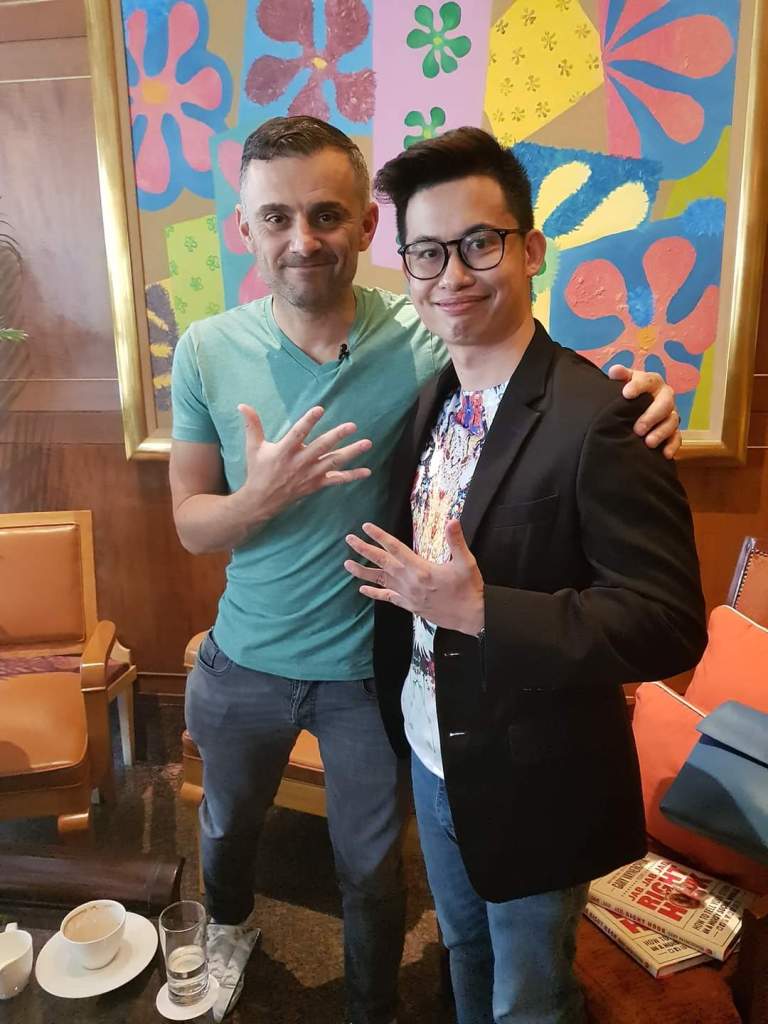
The first key lesson is patience. Gary Vee told me something I’ll never forget. He said, “It takes 21 years to succeed.” I asked why, and he explained that if you only focus on short-term goals, and once you achieve them, you’ll feel lost. After partying, travelling the world, or buying everything you want, you’ll end up feeling empty. His point was to think long-term. If it takes three years to reach a goal, think about what comes next in five, seven, or nine years.
Another lesson came from Grant Cardone. He taught me to look not only at individuals but also at the companies they build. During our interview, we were sitting in his suite, facing HSBC. He told me that while people are great, it’s important to study companies—their core values and how they expand globally.
One more impactful lesson came from Grant’s mentee. He told me, “Best known is better than best.” For example, chicken rice in Changi might be well known, but the best one might be in Katong, which is less famous. Being well known draws more people, even if your product or service isn’t the absolute best. This lesson stuck with me and is something I’ve applied in my own life and career.
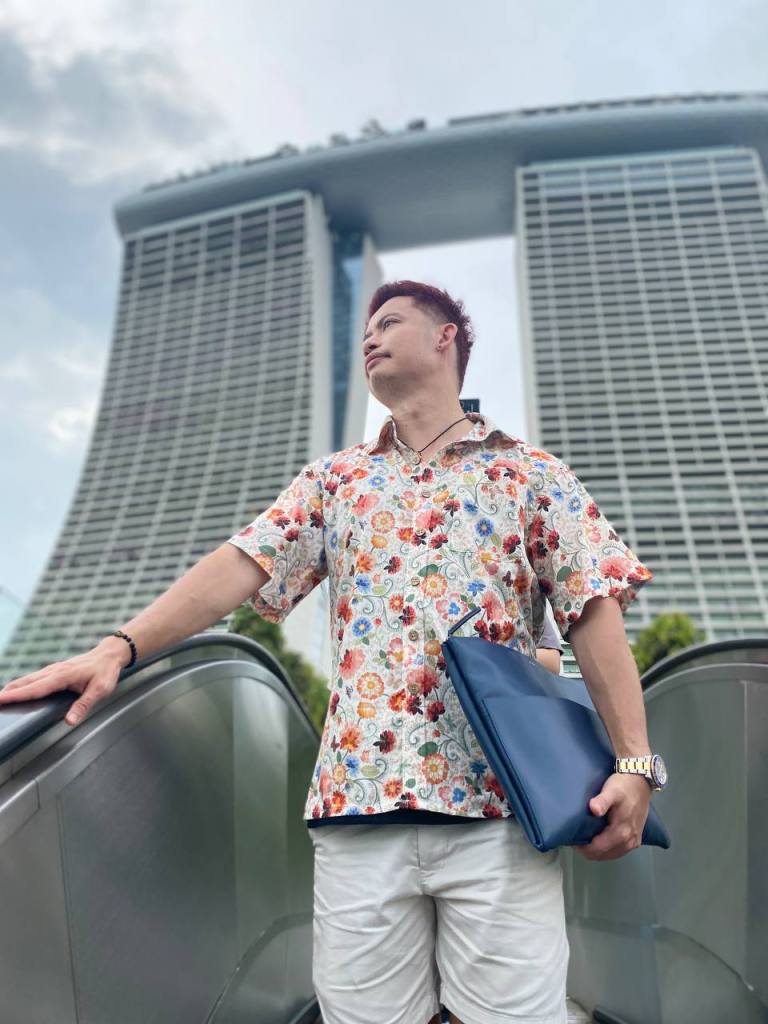
After being fired, it shook me. I decided to work on myself. I told myself that within the next five years, I would be way better than I was. I started reading and watching YouTube videos.
What challenges did you face in growing your podcast and how do you overcome them to reach the audience that you have today?
The challenges of growing my podcast included niche identification, audience retention (keeping listeners engaged and loyal, which demands consistent, high-quality content), and consistency (publishing episodes regularly can be time-intensive) due to the nature of my work and schedule.
On top of these, offering fresh, unique perspectives to attract listeners was tough as well, considering what other podcasts in the same niche as mine were offering. The guests they had were similar to mine. For instance, people like Gary Vee, Grant Cardone, etc., often shared similar content on other podcasts. However, I am thankful they shared some amazing content on mine that happened to be different and went viral after that.
There was also the challenge of discoverability. Podcasts lack robust search tools, making discovery harder. Back then, I was new, and building a strong online presence required significant effort. But I’m grateful that, with these celebrity entrepreneurs at a later stage, it became better and slightly easier for my content to go viral.
Initially, reaching out to high-profile guests was tough because of their schedules. It was also competitive, as other major US business podcasts wanted them as well. Thankfully, I had connections who knew them, or I got lucky when some replied to my DMs or private messages via social media. I’m grateful that after Gary Vee came, things got easier. PR companies, their PAs, or the entrepreneurs themselves started messaging or emailing me.
How do you select your guests and what qualities do you look for in someone you want to feature on the show?
Well, first and foremost, they need to have depth. They need to have quality in terms of the knowledge and wisdom they possess. It has to be something authentic and real rather than faked or copied from others.
When you talk to them, you can tell how genuine they are, and you know they aren’t just laughing their way through. Of course, I avoid guests with serious controversies. For those with less severe issues, if they’ve been in the news for something but have been cleared or are under investigation, I might hold off until things are settled.
For instance, we are aiming to get people like Conor McGregor onto the podcast. My friend is helping to get him on board, so we’ll see how it goes. Hopefully, everything works out, and we’ll go for it.
What are your long-term goals for The Raygacy Show and how do you envision the podcast evolving in the future?
I envision it to be similar to or better than Diary of a CEO. That podcast, by Steven Bartlett, is one I hugely respect. I admire how he grew a business, a media company, and a marketing company from the ground up. I read his book, watch his content, and really admire his tenacity and entrepreneurship.
That’s what I aspire to do—pursue podcasting full-time. I’d love for my podcast to be one of the top shows in the world. One of the websites for podcasters, Listen Notes, states that I’m currently in the top 1-2% globally, but I believe I can do even better. I’m always improving and aiming to better myself and the podcast.
Where do you see yourself and what’s your vision for Singapore in the next five years?
In five years, I see myself becoming more prominent in the local podcasting scene and possibly being invited to speak in the US. I also do influencer marketing, so I envision bigger brands approaching me for collaborations and promotions. I believe I can provide value to these brands through my podcast. In the next five years, I expect all of this to grow and improve steadily.
In the next five years, I believe podcasting will continue to grow. A lot of people are starting to see its popularity, although in Singapore, there are still very few entrepreneurship and business podcasts. I believe podcasting will catch on more in Singapore and across Asia.
Aside from podcasting, I see social media expanding. I’ve seen how much growth creators like Simon Boy and Mayiduo have experienced by building their channels from the ground up. Social media will play a significant role in marketing services, including F&B, car repair or even funeral planning.
Connect with Rayson: The Raygacy Show, LinkedIn and Instagram