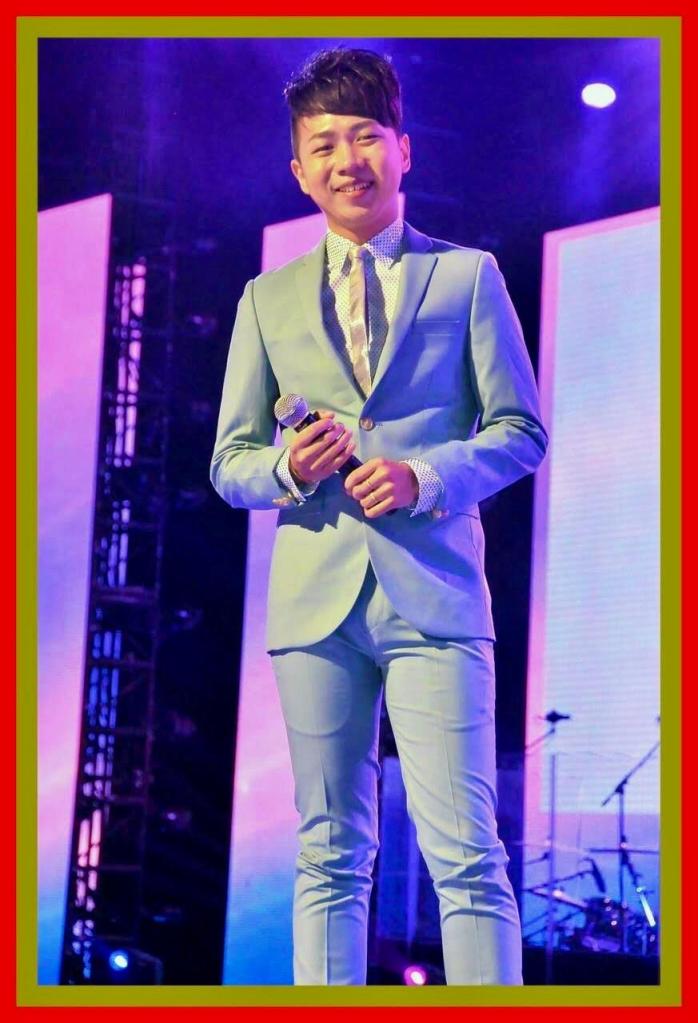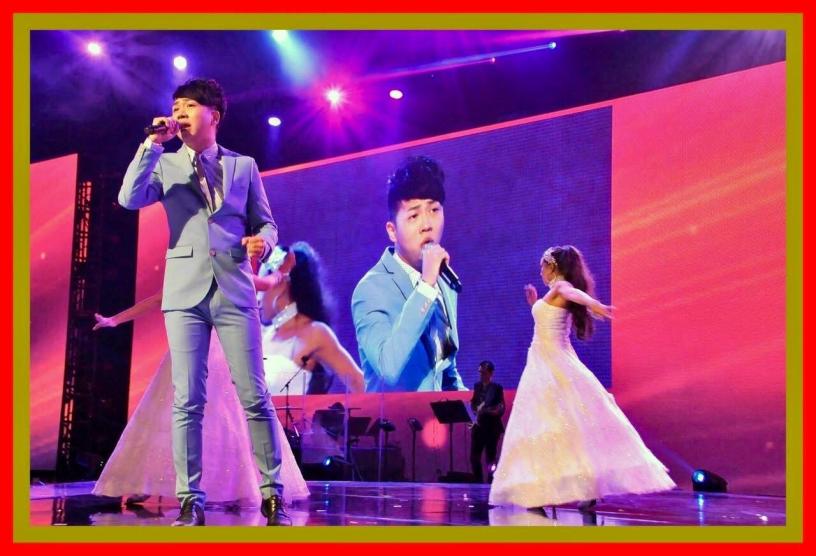
Meet Tian Yue, a talented singer and event host known for his captivating performances of evergreen songs in both Mandarin and Chinese dialects. With a passion for music that transcends language, Tian Yue brings timeless classics to life at pubs, events, and special occasions, creating an unforgettable atmosphere.
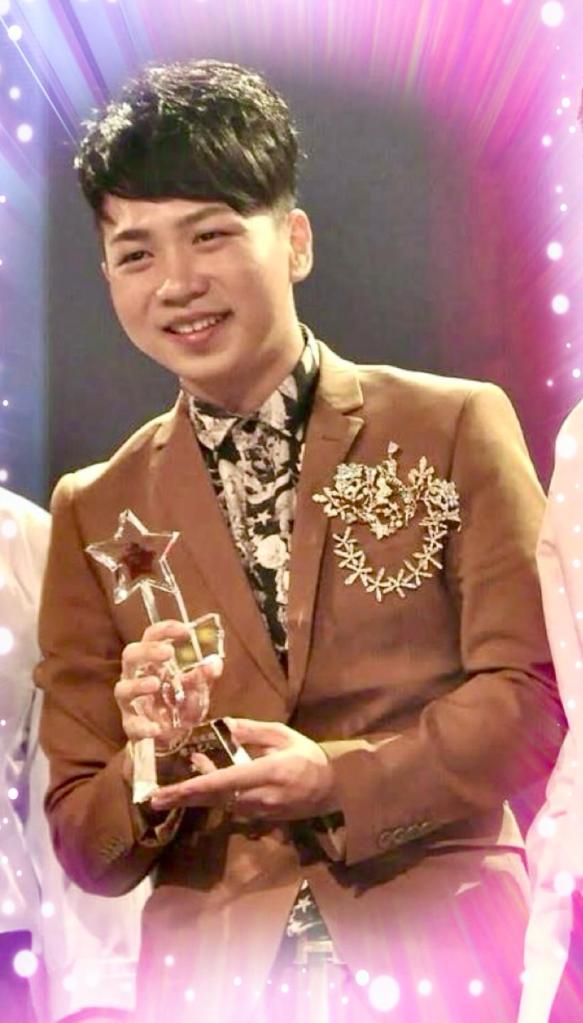
His versatility as both a singer and host has made him a sought-after entertainer, able to connect with diverse audiences and elevate any gathering with his engaging presence and powerful voice. He has also won numerous awards including the Best Male Singer at the Getai Star Awards 2018 hosted by Shin Min Daily News and Lianhe Wanbao. Here’s his story on how he started on this journey.
How did you first get into singing at pubs and events, and what drew you into performing in Chinese dialects and Mandarin?
It all started with passion. I began by performing for free at community centres, and slowly, this passion grew. My forte is singing evergreen songs. However, I realised the platforms for such songs are quite niche, so I decided to explore other opportunities.
That’s how I started singing English songs at various venues. I reached out to the right people and performed for free to build my name. Eventually, through word of mouth, people began looking for me.
What is the most memorable event or performance you’ve had so far, and why is it so special to you?
Many years ago, when I first started, there was an award ceremony called the Stomp Awards, organised by The Straits Times. I received the Best Male Artist award. It was meaningful because, as someone who had only been in the industry for two or three years, I managed to win such a prestigious award.
Let me add in one more memorable event. Later, there was another award ceremony organised by Singapore Press Holdings and Lianhe Wanbao. This ceremony involved a voting system where fans cut out votes from newspapers. I was fortunate to be among the top-ranked artists and performed at Suntec Convention during the event. It was a grand platform, and being recognised in such a way was a proud and special moment for me.
How do you adapt your performance style depending on the type of audience or event you’re singing for?
I stay attentive and sharp to the audience’s responses. Each audience is unique, and sometimes, you encounter crowds that remain unresponsive no matter what you do. Even in such cases, the show must go on. I start by engaging a small group of people and gradually warming up the space to bring more into the atmosphere. Creating an interactive and celebratory vibe is key.
More often than not, they would ‘gang up’ and bully the newbie. I had to endure this for about three years before I became skilled enough to match or even surpass them.
What are some challenges you face as a live performer, and how do you overcome them?
At the start, it’s very easy to be sidelined by those who have been in the industry for a while. More often than not, they would ‘gang up’ and bully the newbie. I had to endure this for about three years before I became skilled enough to match or even surpass them.
Challenges can be unpredictable. For instance, sometimes rowdy audience members might try to disrupt the show. Others might have endless song requests. Over the years, with experience, I’ve learned to handle these situations intuitively and spontaneously. Understanding different crowd dynamics helps me navigate these challenges effectively.
How do you choose your setlist for events, and how important is it to mix different languages and dialects during performances?
Choosing the setlist depends on the crowd’s age group and ethnic background. I observe the audience to determine what songs or tempos they would enjoy. Staying updated with trends is crucial, as it allows me to mix and match songs that suit the event and keep the audience engaged.
As an event host, how do you engage and connect with the audience to create an enjoyable experience?
The key is to find common ground—a language, topic, or element that resonates with the audience. Once you establish this connection, they are more willing to participate and interact, making the event more enjoyable.
What are your future goals in the entertainment industry, and are there any genres you’d like to explore?
My forte lies in evergreen songs and dialect numbers, and I see this as a niche industry catering to a specific crowd, especially older audiences. However, the demand for such performances is gradually diminishing. My goal is to continue performing for as long as possible while also preparing for retirement.
Where do you see yourself, and what’s your vision for Singapore in the next five years?
In five years, I see myself as a retiree. I currently have a full-time job, and singing and hosting are side hustles fueled by passion. With a potential recession looming, I foresee tighter budgets and reduced engagements. Additionally, as my specialty audience ages, the demand for my performances may decrease.
My vision for Singapore is that it continues to value cultural arts while finding ways to support niche performers in a shrinking market.
Connect with Tian Yue: Facebook