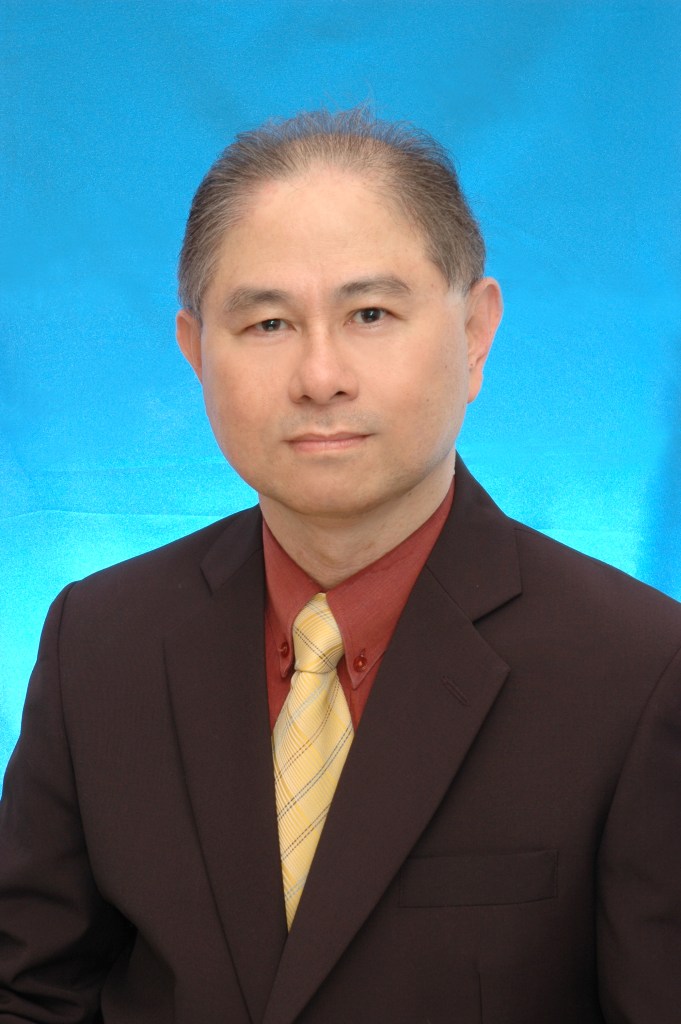
Meet Gordon, a retired business consultant with decades of experience in guiding companies toward global success. Having worked in several companies in senior positions, Gordon now shares invaluable insights on navigating international markets and scaling operations beyond local borders.
With a deep understanding of global business landscapes and a passion for helping Singaporean enterprises thrive on a worldwide stage, he offers practical strategies and expert advice to entrepreneurs looking to make their mark internationally. Read Gordon’s story on how he transforms businesses both locally and globally.
Can you tell us about how you started your journey in financial planning and what led you to expand your services to help SMEs grow internationally?
From the beginning, many individuals bought insurance simply out of obligation to relatives or friends. When I conducted reviews, I realised that these purchases often did not align with their immediate needs; they were just being kind and generous. While small amounts were manageable, my goal was to identify and address clients’ actual problems and priorities. For five years, I focused on this “people’s part,” and many of my clients expressed their gratitude.
However, I always harboured a passion to help local SMEs. I believe it’s very important to assist in growing these companies. So after five years, I achieved my aim, and started shifting my focus to working with companies. My former insurance company only dealt with individuals, but now, with AIA, I can work with companies, opening up new opportunities where I feel I can make a greater impact.
What are some of the biggest challenges that SMEs face when trying to expand outside Singapore?
Right now, I wouldn’t say SMEs should aim to expand globally immediately. Let’s focus on neighbouring countries, which I’m more familiar with. Many SME owners either have no clear idea of what they want to achieve or face significant fear about expanding. This fear stems from concerns over cultural differences, governmental regulations, risks, and other unknown factors.
These uncertainties create hesitation. Some business owners envision growth as a “Big Bang,” but that’s not the right approach. Growth should happen step by step, even in a safe environment like Singapore. Rushing and expecting rapid results often leads to failure. Overcoming fear is crucial.
What key financial challenges do you recommend SMEs address when looking to scale and enter new markets?
First and foremost, business owners must deeply understand their products and what they are doing. They must have a comprehensive financial business plan that includes manpower, financial stability, and technology support. Progress should happen stage by stage.
The first step is stabilising finances. If you don’t stabilise profitability, nothing else can be done. A business cannot sustain itself while running at a loss. Loans may be an option, but they require strong collateral, and banks will want to understand your ability to service the loan over time. It’s not enough to say, “I have a big business; believe in me.” That’s unrealistic.
Another critical point is focusing on a “sunrise” product rather than a “sunset” one. Continuing practices that worked in the past may not fit the current market. Profitability and adaptability must come first before scaling.
How do you assess whether an SME is ready to expand internationally?
Just a bit of background information: I’ve taken two companies to be listed in two different countries. Now, I cannot work alone—I work with a team of professionals who are experts in their own rights. I just champion the whole thing. I’m the CFO in both operations. Having said that, in order to grow any company, first, you must build a culture.
Besides financial stability, you have to build a company culture with a team of people that you can trust. Know their strengths and weaknesses so that you can complement their weaknesses. Grow their strengths, and then build teams around them on a stage-by-stage basis. If companies can retain their staff, then they are ready to expand.
What are the most common financial mistakes that businesses make when expanding internationally, and how do they avoid them?
I think one of the key factors is a lack of a financial plan. Some young business owners, I would say, when they see that the profit is good, they don’t plan to keep reserves. The key to everything is to plan for six months. If you have no business at all, your reserves should last you six months to cover your expenditure and keep your company afloat.
A lot of SMEs closed down due to Covid-19, but if they had a plan and savings, like individuals do, to last for six months, I think there is a chance they could have turned things around. There are always good times and bad times in life; it’s part of life. The question is: can you last through that period of time? So, that is the main challenge I see—lack of planning. Like the saying goes, “If you fail to plan, you plan to fail,” and I believe in that.

Some business owners envision growth as a “Big Bang,” but that’s not the right approach. Growth should happen step by step, even in a safe environment like Singapore. Rushing and expecting rapid results often leads to failure.
Can you share one success story of an SME that you have helped to expand successfully into a new market?
When I was in China, I helped a local Event Management Company grew from strength-to-strength, through a gradual growth process. This company was incorporated in Beijing as a WOFE (Wholly Owned Foreign Entreprise). This was a new business segment in China then.
Starting as a small, fully locally staffed organisation, the company grew by deploying a western management system and processes, with people management as the key driver. The local Chinese staff were very open-minded and willing to learn and embrace western management operations. They picked up skills and good management practices at ground level very diligently.
From Beijing, the operations expanded to Shanghai, Guangzhou, and then Hong Kong, winning significant business while competing against local companies, with our modern system of operation and a team of highly motivated and energetic local staff driving the business.
How do you tailor your financial planning services to meet the unique needs of different types of businesses?
It depends on the business system. I always believe in prioritising company survival first. Whatever you do, make sure, as I said, to build up reserves for long-term benefit—at least six months’ worth of operating expenses. In the event there’s not a single dollar of revenue coming in, you can keep your business running. Then, grow your people.
Get the right people and look after them. That’s why I am currently focused on employee benefits through AIA insurance. They must have a plan. If they don’t have a plan to be the best in the market in their particular segment, then really, they’re just another company—it makes no difference whether they survive or not.
The other part is employee motivation. High morale is important; employees must feel a sense of belonging. How do you generate that? That is very critical. I think it is part and parcel of building a company—not just giving them good compensation and expecting them to perform miracles. After a while, if employees don’t feel like part of a family, they won’t stay. Like they always say, “If the boss cares for me, I will care for the boss and the company.” That is a reciprocal response of every individual. It’s the same in any country—you take care of me, and I will take care of you.
What role do you think government grants play in helping businesses expand in Singapore?
I think there must be a check-and-balance system for grants. They need to go through the paperwork, get it filled out, and get approved, but there must also be a monitoring process to ensure they do what they say they will do.
Giving away grants is very easy, but making sure the companies follow through and show progressive reports and results is another matter. Otherwise, we end up with companies receiving grants and eventually failing, which is sad. I think before we award any grant, we must make sure the company is really unique in its own way and is doing something that adds value to society.
What trends do you believe will shape international business growth in the next few years?
It’s a very difficult question to answer because we have so many different kinds of SME owners. But for those who have a plan, are determined to work hard, and are prepared to sort out their organisation step by step, I think they have a good growth opportunity. However, those who want to grow just for the sake of growing will find it very tough because today’s business environment is quite different from the past.
A lot of people advocate for outsourcing. I personally don’t believe in it. There are many disadvantages to outsourcing, but I won’t say it’s wrong. I’ll give a simple example. I think we all know of one local small business owner who is very open-minded and hired professionals to do the job. It was a typical local company, but today, his supermarket is so big because he had the right people to advise him. The company spent money wisely, knowing it will yield good returns. They even paid their employees seven to eight months’ bonus during Covid. Can you imagine how motivated their staff are? So I think developing a company culture is very important.
Where do you see yourself, and what’s your vision for Singapore in the next five years?
I’m 73, and I’m still quite active. I can’t say too much because life is as such, right? I enjoy my life. I do what I can, and I will continue learning. Right now, I’m embracing modern technology, using LinkedIn, WhatsApp, and other tools to communicate and stay connected. I’ve travelled around the world a few times and rekindled my experiences. I’m happy with where I am. Live and let’s live.
For Singapore, I think we have a lot of catching up to do, especially in terms of technological advancement. For example, look at China—they are already moving ahead with robotic technology. All the manual work is done by robots, and even the buses are driverless. We need to catch up because once the technology is deployed here, many people in Singapore are not trained to manage robotics technology. Don’t let robots manage us. We should be the masters. Yet, I have not seen many training institutes or initiatives focused on educating our people about robotics technology and the future. This is my concern.
Connect with Gordon: LinkedIn.