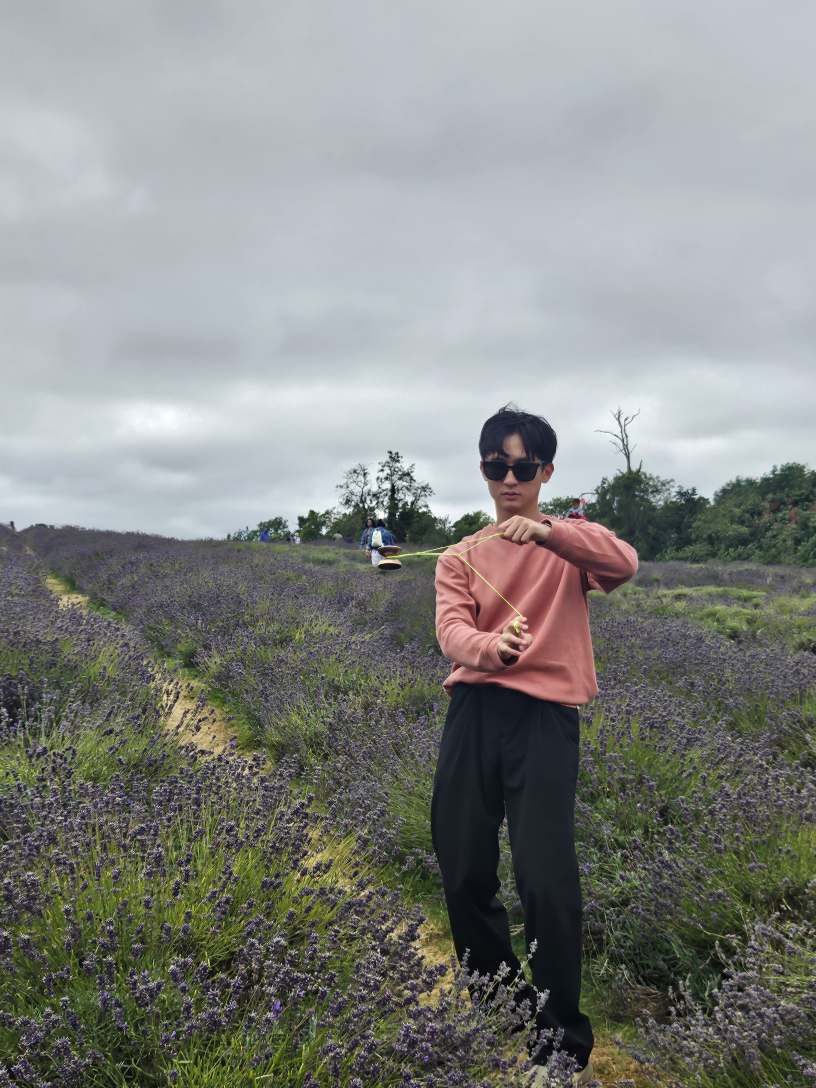
Meet Marcus, a World yo-yo Champion who has transformed his passion for the sport into a thriving business. With years of dedication and mastery in the world of yo-yoing, Marcus has become a leading figure in the community.
Today, he channels his expertise and love for the craft into running a successful yo-yo business, where he offers high-quality products, training, and inspiration to enthusiasts around the world. His journey from champion performer to entrepreneur is a testament to the power of pursuing one’s passion and turning it into a sustainable venture. Read to learn what inspired him on this journey.
Can you share what inspired you to become a World yo-yo Champion and what the journey was like?
I became a World yo-yo Champion at the age of 18, and it wasn’t a very easy journey. I guess that’s what makes it exciting and meaningful, right? I started yo-yoing at the age of 10. Like most kids, I grew up watching Kids Central. MediaCorp’s Kids Central was a TV channel that showcased various kids’ sports and cultures on weekends, with shows like Pokémon, Digimon, Beyblade, Paul Parker, and Super Yo-Yo.
Super Yo-Yo fascinated me the most because it was the most realistic. The characters didn’t have any special powers—they only relied on their skills and training to be the best. It’s very relatable and real. The show portrayed the main character’s struggle toward becoming a world champion.
As a kid, I found that very fascinating. Unlike other shows, like Pokémon, where Pikachu always wins against Team Rocket, this one made the character relatable. It inspired me to want to become a world champion as well.
The process took eight years. It sounds easier than it was, but when I started as a kid, I was distracted by a lot of things, like computer games such as MapleStory. For the first two or three years, I didn’t improve much. But after the fourth year, I started to focus more, and that’s when I made significant progress. I realised that becoming a world champion was actually possible, as opposed to it just being a distant dream when I first started.
What inspired you to turn your passion for yo-yos into a business?
I never actually thought of turning it into a business. Yo-yoing was always my passion, and I kept going at it because I simply wanted to be a world champion, not to make money. My main motivation was to be the best.
Every time I failed, I kept trying until, by chance, I eventually became the world champion. This was due to many factors: the time and effort I put in, the support of my parents and close friends, and their belief in me. After I became the world champion, I didn’t immediately start a business. Instead, I received offers from companies to sponsor me, and I started working with them.
That gave me the opportunity to design yo-yos and learn more about yo-yo design. Before that, I knew how to compete but didn’t know how to make or produce yo-yos. After about three or four years of being a world champion, I began designing my own yo-yos and considering starting my own business.
What challenges did you face when starting and running your yo-yo business, and how did you overcome them?
To be honest, at the start, there weren’t many challenges because I had it easy. What I mean by that is I leveraged my title as a world champion. Naturally, I had many connections that helped me get my business off the ground. For example, when sourcing a factory to produce my yo-yos, the factories approached me because they knew a world champion was starting a business. That made starting the business easier, and I didn’t have to worry about the factories trying to cheat me, given my reputation.
However, one challenge I encountered was designing yo-yos. No matter how knowledgeable you are, designing them is always a process of trial and error. You can design it a certain way or make every dimension exactly how you want it, but when you produce it and try it out in real life, it always feels different from what you expected.
How do you balance your role as an entrepreneur, event organiser, and yo-yo instructor?
I’m not very good at balancing. However, I do prioritise things. First, I focus on grooming the next generation of yo-yo players because, after all, they are the ones who sustain the whole ecosystem of yo-yo lessons and product sales.
Yo-yoing is a very niche market, so if no kids join the sport, then only senior players will be left, and that won’t keep the industry alive. Teaching kids and allowing them to get hands-on with yo-yos is my top priority. Next, I focus on organising yo-yo events.
Teaching kids is one thing, but making it fun for them is what sustains their interest. Events, where kids can gather, exchange ideas, and have fun playing yo-yo, help them enjoy the sport more.
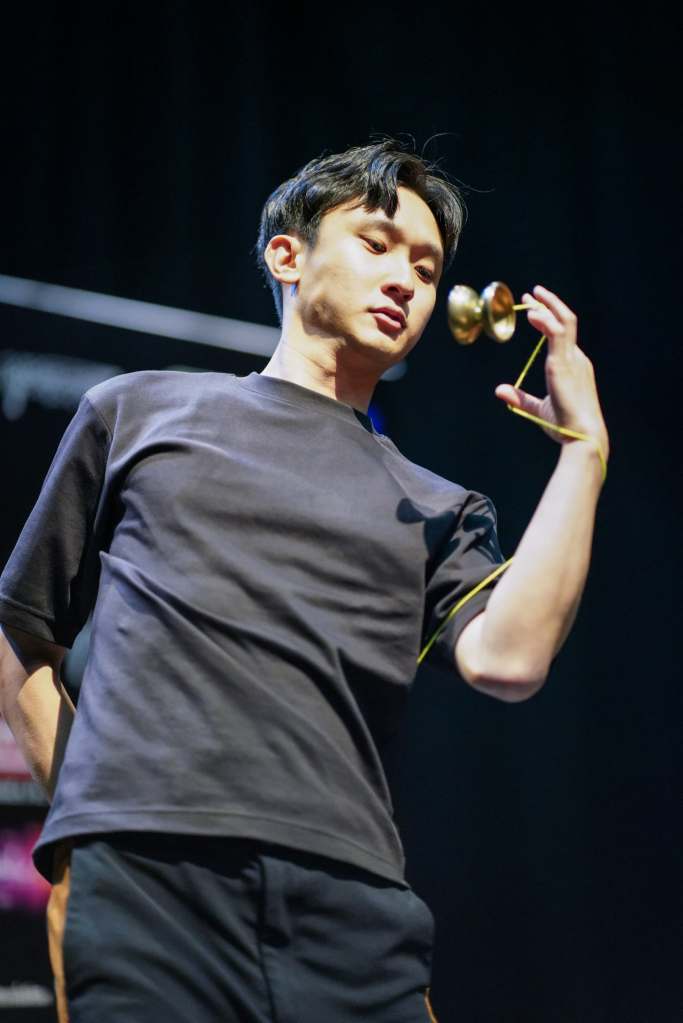
By teaching yo-yo, I help them concentrate and improve their focus. When kids and parents thank me for making their day, it truly means a lot because I understand where they’re coming from.
What is the most rewarding aspect of teaching your skills and running events?
The most rewarding aspect is when kids and parents tell me they enjoy themselves. Especially now, in this generation, many parents encourage their kids to play yo-yo because they don’t want their kids to get hooked on computers or smartphones.
It’s inevitable that kids will use phones and computers, but too much of it significantly reduces their ability to focus. By teaching yo-yo, I help them concentrate and improve their focus. When kids and parents thank me for making their day, it truly means a lot because I understand where they’re coming from. I was once a kid who played computer games too.
How do you innovate or keep yo-yoing exciting for the next generation of players?
I think it’s not only my job, but everyone’s job to keep yo-yoing exciting. Social media, in particular, has been responsible for the rise of yo-yoing. Many kids discover yo-yoing through social media. Everyone plays a part in making yo-yoing fun. Personally, I connect with them and provide motivation for them to continue playing.
Can you share more information about the Yo-Yo Association of Singapore and what is your role in this organisation?
The Yo-Yo Association of Singapore is a non-profit organisation that organises official yo-yo events, such as the Singapore Yo-Yo Championships, to determine the best yo-yo player in Singapore. The Singapore champion automatically qualifies for the semi-finals of the World Yo-Yo Contest.
My role in the association is to organise these contests every year, alongside my friend who also organises yo-yo events.
What advice would you give to aspiring entrepreneurs who want to turn their hobby into a business?
Honestly, I’d advise against it. Turning something you enjoy into a business can make you stop enjoying it as much. I’ll give you a simple analogy: When you’re in a honeymoon phase with your girlfriend, everything feels amazing. Yo-yoing and competing feels like that—passion is strong.
But when you try to monetise it, you start worrying about everything, like with any business. It’s like marrying your girlfriend and having children—it changes the dynamic. Once you start a business, you’re no longer just competing for yourself; you’re taking care of others and the community.
You have to embrace the fact that you can’t compete as much anymore. Your skills will still improve, but at a slower pace, and kids will eventually catch up. It’s a personal sacrifice, but if you’re prepared for it, then you can make it work.
What are your future goals, both as a yo-yo professional and business owner?
My main goal is to continue spreading my passion for yo-yoing and allow more people to enjoy it. This will help build the yo-yo community, and eventually, we might become as big as skateboarding.
The ultimate goal is to have yo-yoing recognised as an official sport in Singapore. We’ve been trying for the past 10 years, but we’ve yet to succeed. However, we won’t stop trying.
Where do you see yourself, and what’s your vision for Singapore in the next 5 years?
I see myself continuing to teach yo-yo and grooming the next generation of yo-yo players. I’ve already helped groom about 3 or 4 generations of players without even realising it. Even before I started teaching or running my business, I was good at explaining yo-yo to people. Competing was never my talent; I had to put in a lot of effort to become a world champion. But teaching is something I’ve naturally excelled at. For me, I just plan to continue doing what I do.
My vision for Singapore is similar to what I’ve mentioned before: to grow the yo-yo community and hopefully have yo-yoing recognised as a sport.
Marcus may be reached at ThrowRevolution, Instagram and TikTok.
