
Meet Colin Goh, a former civil servant who took a bold leap into the world of entrepreneurship, transforming his career and life in the process. Now a thriving entrepreneur, Colin not only runs a successful video creation business but also dedicates his time to coaching aspiring entrepreneurs, sharing his insights and experiences to guide them toward success.
Passionate about giving back, he actively supports charitable causes, proving that success is not just about personal achievements but also about making a positive impact on others. His story will remind us entrepreneurship is not about the destination but about the journey.
What inspired you to leave your career as a civil servant and pursue entrepreneurship in digital and video marketing?
So it’s a very logical and practical answer. When I was in my mid-30s, I started wondering what I would do after retirement. As a civil servant, the mandatory retirement age is 50, so I needed to plan quickly. I saw three options.
First, is to get another civilian job and work until 62, which didn’t appeal to me. Next would be to become self-employed, like becoming a private-hire driver, which also didn’t seem viable. Lastly, would be to do something vastly different and out of my comfort zone: entrepreneurship. My wife and I discussed it, and we decided to leave our civil service jobs together to pursue entrepreneurship.
It wasn’t about inspiration initially—it was about finding the best fit for the next chapter of our lives. Additionally, we wanted to create financial growth, which wasn’t achievable with the first two options. Entrepreneurship gave us the potential to earn significantly more.
How did you navigate the transition from a stable job to the uncertainties of entrepreneurship?
Coming from a background where I was trained to think rationally and avoid rash decisions, I prepared for this transition for 30 months, or 2.5 years. During this time, I took entrepreneurship courses and consulted with both successful and failed entrepreneurs. Learning from their experiences helped me avoid common mistakes.
Towards the end of these 30 months, my wife and I had already started working on small digital marketing projects. As I was still a civil servant, I couldn’t officially declare my involvement, so my wife led the projects. When I realised we were earning good money even with limited hours at night and on weekends, I felt confident enough to resign and transition fully into entrepreneurship at age 40.
Don’t wake up one day, quit your job, and hope for the best. Entrepreneurship is incredibly challenging and requires preparation.
What drew you to the world of digital media and video creation, and how did you get started in this field?
I’m a practical person. Owning a brick-and-mortar retail business was never appealing due to high costs and barriers to entry. Digital marketing, on the other hand, required lower capital and offered greater accessibility. Around 2014-2016, digital marketing, especially social media marketing, was on the rise. Many of our early clients came from the education sector, which aligned with my wife’s passion for educating our children.
As for video creation, it was driven by supply and demand. Initially, in 2014, videos were expensive and less in demand. By 2016-2017, demand increased significantly, prompting us to venture into video production.
Were there any pivotal moments that solidified your decision to switch careers?
Honestly, three months into entrepreneurship, I felt it was one of the best decisions I had made. There was control over time. Previously, as a civil servant, I worked an 8-to-6 job and had little time for myself or my family.
Entrepreneurship gave me flexibility. I also saw an increase in income. Within the first three months, I earned more than I had in an entire year in my previous job. This was partly due to our preparation and the networks we built during the transition. These factors reaffirmed that switching careers was the right move, and I have never looked back.
What challenges did you face in the early stages of building your business, and how did you overcome them?
Financial challenges are common for any entrepreneur. For us, the specific challenge was keeping up with evolving market demands in digital marketing and video production. For example, in 2016-2017, clients focused on practical videos. By 2018, storytelling videos became popular. In 2020, during COVID, demand shifted yet again. Post-COVID, in 2021, short-form videos became dominant.
The cycle of change has become shorter—every six months, we need to adapt to new trends and client demands. Staying agile and anticipating market needs has been crucial to overcoming these challenges.
How do you approach creating videos that resonate with audiences and meet your clients’ goals?
There are two objectives: 1. Resonating with the audience. 2. Meeting the client’s business goals, like monetisation. These objectives often conflict because videos that resonate don’t always generate revenue. To address this, we create a series of videos, starting with storytelling videos to engage the audience, followed by educational videos, and finally, sales videos. This structured approach helps us achieve both objectives effectively.
What role do storytelling and creativity play in your video-making process?
Storytelling is critical for making videos watchable and engaging. To hold the audience’s attention for one to two minutes, we craft a compelling story arc. This includes maintaining interest from the start to the end of the video. Videos must also strike a balance between being entertaining and educational.
Platforms like TikTok, Instagram, and YouTube thrive on these two types of content, and we incorporate these elements into our clients’ videos.
How has your experience as a civil servant influenced your approach to entrepreneurship?
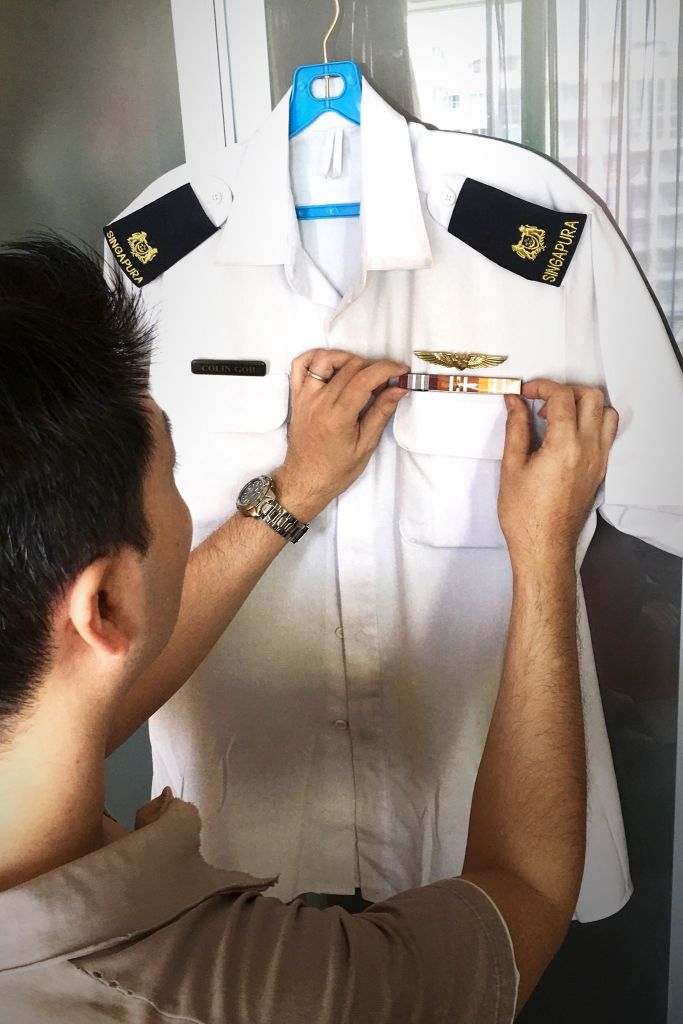
Although my technical skills from the Air Force aren’t transferable, the soft skills I gained have been invaluable: Leadership is very important. Leading employees and clients is a crucial part of running a business. Next, we talk about teamwork. Collaboration is essential, whether it’s with employees, partners, or clients. Lastly, it would be discipline.
Entrepreneurship throws many challenges your way. Staying disciplined and focused on daily tasks is key to overcoming obstacles and achieving goals.
Can you share a memorable project or milestone that highlighted your growth as an entrepreneur?
In 2018, I took my family to Siem Reap, Cambodia, where we met a tuk-tuk driver who was trying to educate children in his village. Inspired by his story, we donated money to build a school and created a video documenting his journey from a tuk-tuk driver to a teacher.
This project was meaningful not just for the impact it had on the community but also for the lessons it taught my children. It was a milestone that underscored the importance of using our entrepreneurial success to make a difference.

What advice would you give to others considering a major career shift to follow their passion?
Don’t wake up one day, quit your job, and hope for the best. Entrepreneurship is incredibly challenging and requires preparation. Attend entrepreneurship courses, even short ones, to gain foundational knowledge.
Networking is also crucial. Learn from both successful and failed entrepreneurs. Their experiences can guide you. Lastly, have a plan. Have a clear roadmap before making the leap.
How do you see the future of digital media evolving, and how are you positioning your business to adapt?
The future is both bleak and exciting. First challenge would be AI. Tools now allow videos to be created from text, reducing the need for human filmmakers. Next we have smartphones. Clients can create videos on their own, decreasing demand for professional services.
To adapt, we focus on meeting specific client needs and ensuring their videos are consumable by their target audience. While the industry faces disruption, we view these challenges as opportunities to innovate.
What is your ultimate goal as an entrepreneur, and how do you hope your work will impact others?
My goal is practical: to create a meaningful and abundant life for the people around me, including my family and employees. We look at financial security. A successful business must generate income to support its stakeholders.
Next is to leave a legacy. I don’t need the whole world to know that Colin has done this. I just need them to remember that at some part of their lives, I have played a part to give them a good amount of experience. I want them to continue doing my work when I’m not doing it anymore so that this can benefit more people along the way.
Connect with Colin: LearnsMarketing.com
Also read: Meet Alison, Violin Coach And EduTech Entrepreneur
